
Talent Bookings
Prestige Productions has worked with some of the best artists in the music industry. Allow us to handle your next event production.
For more information regarding booking an artist call 551-313-0163
or email jgr@prestigeproductionsusa.com or Fill out the Form below.
- Athlete
- DJs
- Bachata
- Dance
- Disco
- Freestyle
- Hip Hop
- Merenge
- Reggae
- Reggaeton
- Salsa
- Violinist
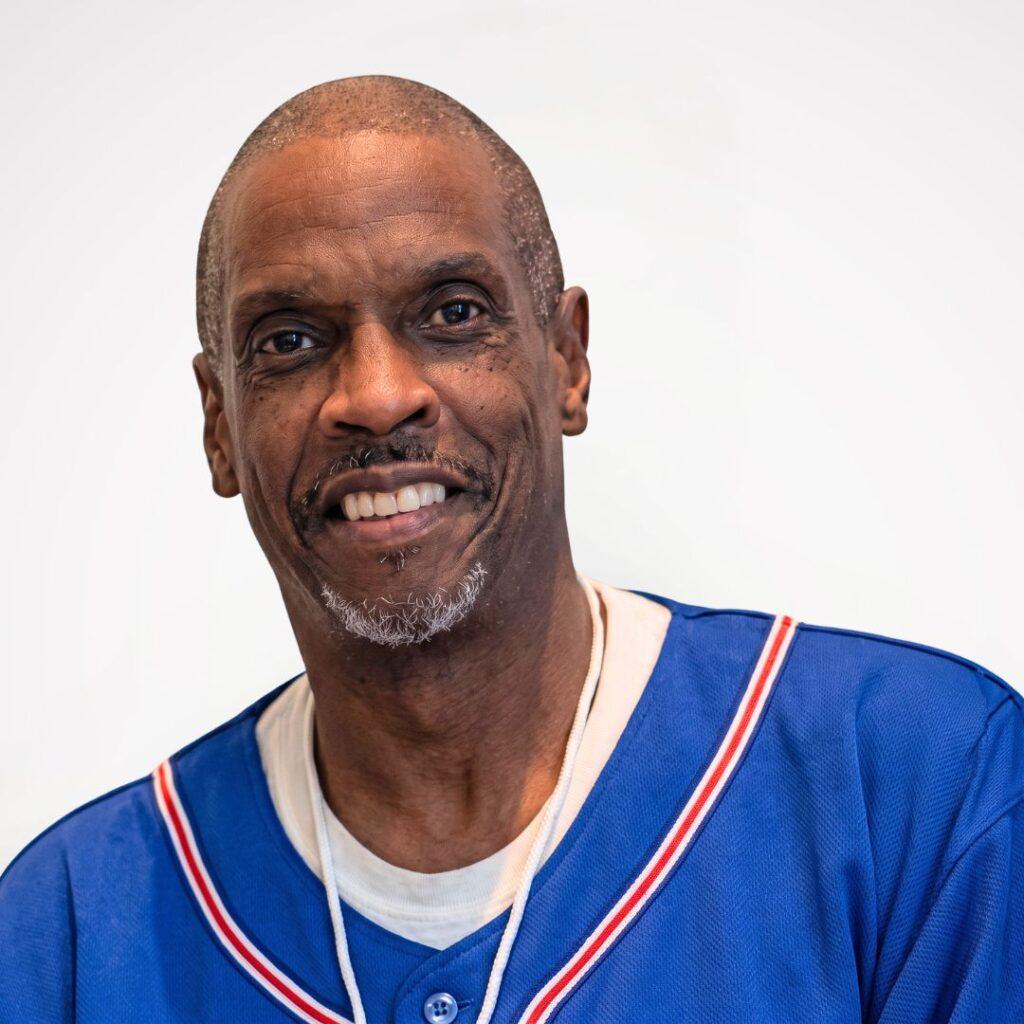
Dwight 'Doc' Gooden
There is not doubt that Dwight "Doc" Gooden should be considered one of baseball’s biggest stars of the 1980s. There is also no doubt that he should be thought of as one of the game’s largest cautionary figures of the same period.
Dwight Gooden was the youngest of three children born to Dan and Ella Gooden on November 16, 1964, in Tampa, Florida, where Dan—who had only a third-grade education—worked for the Cargill Corporation and coached youth baseball while Ella, his second wife, worked in a nursing home and a pool hall. According to Gooden, baseball was one of his father’s great passions and it permeated the relationship between the father and the son from the beginning. Often this meant that Dan and Dwight would spend countless hours talking, practicing, or watching the game in order to make Dwight the best player possible. This treatment paid off quickly as the lanky Gooden aged. At 7, he learned the overhand curveball that would help him dominate hitters during his big-league career. At 9, he was an integral part of a 10-14-year-old Little League team that qualified for the Little League World Series (though Dwight couldn’t play in the tournament because he was too young), and also playing softball against adults who played semipro baseball for his father.1
Despite this early success and what Gooden considered a fairly idyllic, nurturing, childhood, his home life was also full of turmoil that would foreshadow many of the pitcher’s struggles later in life. Most importantly, Gooden was exposed to a heavy dose of substance abuse (his father was a heavy drinker), adultery, and violence. This included being present the day his sister was shot five times by her husband while 5-year-old Dwight played with his cousin Derrick.2
Still, Gooden continued to excel on the baseball diamond, eventually becoming a standout pitcher for Hillsborough High School in Tampa. He was scouted by teams including the New York Mets, Cincinnati Reds, and the Chicago Cubs. He also received college scholarship offers. The Mets took Gooden with the fifth overall pick in the 1982 amateur draft and he signed a deal worth $40,000 with an $85,000 signing bonus.3
Like most prospects, Gooden started out in the low minors, in this case, the 17-year-old Gooden was assigned to Kingsport in the Rookie-level Appalachian League and after just two starts (18 strikeouts in 13 innings) was promoted to Little Falls in the Class-A New York-Penn League. Overall, he went 5-5 with a 2.75 ERA in 11 starts, and was promoted to Lynchburg in the high Class-A Carolina League for 1983.
At Lynchburg it looked as if Gooden’s progress may have stalled. Like most young pitchers, he tried to survive purely on his fastball and was beaten around by the more advanced hitters. At that point, Gooden said, it took the tutoring of his pitching coach, John Cumberland, to get him back on track by teaching him to set up hitters by throwing inside. From that point on, Gooden was dominant on the mound. Off the field a number of incidents foreshadowed the problems he would face later in his career. At Lynchburg Gooden became a frequent drinker. At the time, he thought this was a normal part of being a young professional. However, when he missed a bus after partying with teammate Darryl Strawberry, the Mets brass became concerned for the young righty.4
Despite these problems, the future was bright for Gooden. At Lynchburg he finished the season 19-4 and struck out 300 hitters in 191innings. This earned him a promotion to Triple-A Tidewater in time for the International League playoffs. Gooden got two starts for manager Davey Johnson’s team. The first was a loss to Columbus in the semifinals. Gooden then started the decisive game of the playoff finals and defeated the Richmond Braves 6-1 to win the International League title.5 Gooden finished his season by pitching a complete-game win against Denver as Tidewater won the Triple-A World Series, a round-robin event.6
The biggest event that propelled Gooden’s career coming into 1984 occurred off the field. The 1983 Mets (68-94) went through two managers (George Bamberger and Frank Howard) and finished sixth in the NL East. General manager Frank Cashen embarked on a rebuilding. At the heart of the rebuild was the core of the 1983 Tidewater team, including manager Davey Johnson and playoff call-up Dwight Gooden.
As for whether he felt he belonged at the big-league level, Gooden was up and down on the idea. He made his major-league debut on April 7 at the Houston Astrodome, and won, surrendering one run in five innings and striking out five. After the game Gooden told his father he felt he would “win a lot of games” at the big-league level if he continued to pitch the way he did that day.7 However, Gooden was a little unsure of his impending success after a rough outing in his next start, against the Chicago Cubs at Wrigley Field. He pitched 3⅓ innings and gave up six runs. This time he told his father that he “may not be ready yet” for life in the big leagues. Luckily for the Mets, Gooden was wrong.
During the rest of 1984, the young right-hander dominated the National League on his way to a 17-9 record with a 2.60 ERA. His weapon of choice? The strikeout. During his rookie season Gooden averaged 11.4 strikeouts per nine innings and struck out a total of 276. Fans and the media took to calling him “Doctor K” or “Doc.” His performance earned him Rookie of the Year honors in the National League.
In 1985 Gooden was even better. He continued to rack up wins and strikeouts. He would go 18-1 during one stretch of the season and ended the season 24-4, mowing down hitters with an overpowering fastball and a devastating curveball. He struck out 268 hitters in 276⅔ innings and finished with an ERA of 1.53. All of this would earn him the 1985 National League Cy Young Award. His dominance on the field helped the Mets begin to look like contenders, and made Gooden a proven commodity for advertisers. By the start of the 1986 season, Gooden was a spokesman for Polaroid, Kellogg’s, Spalding, and Toys R Us. Nike put up his likeness in Times Square. It seemed as if the sky was the limit for Gooden. But this was about the time his off-the-field demons began to overshadow his baseball prowess.
By Gooden’s admission, during the 1985 season he began to sample the nightlife of major-league baseball with the help of some of his Mets teammates. For Gooden, who was 20 at the time, this meant a continuation of his heavy drinking. Then, while in Tampa after the season, Gooden experimented with cocaine. Cocaine use in the majors was no huge shock at this time. It permeated clubhouses throughout the league much as performance-enhancing drugs would a generation later. Gooden became a seasoned user during the 1986 season. All the while he continued to dominate on the field. In 1986 he went 17-6, struck out 200 hitters and led the Mets to the National league pennant all while falling deeper into drug addiction amid the party atmosphere that was the 1986 Mets.8
In the World Series, Gooden was less successful. In his first start, in Game Two, Gooden earned the loss as he struggled and was chased after giving up six runs (five earned) in five innings to the Boston Red Sox. Then, in Game Five, Gooden lost again. This time, he gave up four runs (three earned) in four innings. Still, four nights later the Mets won the World Series and Gooden celebrated by doing cocaine until the sun came up. He missed the Mets victory parade.
Gooden’s drug use continued in the offseason. He began to have troubles at home despite fathering his first child, Dwight Gooden Jr. Rumors of his drug use spread like wildfire throughout baseball and his hometown of Tampa. All of this led Gooden to suggest that he would submit to a drug test to quell the talk. Gooden was arrested later in the offseason in Tampa. Then, early in 1987 spring training, he failed a test for cocaine. At the Mets’ urging, he entered the Smithers Alcoholism and Rehabilitation Center in New York City.
This first stint in rehab cost Gooden the first two months of the 1987 season and did not cure him of his addiction. Off the field, by his own admission, he continued to drink throughout the 1987 season though he did stop using cocaine for a prolonged period. On the field, Gooden was still the dominant pitcher the Mets had counted on since 1984. In 25 starts he went 15-7 with an ERA of 3.21 while striking out 148.
Gooden was also on form through the end of the 1980s, though there were signs that all the innings and possibly the hard living were catching up with him. In 1988, with a still strong Mets squad, Gooden stayed clean and was 18-9 with a 3.19 ERA as the Mets won the National League East. He was still off cocaine in 1989, though he missed two months with a shoulder injury made only 17 starts (9-4).
As the 1990s opened, there was a changing of the guard with the Mets. Gone, or about to be so, were many of the key players from the playoff runs of 1986-1989. Gooden however, was in great shape and pitched like it. In 1990 he went 19-7 while striking out 223 in 232 innings. His numbers fell off the next three seasons though he remained somewhat sober. That changed in 1994.
That season, Gooden became a historical footnote when he gave up three home runs to journeyman outfielder Tuffy Rhodes on Opening Day at Wrigley Field. He kicked a bat rack and broke his toe. The injury required a rehab assignment and during that time Gooden began using cocaine again. He was suspended by Major League Baseball and entered the rehabilitation program at the Betty Ford Center. Once again, this program did not help Gooden and two days after his release from the center he was using cocaine again.
Gooden’s second relapse coincided with the beginning of the players strike in 1994. While at home he continued to use cocaine in his room while his wife and children were in the house. Gooden failed another drug test, and was suspended for all of the 1995 season. Gooden entered Narcotics Anonymous with the help of Ray Negron, a consultant with the Yankees, and he began working toward a comeback.
Gooden’s comeback began in the winter of 1996. In February he signed a free-agent contract with the Yankees. During his early starts that season he was largely ineffective and it seemed that the comeback would be a short one. Still, Gooden rallied to pitch a no-hitter against the Seattle Mariners at Yankee Stadium on May 14. He finished 11-7 with the Yankees and was firmly back in the majors, albeit as a journeyman.
Gooden was back with the Yankees in 1997 and even made a start in the American League Division Series. (He got a no-decision as Cleveland defeated the Yankees, 3-2.) After the season he signed a freeagent contract with the Indians and went 11-10 over two seasons. Gooden pitched for Houston, Tampa Bay, and the Yankees in 2000. After a tough spring in 2001 he chose to retire before the Yankees released him. “It has been a joyous ride,” Gooden said.9
Gooden worked as a front-office assistant for the New York Yankees but began using cocaine again. This led to his third attempt at rehab, in 2004. Drugs were not Gooden’s only problem during this period. In March 2005 he was arrested for hitting his girlfriend, at which point he left the Yankees. In August Gooden led police on a high-speed chase in Tampa that quickly became a citywide manhunt after he was pulled over during a routine traffic stop. He missed a court-ordered domestic abuse prevention class which triggered a 10-day incarceration in the Hillsborough County Jail. Gooden was sentenced to three years’ probation and community service stemming from the traffic stop and fugitive arrest. As part of this, he underwent rehab for a fourth time in 2006.
After three months of sobriety, Gooden relapsed in the spring of 2006. This relapse was a parole violation and Gooden was sentenced to a year and a day at a maximum-security state prison in Lake Butler, Florida.
After the prison stint Gooden tried once again to establish a firm footing in his personal life. This included reconciling with the Mets during the final year of play at Shea Stadium in 2008 and the first year of play at Citi Field in 2009. He was inducted into the Mets Hall of Fame in 2010 along with Davey Johnson and Darryl Strawberry.
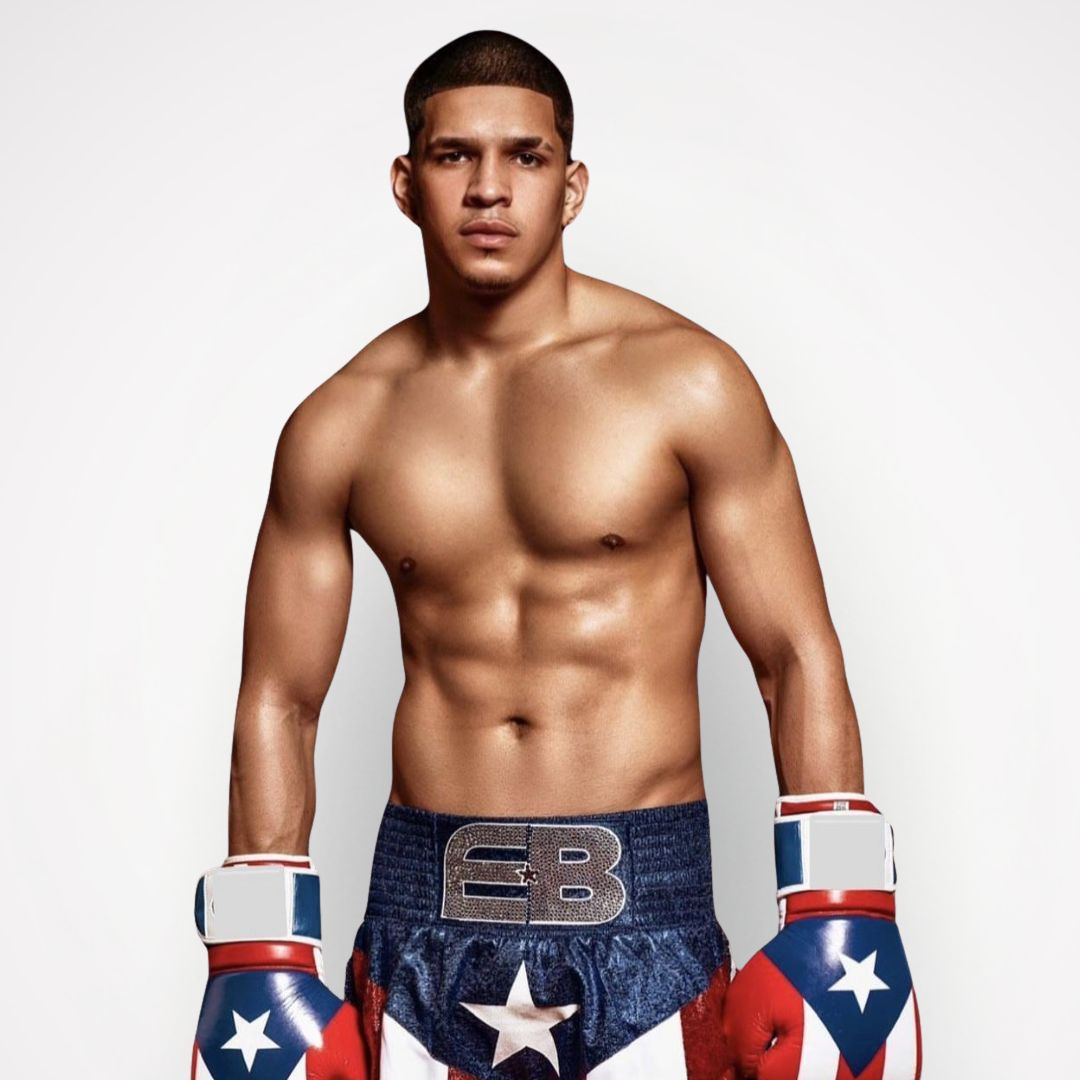
Edgar Berlanga
Edgar Berlanga has built his reputation by doing what few fighters can—ending fights before the final bell. Known for his explosive power, relentless pressure, and fearless mentality, the Brooklyn native has become one of boxing’s most recognizable super middleweights.
As a proud Puerto Rican, Edgar combines natural talent with relentless dedication, carrying the pride of his heritage into his training and fights. Every training camp, every fight, and every challenge has fueled his pursuit of becoming a world champion. His confidence inside the ring is matched by the discipline and preparation behind the scenes, making him one of the sport’s most exciting competitors.

John Starks
At a very young age, John Starks knew he wanted to become a professional basketball player. With the support of his family, specifically his mother Irene and grandmother Callie, and through sheer determination his goal was achieved on October 1, 1990 when he signed with the New York Knicks. In 2003, he retired as one of the most beloved players in New York Knicks history. To this day, he remains a fan favorite in the New York area.
Although John only played one year of high school basketball and attended four different colleges in four years, he developed a basketball talent that did not go unnoticed by the NBA. Starks signed his first contract with the Golden State Warriors as a free agent on September 29, 1988. Although he received little playing time and was cut from the Warriors after one season, he never gave up on his dream of playing again in the NBA. John was determined to continue his journey towards a solid NBA career. Starks played for the CBA and WBL, becoming an All-Star in both leagues, which caught the eye of a New York Knicks scout. After an impressive tryout, Starks signed his second, and most important, NBA contract with the New York Knicks.
During his outstanding eight (8) year career with the New York Knicks, Starks was named to the NBA All-Defensive Second Team in 1992-1993, became an NBA All-Star in 1994, and was awarded the League’s Sixth Man of the Year in 1996-1997. He averaged 14.1 points per game, while leading the Knicks in three-point goals (982). In addition, he remains 11th in total points (8,489), 8th in assists (2,394), and 7th in steals (711) in Knicks history. In the final minute of New York’s win over Chicago in Game 2 of the 1993 Eastern Conference Finals, Starks performed one of the most memorable “highlight” plays in team history – “The Dunk”. After his tenure with the Knicks, Starks played again for the Golden State Warriors (1998 through 2000), shortly for the Chicago Bulls (1999-2000) and then for the Utah Jazz (2000 -2002). In each NBA city, John was dedicated to the team’s community outreach efforts and volunteered his time and support when needed.
In 2003, Starks was named Alumni and Fan Development Advisor for the New York Knicks. Starks is involved in the day-to-day efforts focused on expanding the Knicks Alumni Relations, Community Relations and Fan Development Programs.
John and his family reside in Stamford, CT. When not rooting for the Knicks, John enjoys playing golf, working on his Foundation’s agendas, and developing his businesses including John Starks Kia, John Starks Ford, and Stamford Cigar Lounge. His autobiography, John Starks: My Life was released in the fall of 2004.

Walt Clyde Frazier
Walter "Clyde" Frazier Jr. (born March 29, 1945) is an American former professional basketball player of the National Basketball Association (NBA). As their floor general and top perimeter defender, he led the New York Knicks to the franchise's first two championships (1970 and 1973), and was inducted into the Naismith Memorial Basketball Hall of Fame in 1987. In 1996, Frazier was honored as one of the league's greatest players of all time by being named to the NBA 50th Anniversary Team. In 2021, he was again honored by being named to the NBA 75th Anniversary Team.

Big Paul
DJ Big Paul for JustMad Productions is a professional disc jockey for over (24) years. Born in Manhattan, but raised in the Bronx. Working all types of venues such as major night clubs, bar lounges, mall and indoor/outdoor concerts events all around the Tri-State area. As well as doing special guest appearances in the city of Miami & Chicago. DJ Big Paul also has an expertise in private events such as weddings, sweet 16’s, birthdays and corporate events. DJ Big Paul is also very versatile in all genres of music and can play for all sorts of crowds and audiences. Fluent in both English and Spanish. DJ Big Paul can also keep you motivated with his very good microphone skills. No event is too BIG or too SMALL for DJ Big Paul.
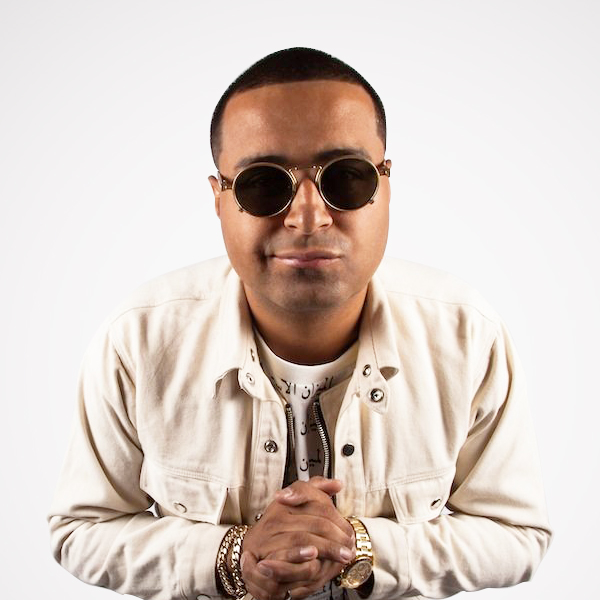
Camilo
WARNING! Before he was a Heavy Hitter, a Party Rocker or the International Club King, DJ Camilo was just a Colombian kid from Queens named Juan Camilo Sanchez. Introduced to the art of turntables at age 12, Camilo debuted his first mixtape in the late 90’s called “CAMILO Vol. 1”. Encouraged by the positive response “CAMILO Vol. 1” received, Camilo began releasing monthly mixtapes and quickly made a name for himself in the NYC club scene. In 2001, he caught the eye of DJ Enuff, who worked at the most famous hip-hop radio station in America: New York’s Hot 97. Along with the late DJ Threat, Enuff invited Camilo to join their new DJ crew called The Heavy Hitters.
After earning himself a spot on Hot 97’s highly competitive roster, Camilo began hosting his own Saturday night show called “Take It to the Streets”. Camilo’s inaugural show was so successful that it led to him hosting an additional show on Friday nights called “The Heavy Hitter Hour.” After spotting growing interest in the Latin music market, Camilo began to blend Latin urban music into the traditional American hip-hop radio market at HOT 97; Camilo was one of the first influential DJs to merge both demographics live on air. Camilo currently co-hosts Hot97's daily top programming block from 4PM to 7PM, which is the number one show in the U.S. radio market in that timeframe. He also continues to reign supreme as the International Club King; Camilo’s frequent club tours around the world have taken him to London, Paris, Dubai, Amsterdam, Saint Tropez, Belgium, Switzerland, Austria, Spain, Cannes, Germany, Japan, Finland, Italy, Sweden and more.
For two consecutive years (2017 and 2018), Camilo has been awarded National Club DJ of the Year by the Global Spin Awards. He was also named the top East Coast DJ for five consecutive years (2013, 2014, 2015, 2016 and 2017). In late 2014, Camilo cemented his status as one of the country's most in-demand DJs by signing to Roc Nation, becoming one of the first DJs to join the superstar talent roster. Camilo was also one of the original Ciroc Boyz DJs, alongside DJ Khaled, Funk Flex and fellow Heavy Hitter DJ Enuff.
In addition to his domination of the airwaves and clubs around the world, Camilo has expanded his entrepreneurial horizons to the hospitality industry by opening a Latin-fusion restaurant named Blend. The restaurant became so popular that it is now a trendy, in-demand dining chain with three locations: the original Blend and sister restaurant Blend on the Water in Long Island City, and Blend Astoria which opened in early 2017. Camilo further cemented his status as a rising hospitality entrepreneur to watch by opening an edgy pizza shop in Long Island City called sLICe in 2015.
Camilo is a happily married father of two who continues to play multiple clubs, six nights a week in both major domestic and international markets. Whether its a trendy NYC club, 60,000 fans at Hot 97’s Summer Jam or an exclusive celebrity party in Cannes, there’s nothing this Heavy Hitter can’t handle!
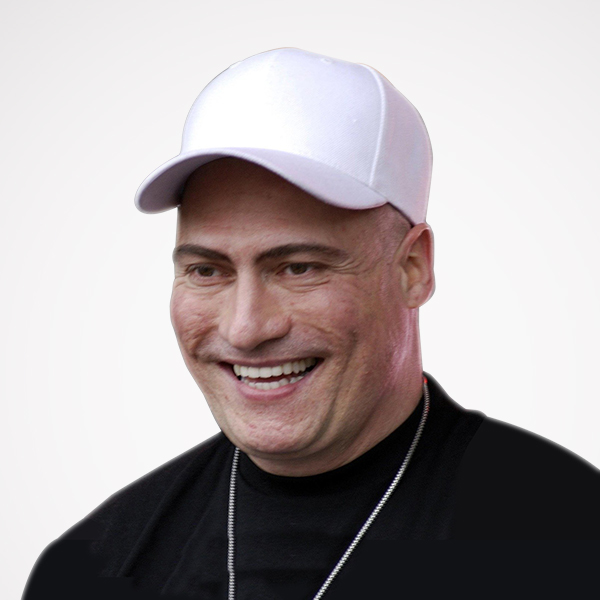
Danny Tenaglia
Danny Tenaglia (born March 7, 1961) is a New York-based DJ and Grammy nominated record producer. Explosive success for him came not behind a major label release, or a world tour, or a radio hit remix: It happened when enough people had the private Tenaglia experience for themselves.
The momentum started building in early ’70s New York, when a barely 10-year-old Danny first got the feel of vinyl in his hands. Enthralled by the music of artists like Philly Soul’s The Trammps, Motown’s Marvin Gaye, African trumpeter Hugh Masekela, and disco producer Giorgio Moroder, he started to collect records, plumbing the depths of each one, and frequently finding that he preferred the B-side to the A. It was 1979 when he discovered legendary nightclub Paradise Garage, where DJ Larry Levan’s rich, genre-less blend of music seemed to mirror his own “no boundaries” policy. It was here where Danny found the club model he would one day emulate: Levan’s bold style, the venue’s plain décor, and the party’s warmth and inclusiveness.
Danny left New York in 1985 and launched a successful DJ-ing career in Miami as a resident at Cheers nightclub. There he schooled the locals in classic New York and Chicago house, but five years later he returned home, tired of only playing other people’s music. He started to assemble an impressive roster of remixes, including Right Said Fred’s “I’m Too Sexy” (1991), Jamiroquai’s “Emergency on Planet Earth” (1993), and Madonna’s “Human Nature” (1994). But his first epic was The Daou’s “Surrender Yourself” (1993): With the kick in the bass and the underlying rhythm as the foundation, Tenaglia blanketed Vanessa Daou’s wispy vocal with grand, thick chords, a combination of classic groove and modern club-ready depth that was, at the time, entirely new. The title of his 1995 debut artist album on New York’s Tribal Records described it perfectly: Hard & Soul. But even if the cocktail was his own, Tenaglia never hesitated to declare how heavily his influences weighed in his productions – everyone from Patti LaBelle to Kraftwerk, with countless lesser-known Soul, R&B, Latin, Samba, and Disco artists in between.
A trio of label compilations – Mix This Pussy (1994) and Can Your Pussy Do The Dog? (1995) for Tribal, and Gag Me With A Tune (1996) for Maxi – were the first Tenaglia sets clued-in clubbers could take home to dissect.
In 1996, after a brief stint at New York superclub Roxy, Danny landed a Saturday night residency at white-hot Twilo, a position that upped his profile but didn’t satisfy his expanding artistry as a DJ and producer. While New York swooned for big-room diva anthems, Danny was turning his ear toward the more minimal, tech-y grooves originating in European production studios. This period produced solid remixes like Grace’s “Not Over Yet” (1996) and Janet Jackson’s “The Pleasure Principle” (1996). In 1998 he moved his residency over to NY club Tunnel.
In 1998 Danny released another full length LP titled Tourism. The album featured the track “Elements,” an instant classic. With his own warped voice providing the narration, “Elements” walked the listener through the different components of a dance track in real time, going from kick to drum loop to snare hit, letting each layer over the other until the track exploded with dark, drum-heavy energy. “Elements” was #1 on the Billboard Dance Chart for two weeks in 1998. “Music is the answer” featuring Celeda (also on the LP Tourism) was on the top 40 charts in the UK. Next to ostentatious radio anthems, its simplicity was a revelation.
The release of his first installment in the UK-based Global Underground series of DJ mixes, titled Athens (2000), lit the international fire. Athens (meant to reflect the set he played at the Greek capital’s club King Size) remains one of the darkest, strangest, sexiest sets ever released by Danny. Its tame cover photo of a gentle-looking man in a Yankee cap just didn’t seem to fit. DJ dates across Europe dispelled the mystery and started to clue people in as to what Danny’s sets were like.
Back in New York, Tenaglia was tiring of the cavernous gloom of Tunnel and longed for a weekly home that better resembled where the DJ bug first bit him – the Paradise Garage. He landed at Vinyl, a black-walled, single-environment, no-liquor club about one-quarter the size of Tunnel. He named the night “Be Yourself,” after the self-affirming, heavy-bottomed vocal track he had recently recorded with Chicago’s Celeda. And he took the name to heart: Without the pressure of bar minimums or an expectant crowd, Tenaglia spread his DJ wings. Next to new tracks he played tracks by the artists who inspired him during his youth. If he wanted to launch into a two-hour set of straight-up techno, he did. If he wanted to play old Michael Jackson records, he did. If he wanted to get on the mic and tell the crowd the name of the sound he was about to play, or who next week’s guest opening DJ would be, or just give everyone a “verbal handshake” to welcome them to the club, he did. And a city tired of drama embraced the barebones, music-centered night.
The world caught up to Tenaglia in 2000. His annual party during Miami’s Winter Music Conference outgrew its home at the cramped Groovejet and moved to just-opened superclub Space. DJ giants like Carl Cox danced on top of the speakers with the Deep Dish boys, Fatboy Slim mingled on the patio, and for a day the ego inherent to DJ culture evaporated: Tenaglia was hailed as the “DJ’s DJ.” His roof-raising revamp of Green Velvet’s “Flash” won “Best Remix” at the UK’s Muzik Awards, where he was also awarded the “Best International DJ” prize.
In the two years that followed, Tenaglia released another Global Underground installment titled London; toured the world, took the party island of Ibiza by storm, remixed Billy Nichols’ “Give Your Body Up To The Music” (a Garage anthem); got nominated for a Grammy (for his remix of Depeche Mode’s “I Feel Loved,” also nominated for Best Dance Song); returned to Twilo for two special gigs – a President’s Day marathon with Carl Cox that shattered all its attendance records, and the club’s sixth anniversary party with John Digweed, which turned out to be even more meaningful than it seemed at the time (Twilo was shut down permanently a week later); graced the cover of every major dance music magazine; and won a Dancestar Lifetime Achievement award… all while keeping the “Be Yourself” party buzzing every Friday.
In 2003, Danny came full circle with the release of Choice: A Collection Of Classics, a two-CD mixed compilation that let him pay direct tribute to many of the artists who had influenced his sound and style. It featured everyone from Blaze to Adeva to Imagination, as well as hefty liner notes explaining the significance of each track, penned by Danny himself. He also remixed another Garage classic (Yoko Ono’s “Walking On Thin Ice,” which became her first Billboard number one ever), opened another Space during Winter Music Conference (the new location down the block), and took another Dancestar award, this time ‘Best Party’ for “Be Yourself.”
“Be Yourself” took the same honor again in 2004, but this time the win was bittersweet. At the time of the ceremony, Vinyl, now called Arc, had already been sold to condo developers. Danny closed the classic club on Sunday, April 25, 2004, with an emotional set that lasted well into Monday afternoon, and culminated with his mix of Kings Of Tomorrow’s paean to unending love, “Finally.”
Since then Danny has remained prolific in the clubs and has graced the decks in all the big rooms in NYC including Avalon, Crobar, Pacha NYC, Roxy and Webster Hall. After a long studio silence, Danny re-emerged in 2008 with a single on Tommy Boy Records, “The Space Dance”. It was named in honor of his first weekly residency during the summer season of 2008 at renowned global clubbing institution Space Ibiza. The track reached #1 on the Billboard Club Charts during November 2008.
Immediately following that, Danny released his first compilation album in five years, entitled Futurism, also on Tommy Boy Records, with a nod to the modern dance floor and Danny’s outlook for tomorrow’s sounds. The compilation featured tracks from artists whom Danny had been championing for several years including Davide Squillace, The Wighnomy Brothers and Afefe Iku.
On Sat March 5, 2011, Tenaglia celebrated his 50th birthday at the Best Buy Theater in NYC. With his name lighting up the theater’s outdoor marquee and more than 2,000 people in attendance, the event served as a reunion of artists, fans, and Danny’s past musical collaborators.
For the 20th anniversary issue of DJ Mag, the editors selected Danny to mix the covermount cd. It includes some of his picks to represent the last 20 years of dance music. The CD will be released as part of the magazine’s June 2011 issue.
After over 30 years of DJing Danny still continues to tour around the world. His commitment to playing new music and incorporating it with music from his past is still a very big part of his performances. After his success he has remained humble and towards the end of his sets can often be seen on the dance floor, mingling and dancing with the same people who came to see him perform.
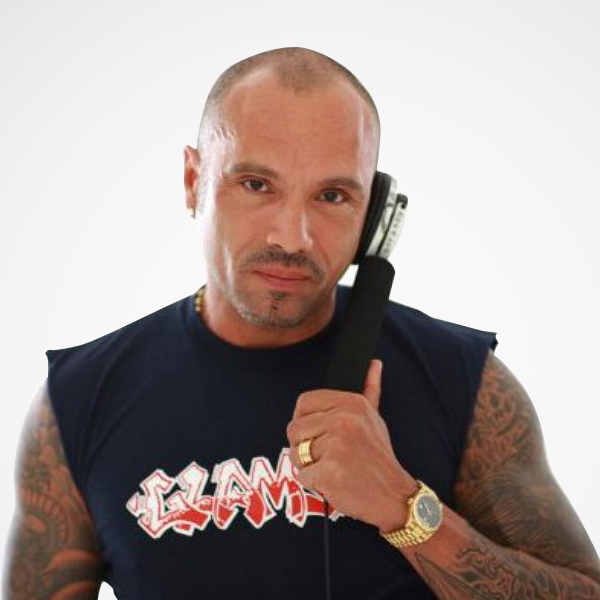
David Morales
David Morales is a globally revered American DJ, a Grammy award-winning record producer, a songwriter, and a businessman. He has produced and remixed over 500 records for an all-star roster of multi-platinum artists, including Mariah Carey, U2, Michael Jackson, Aretha Franklin, Madonna, and Whitney Houston. The global phenomenon and penetration of dance music into Top 40 radio would not have been possible without him.
A native New Yorker, Morales was one of the first superstar DJs to actively tour the world—and his activity, over the years, has only increased. Recent 2019 headlining dates include the U.K.’s 51st State Festival; a back-to-back set with Luciano at IMS’ Dalt Villa party; massive five-hour “tag team” sets with Louie Vega; sold-out events at Manchester’s Victoria Warehouse, Avant Gardner in New York, and A Night in Paradise at London’s Ministry of Sound. Coinciding with these dates was Morales’ keynote interview and official party headliner at the Brighton Music Conference, which included a streamed set on the British Airways i360 Tower.
Not one to rest on his laurels, in the midst of this non-stop tour schedule, Morales launched Diridim Records in 2018. With this new label, Morales is signing and developing artists—and naturally, releasing some of his own productions. Diridim celebrates all dance music, from the classic sounds Morales is known for to straight up electronic. Releases in 2019 include the multi-volume “The Red Zone Project,” Izizwe, featuring Shota, and collaborations, “There Must Be Love” and “Freedom” with Janice Robinson. His unquenchable thirst for newness is precisely why this native New Yorker remains relevant. “It is about keeping an open mind,” Morales explains.
FILM /TV/FASHION/RADIO
David Morales has transcended musical genres to create a global brand. His music productions have appeared in popular films and television shows, including The Devil Wears Prada, Ninja Turtles 2, Don’t Mess With the Zohan, and Star (TV Series). His Diridim radio show can be heard on Ibiza Global Radio which is streamed to millions of listeners around the world. In 2016, Morales was the lead judge on “Top DJ” a national television series broadcast on Italia 1. When it came time to wear his fashion model hat, Morales appeared in a global advertising campaign for luxury design house, Iceberg.
HISTORY
David Morales honed his skills as a DJ in the 1980s and 1990s at such legendary clubs as the Paradise Garage, Red Zone, Ministry of Sound, and Sound Factory. When the remix and DJ work began taking off, Morales teamed up with house music legend, Frankie Knuckles, and For The Record DJ Pool founder/NYC nightlife impresario, Judy Weinstein, to create Def Mix Productions.
Morales’ prolific production career kicked into high gear in the 1990s with the release of his solo debut album, “The Program” by David Morales & The Bad Yard Club. In the late-1990s, with hundreds of remixes (Mariah Carey’s “Dreamlover,” Janet Jackson’s “Throb,” Alison Limerick’s “Where Love Lives,” CeCe Peniston’s “Finally,” Jaydee’s “Plastic Dreams,” Robert Owens’ “I’ll Be Your Friend,” under his belt, Morales recorded the groundbreaking house jam, “Needin’ U,” under the alias David Morales Presents The Face. Morales’ second album, “2 Worlds Collide,” arrived in 2005, followed six years later, by his third album, “Changes.”
David Morales was nominated for his first Grammy Award in 1996 as a Producer on Mariah Carey’s album, ‘Daydream’ for the song ‘Fantasy’. He won the 1998 Grammy Award for “Remixer of the Year.”
Though Morales’ past is surely one for music’s history books, the DJ-turned-artist always has his eyes firmly focused on the future—on what lies ahead. He keeps an ear to the ground, regularly exploring new music, new artists, and hotly tipped DJs who might inspire him to “go and do my homework.” He happily embraces the new generation of clubgoers. “They don’t care about yesterday”, he says, with a knowing smile.
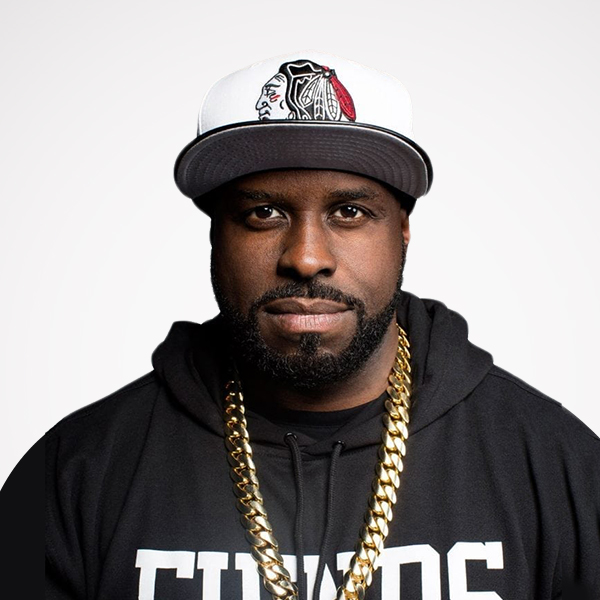
Funk Flex
Funk Flex sets trends. His name is known around the world and for more than a decade now, Funk Flex has reigned as America's No. 1 radio personality, reaching more than 2 million listeners a week on Hot 97. When he's on the air, an estimated 10% of everybody tuned into a radio in the metropolitan New York area is listening to him.
Funk Flex has developed his own mini-empire of car-customizing television programming. Flex first experienced television success with the runaway success of his Spike TV show, "Ride with Funk Flex." Flex then went to ESPN with his television shows "All Muscle with Funk Flex" and "Car Wars with Funk Flex." In "All Muscle with Funk Flex" he can be seen interviewing and customizing the cars of leading sports celebrities from the NBA, NFL and Major League Baseball and the world of Hip-Hop. In "Car Wars with Funk Flex" viewers watch what it takes to build a car worthy of a spot at the Funk Flex Custom Car and Bike Show Tour. The winner of the show received a $50,000 cash prize.
In 2009, Flex is back at Spike TV and reigns supreme with his new show, “Fast Machines with Funk Flex” produced by MTE. The show focuses on Flex creating the latest in customizations on today's hottest new cars as well as his signature classic car customizations. The series includes many popular celebrities including Dale Earnhardt Jr., LL Cool J, Danica Patrick, 50 Cent, Terrell Owens, T-Pain, Jermaine Dupree, Fat Joe and Jim Jones.
Besides being apart of his own television shows, Flex has appeared on American Choppers, Overhaulin', Car Crazy TV and the Video Game Awards as a co-producer and musical supervisor. He was also co-host of Autorox, the first-ever nationally televised Auto Awards Show.
Funk Flex's love affair with automobiles is no on-air gimmick. He is a true custom car fanatic. So much so, The New York Times recently dubbed him the "evangelist of hip hop car culture." He founded Team Baurtwell, the highest profile custom-car club around with members like Shaquille O'Neil, musicians Busta Rhymes, Missy Elliot, Mariah Carey, NASCAR Drivers Dale Earnhardt Jr., Danica Patrick, and professional baseball athletes Jason Giambi and Manny Ramirez.
Flex is the consultant to the hottest car accessory companies, consulting them on a host of issues, especially product placement and future advertising. This knowledge has led to numerous endorsement deals from some of the biggest companies in the game.
In recent years, Flex has become the one-stop source for the latest and greatest in the world of customizing. When chart-topping artists like 50 Cent, Ludacris, Queen Latifah, P. Diddy, T-Pain and Chris Brown need advice on the latest trends in automotive customizing, they need make only one phone call to their man…Funk Flex. As if that wasn't enough, Flex leads one of the industry's largest and most effective street marketing powerhouses - Franchise Marketing.
Funk Flex is single-handedly reinventing American car culture for the new urban audience. Not only does Flex represent his own line of hi-octane automotive accessories, but he also developed and promotes an annual eight-city Funk Flex Custom Car & Bike Show Tour. The tour brings the most exclusive and expensive candy-colored rides to fans in cities & countries as far-flung as Canada, Daytona Beach, Louisville, Houston and Los Angeles.
The Funk Flex Custom Car & Bike Show Tour also showcases the premier show for sneaker enthusiasts, "The Funk Flex Sneaker Battle." The Battle brings together sneaker enthusiasts and everyone involved in the culture of hip-hop, graffiti, djing, sneakers, clothing, art, and overall fashion. It showcases the collection of sneaker enthusiasts from all over the Globe, who will compete for cash and prizes. The collections will cover all independent and major footwear brands. Stay tuned for some crazy collaborations with Flex and the Sneaker Community.
The bottom line is this: Funk Flex has an enormous presence with today's most desirable target audience. When he plays a record, it becomes a hit. When he sponsors an event, it sets attendance records. When he markets a product, people buy it.
Flex is known, respected, but most importantly…he is trusted. Funk Flex offers something that truly can not be bought. He has credibility, and that makes him...
Unstoppable.
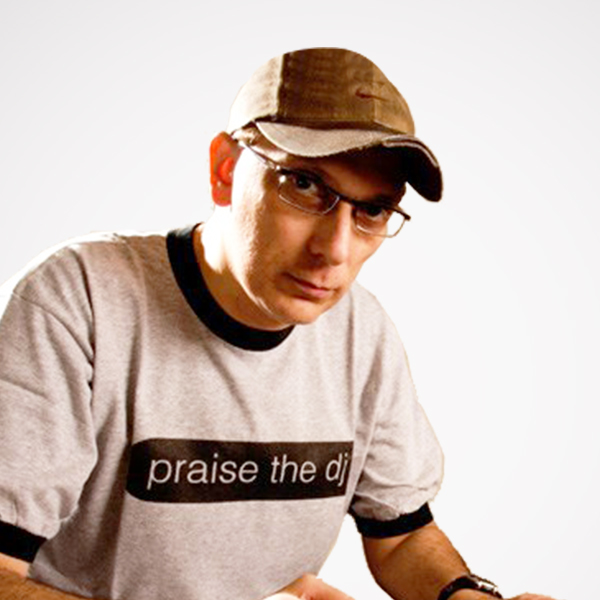
Glenn Friscia
In an industry over run by DJs, producers and remixers, it's hard to distinguish those who will disappear into memory and those who have what it takes to leave a mark. It was obvious in the beginning of Glenn Friscia's illustrious career that he had the drive as well as the creative force it took in order to become an industry mainstay. Glenn Friscia not only left his mark on the music world through his innovative DJing, production and remixing skills, but he embedded his name into the subconscious of many people for years to come.
Ask any dance music follower about the name Glenn Friscia and almost immediately the response is the same: Legendary. And with good reason too; for almost 30 years and counting, Glenn has been a mainstay in the recording industry, international nightlife, as well as NYC radio and clubs. Changing with the times, he has managed to stay on top of the ever morphing tastes of the masses. Whether he's brining it with tech, minimal, tribal, progressive, vocal anthems, house, pop dance or classics, Glenn Friscia has it covered. His has a love affair that has turned into a life long obsession with music.
Glenn Friscia was the resident DJ on WQHT's "Original Saturday Night Dance Party" for 11 years, where he broadcasted live from clubs all over the tri-state area. He has had residencies at clubs all over NYC including Palladium, Emerald City, Limelight, Roseland, Club USA, Tunnel, Mirage and Expo to name a few. Friscia even conquered New Jersey, Connecticut, and Boston at Chicago/Sound Garden, Abyss, Hunka Bunka, Velvet, and Avalon. Soon after, Friscia found himself broadcasting his radio show live from The Hippodrome in London. His foray into radio became so successful that he was the only person in radio history to compile a 35 share for a radio mix show while on WQHT. After leaving WQHT Friscia was sought after by WKTU where he was for 7 years, after that he went to Party 105, Mix 102 and Pulse 87.
His place in history aside, this music veteran has also kept himself relevant over the years by churning out countless dance hits. Today you will find record execs and NYC socialites asking him to DJ their parties or incorporate his sound into many of today's remixes. He has recently put his unique spin on remixes for contemporary artists such as Britney Spears, Justin Timberlake, Jordan Sparks & Chris Brown, Diddy, Kelly Clarkson, Nelly Furtado, and Mariah Carey to name a few. Add to that the list of record release parties he was asked to spin at for the likes of Britney Spears, Calvin Klein and the Uber Diva herself, Madonna; things do not show any sign of slowing down.
Currently, you will find Friscia spinning for crowds across the United States and Over Seas. You'll also find him spinning in venues all around NYC. You will also find Friscia spellbinding listeners on the radio; he can be heard on Pulse 87, WMPH, Sirius/XM, Music Choice, and AOL Music.
Glenn Friscia is a man that knows no bounds. For almost 30 years and counting, Glenn Friscia has remained a mainstay in NYC's nightlife. His name has become synonymous with success. And in an industry over run by flash in the pan DJs, producers and remixers, it's sometimes hard to distinguish those who will disappear into memory and those who have what it takes to leave a mark. Glenn Friscia has obviously managed to leave quite the mark. And it appears that he's not going anywhere else but up.

Grandmaster Flash
The career of DJ Grandmaster Flash began in the Bronx with neighborhood block parties that essentially were the start of what would become a global phenominon — the dawn of a musical genre. He was the first DJ to physically lay his hands on the vinyl and manipulate it in a backward, forward or counterclockwise motion, when most DJs simply handled the record by the edges, put down the tone arm, and let it play. Those DJs let the tone arm guide their music, but Flash marked up the body of the vinyl with crayon, fluorescent pen, and grease pencil—and those markings became his compass
He invented the Quick Mix Theory, which included techniques such as the double-back, back-door, back-spin, and phasing. This allowed a DJ to make music by touching the record and gauging its revolutions to make his own beat and his own music. Flash’s template grew to include cuttin’, which, in turn, spawned scratching, transforming, the Clock Theory and the like. He laid the groundwork for everything a DJ can do with a record today, other than just letting it play. What we call a DJ today is a role that Flash invented.
By the end of the 70s, Flash had started another trend that became a hallmark around the world: emcees followed flash to the various parts and parties to rap/emcee over his beats.
Before long, he started his own group, Grandmaster Flash and the Furious Five. Their reputation grew up around the way the group traded off and blended their lyrics with Flash’s unrivaled skills as a DJ and his acrobatic performances—spinning and cutting vinyl with his fingers, toes, elbows, and any object at hand.
Grandmaster Flash and the Furious Five went Platinum with their single, “The Message.” Meanwhile, the single “The Adventures of Grandmaster Flash on the Wheels of Steel” introduced DJing to a larger listening audience than it had ever known before; it became the first DJ composition to be recorded by a DJ. The group’s fame continued to grow with “Superappin,” “Freedom,” “Larry’s Dance Theme,” and “You Know What Time It Is.” Punk and new wave fans were introduced to Flash through Blondie, who immortalized him in her hit, “Rapture.”
The rock n’ roll hall of fame also recognized Flash with an honor no one else in hip hop has received: Grandmaster Flash and the Furious Five became the first hip hop group ever inducted into the Rock and Roll Hall of Fame in 2007. Flash is the first DJ to ever receive that honor.
By the time the 90s rolled around, Flash was hand picked by Chris Rock to spend five years as the music director for his groundbreaking HBO series, The Chris Rock Show. More recently, Flash has played for audiences as large as the Super Bowl and as elite as Queen Elizabeth II of Great Britain.
On top of his induction to the Rock and Roll Hall of Fame, Flash has been the recipient of many awards, including VH1 Hip Hop Honors; The Icon Award from BET in honor of his contribution to hip hop as a DJ; The Lifetime Achievement Award from the RIAA; and Bill Gates’ Vanguard Award.
Although Flash has been in the business for many years, he shows no sign of slowing down: this coming year promise, a new album, and he will began his descent from the analog vinyl world of DJing to enter the digital world of DJing. His DJ application of choice is “Traktor Scratch” by Native Instruments.
Grandmaster Flash’s memoirs, The Adventures of Grandmaster Flash – My Life My Beats was released in bookstores worldwide. The book is penned by David Ritz, author of both Marvin Gaye’s and Ray Charles’ biographies. In this extraordinary book, Grandmaster Flash sets down his musical history, sharing for the first time his personal and difficult life story—along with no small amount of wisdom and experience.
The Smithsonian Museum of American History in honor of Black History Month has opened its exhibit RECOGNIZE! Hip Hop and Contemporary Portraiture that Grandmaster Flash along with other hip hop artist such as LL Cool J, Erykah Badu and Common will be featured.
In closing, grandmaster flash continues to tour the world, in festivals, clubs and venues. He now has his eyes and ears on this new craze-dance music,. which he now adds to his legendary repertoire.
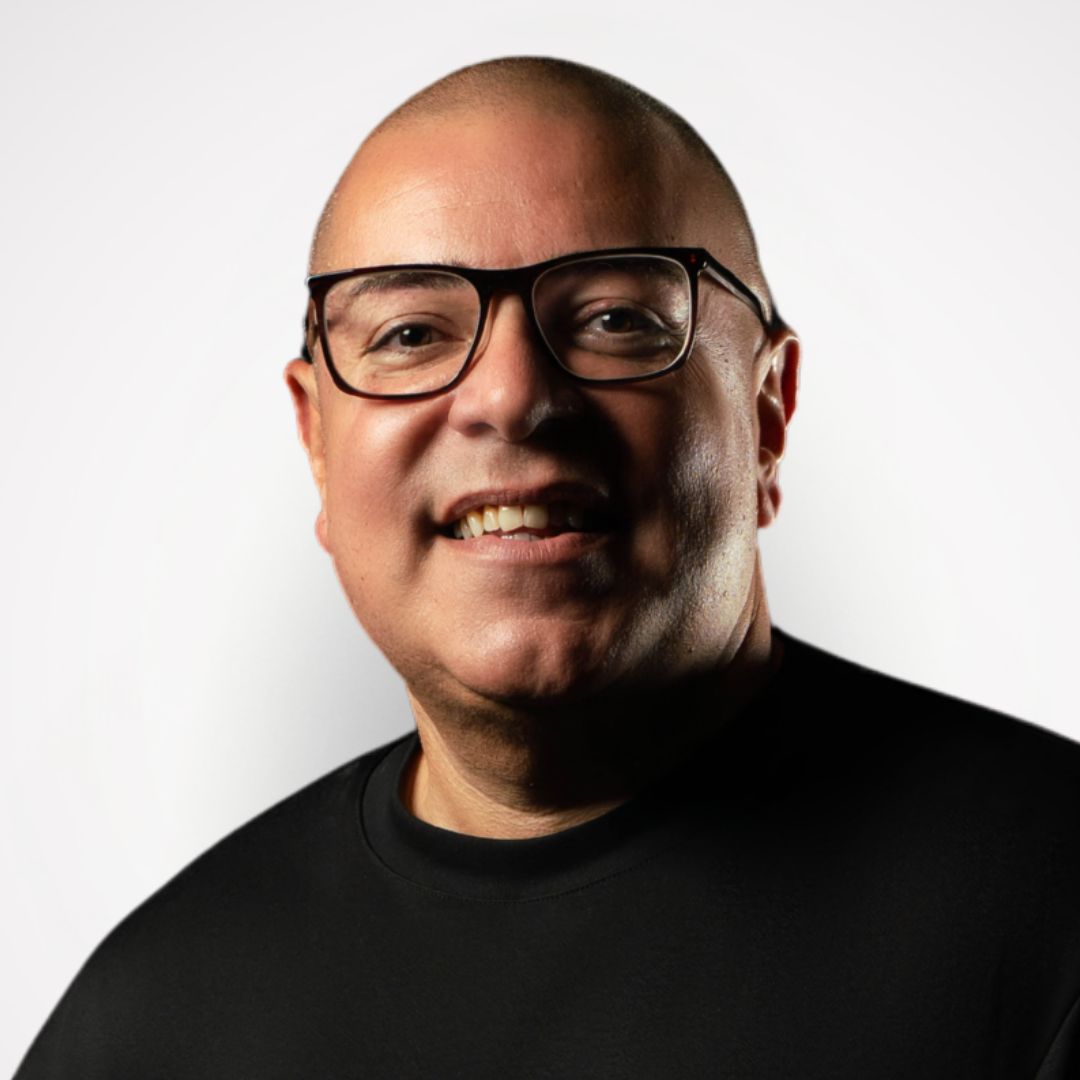
Hector Romero
There have been lots of changes over the past four decades in New York Nightlife. The sounds have gone from Disco to Freestyle to House to Techno; the venues have gone from Studio 54 to Palladium to Sound Factory and Pacha to Output; and the borough to dance in has gone from Manhattan to Brooklyn. But there has been one element in the community that has been able to survive the ever – evolving landscape, and that is the DJ. Not many of course, but a few talented, Inspired DJ / Artists have remained at the forefront of the industry during this time. One of those is Hector Romero. Born and raised in The Bronx, Hector’s DJ experiences include playing legendary venues like Red Zone, Limelight, Palladium, Save The Robots, The Roxy, Cielo and Output.
Over the years he has evolved into one of New York City’s prime ambassadors of House music, bringing his unique Soulful and Latin inspired House vibe to venues around the world. With 40+ years of experience this career jock is now throwing his musical diversity and eclectic taste as a sought-after A&R in the music business. Under his belt are various mix compilations that he has curated, King Street’s “Soulful House Journey”, Nervous Record’s “Weaving Genres” Vol.1 & 2. These projects showcase Hector’s abilities not only as a DJ but as an A&R exec that has an ear for quality music. He attributes his business savvy by having worked with industry legend Judy Weinstein during his 20 plus years at Def Mix Productions. This is where he matured as a record executive working alongside Grammy awards winning DJs David Morales, Frankie Knuckles and Satoshi Tomiie.
Those relationships taught him essential lessons about the equal importance of a great beat and a great song.
Currently Hector acts as A&R Director of Orianna Music, a Latin Electronic boutique label owned and operated by Sony Music, a position he truly loves.
Although New York is still his home, Hector spends a great deal of time traveling where he can be found stirring up dance floors in Italy, Greece, Japan, Spain, Canada and various parts of the world.
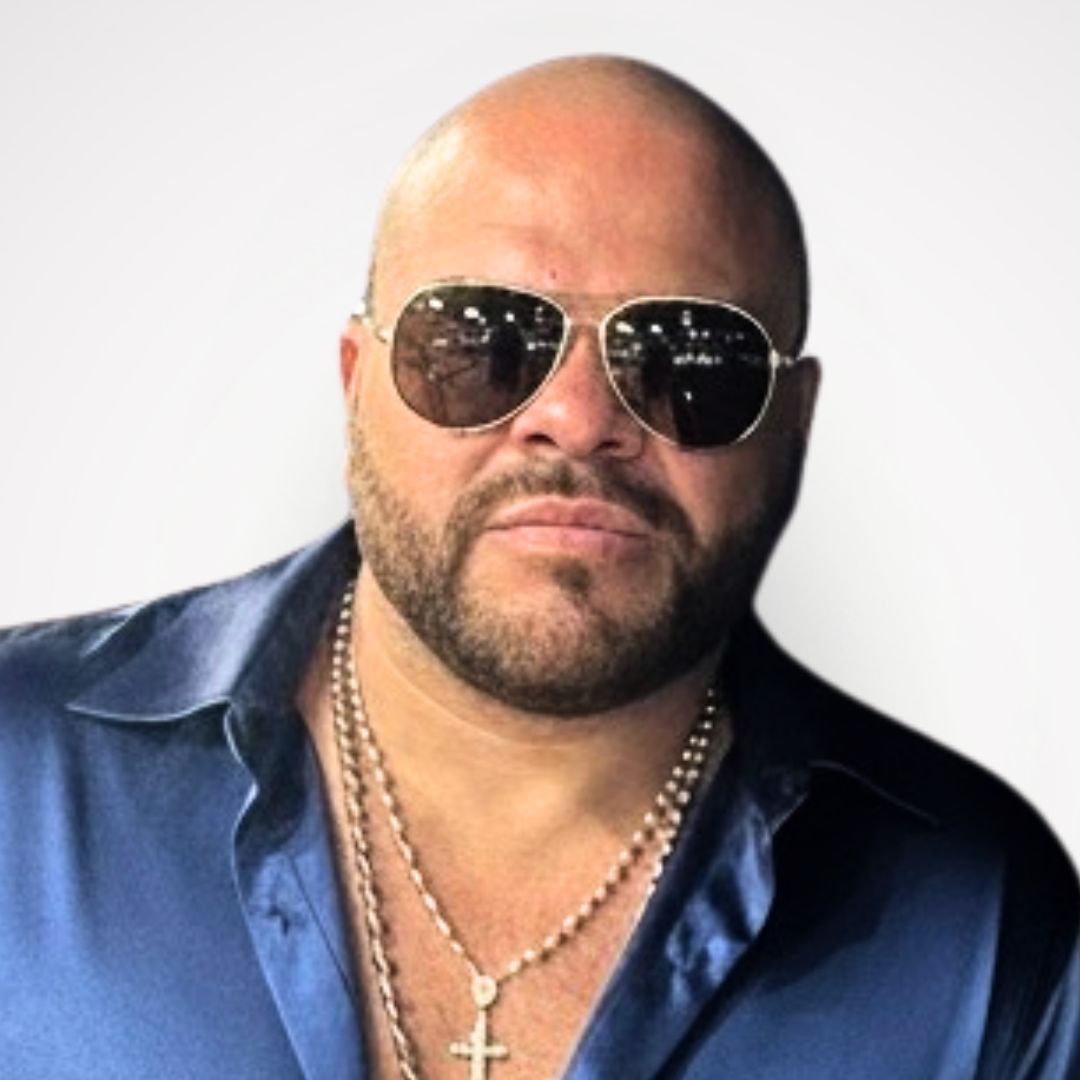
Lucho
In an era dominated by performative social media stunts, viral optics, and self-proclaimed icons, true mastery in the DJ booth has become a rare commodity. DJ Lucho belongs to a distinct caliber of artist—one whose reputation wasn’t built on noise or posture, but on an undeniable, foundational contribution to New York’s music scene. He is the quiet force behind some of the most iconic dance floors, studio productions, and high-profile private events in modern music history.
Roots in Harlem and Early Discovery
Born and raised in Harlem on 122nd Street, Lucho’s introduction to music came directly from his neighborhood backyards, where block parties featured early sets by pioneers like Grandmaster Flash, alongside the rich Latin Salsa and Disco records spinning in his childhood home.
Following the passing of his father when Lucho was just nine years old, his mother stepped up as both parents. At 13, while chaperoning his sister at the legendary club Heartthrob, Lucho witnessed his first club DJ at work and found his calling. Seeing his dedication, his mother sacrificed to buy him his very first pair of turntables and speakers—a pivotal moment that anchored him during the turbulent crack epidemic era in New York, keeping him focused purely on the craft of Latin House and Freestyle music.
The Sound Factory Breakdown
Lucho’s disciplined focus quickly translated into an early reputation across the city’s nightlife infrastructure. Rising through the ranks, he landed an apprenticeship carrying vinyl records for global house icon Little Louie Vega.
His defining break arrived unexpectedly at the legendary Sound Factory on a Wednesday industry night. Louie Vega had just returned from Italy with severe jetlag and asked Lucho to set up his records at the venue while he took a brief nap. By 10:00 PM, with the club packed with label executives—including Strictly Rhythm Records co-founder Gladys Pizarro—Louie was nowhere to be found. Pushed into the spotlight by necessity, Lucho took the decks and delivered a masterclass set heavily inspired by his mentor’s technical precision. When Louie Vega walked in at 1:00 AM, he cheered his young protégé on from the floor. That single night placed Lucho firmly on the radar of New York’s dance music elite.
Classic Productions and Studio Breakthroughs
Lucho’s technical proficiency in the booth quickly migrated into the recording studio alongside the industry’s most revered figures. Mentored by Louie Vega and Kenny “Dope” Gonzalez (Masters at Work) at Basshit Studios, Lucho learned the nuances of record production from the ground up.
His solo releases became staples of the underground house movement:
"Symbols of Life" (with Disco Dave): Originally recorded in a $20-a-hour Bronx studio, the track gained heavy rotation through Louie Vega and was picked up by Joe Claussell’s world-renowned Spiritual Life label.
"Canto Latino": A Latin House masterpiece featuring replayed trombone samples from Hector Lavoe and Willie Colón, the track caught the attention of Todd Terry and was officially released on his iconic Freeze Records.
The DJ for the Stars
Despite his deliberate avoidance of press and public relations, Lucho became the preferred selector for world-famous cultural icons. His ability to curate unforgettable narrative experiences made him a high-demand talent for closed-door, elite events:
Jennifer Lopez’s 40th Birthday: Brought in by Marc Anthony’s team, Lucho curated a private mini-concert at the Edison Hotel’s Supper Club, incorporating slam poet Oveus Maximus, theatrical spiritual dance performances, and surprise live sets by Freestyle icons TKA and Shannon—moving Lopez to tears.
High-Profile Galas: Selected to spin for private events host to global figures including Tom Cruise, corporate networks like NBC, and major Condé Nast galas.
Arena Scale: Headlined massive, 18,000-seat 360-degree Freestyle concerts at Madison Square Garden and the American Airlines Arena in Miami.
Entrepreneurship and Cultural Legacy
When the early 2000s music industry shifted due to physical bootlegging and declining remix budgets, Lucho applied his sharp business instincts outside the booth. Partnering with his mother, he launched Latin Kitchen—expanding it into a successful multi-location restaurant brand while continuing to perform at major venues like Brooklyn’s Club Rio.
Today, DJ Lucho remains a crucial architect behind the resurgence of classic Freestyle and House music. Moving away from tired industry formulas, he is redefining live reunion experiences for a modern audience—most notably partnering with longtime friend and legendary promoter John "Gungie" Rivera for major milestone shows, including the 1018 and Roseland reunions.
Guided by principles, technical mastery, and an unwavering respect for the culture, DJ Lucho continues to let his work speak for itself—a true artist's artist in every sense of the word.
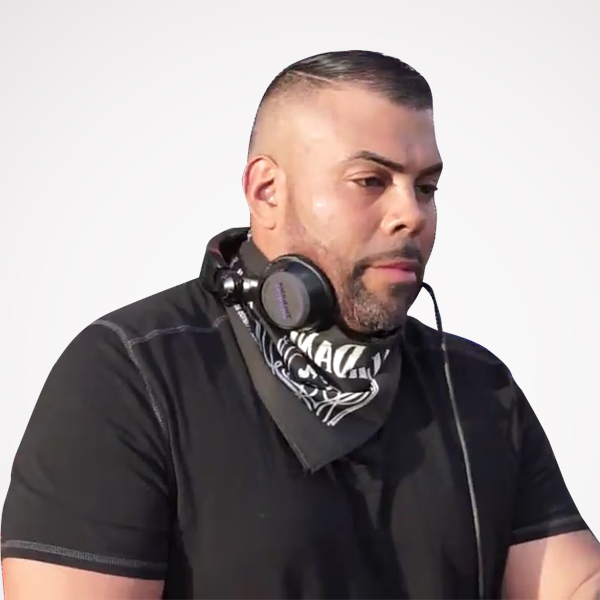
Rob Lo
Born & Raised in NYC’s borough of Brooklyn..."The UnDisPuted", DJ ROB-LO is one of the most established DJ's in the music industry today. Since ROB-LO first touched the turntables back in 1987, he has mastered how to manipulate the music and work the dance floors. His years of experience have brought his music to an abundance of cities throughout the United States and abroad, including numerous cities in New York, New Jersey, Connecticut, Illinois, Florida, Massachusetts, Virginia, Switzerland, Germany, Austria, Domincan Republic, Mexico and his parents’ native island of Puerto Rico. ROB-LO has played along side some of the music industries finest DJ’s such as DJ Jazzy Jeff, Crooklyn Clan, Skribbles, and Kid Capri. ROB-LO has ripped the turntables in hundreds of different nightclubs throughout the world, some of these the hottest in their region. Just to name a few in New York: LQ’s, Providence, Mansion, Webster Hall and China Club. In Atlantic City, NJ: Providence @ Inside The Tropicana Hotel & Casino & Jay-Z’s 40/40 Club. In Orlando: Blue Martini and Tabu. In Miami: Mansion, Opium Garden, Prive’ and Billboard Live. ROB-LO is Still Currently Touring Many Cities & is Also Resident For 2 of NYC’s Prominent Clubs, Those Being Don Coqui Astoria & Salsa Con Fuego. AlMost Anyone who follows ROB-LO can confirm that the List of Venues just keeps growing.
ROB-LO has participated in many major events, such as the Johnny Walker Black Label website launch party and the HBO.com urbanBus website launch party. His music, as well as his voice have been heard throughout many arenas and televised boxing events in which he has produced many walk in intro’s for professional boxers such as Hector Camacho, Sr. & Jr., Zab “Super” Judah & Luis Collazo. ROB-LO has been featured numerous times as a guest DJ on B.E.T.'s Rap City, "The Bassment", and was given the opportunity to dj/co-host one full season of the nationally aired television show LatiNation, This giving him even more national exposure. Recently, he was able to live a dream as he played at The World’s Most Famous Arena... Better known as Madison Square Garden for a soldout crowd at a concert held by NY’s 105.9 FM. Speaking of Madison Square Garden, We Should Also Mention That Since 2009, ROB-LO Has Been The Official DJ For The Former NY Knicks Legend John “The Dunk” Starks & The John Starks Foundation & Their Many Events. AnyOne Who is In Tune With Sirius/XM Satellite Radio Can Certainly attest that ROB-LO has been featured Many Times on both the Violator Radio UnCut Show which airs on Hip Hop Nation and also on The Gomez Brothers Show which airs on Eminem’s Shade 45.
Since deciding to master the art of manipulating music in all aspects, ROB-LO added to his experience by obtaining his Associates Degree in Music Business and Audio Recording at Five Towns College, in Dix Hills, NY. This allows him to bring music to new heights by combining engineering, producing and remixing along with experience, creativity and his deep-rooted love of music. You Can Find Many of His Mixes, Remixes. Production, & Mash-Ups throughout the internet. This artistic & Talented Man has undeniably earned a name for himself with listeners that support him everywhere he goes, Thus Earning his Nickname, “The UnDisPuted”. Along with his winning personality and experience, this entrepreneur’s strength is what will keep him striving to be the best...

Steelo
Born in Caguas Puerto Rico and raised in Queens NY, Unorl Angel Santiago aka DJ STEELO, was given a microphone, a radio with dual cassette player and asked to play some songs at a very early age. Right there he knew what he wanted to do in his life.
In the Summer of 94' at the age of 15 Dj Steelo was given his 1st pair of turntables & mixer. He turned his basement into a studio/dj room spending endless hours perfecting his mixing skills.
By the age of 19, DJ Steelo had alreading performed in countless night clubs all over the tri-state area including Long Island New York. From '97-'99
In 2002 Dj Steelo Got the opportunity to Dj at The Legendary CHINA CLUB in midd town Manhattan for then promoter Ruben Rube. The promoter like the way he djed & asked Steelo to became one of the his resident Djs at the club. Here, Steelo djed for the next 3 years on Saturday nights.
At the China Club, Dj Steelo meet Pablo Diaz from Prestige Production. Pablo introduced Steelo to the Legendary Club Promter John “Gungie” Rivera. John Rivera gave Steelo an opportunity to dj at Club NV in Soho Manhattan. Another great moment for Dj Steelo to meet and spin for such a legendary club promoter.
Steelo was given Friday Nights at Club NV along side NYC top Djs. These gigs lead him to Dj at different clubs all over the city.
With his great Mixing skills, the ability to read the crowed and speak on the mic, Dj Steelo got the opportunity to travel to Tampa FL, Clearwater FL, Hartford Connecticut, Springfield Massachussetts and Puerto Rico.
With all his appearance throw out the east coast, In 2006 Dj Steelo got the chance to Dj over sea in Switzerland. One of his Greatest achievements.
He has done numerous hip-hop, House/Dance & Freestyle concert. Dj Steelo has opened up for such Artist like Stevie B, Angle from the cover girls, Sweet Sensation, Raquela, Aby From T.K.A. and George Lamond.
Between the years of 2011-2014 DJ Steelo had his own internet radio show called “THE THROW DOWN MIX SHOW W/DJ STEELO” doing a weekly set on The Party Station web site, www.partystation.webs.com. Mixing some classic Freestyle, 90's hits, Dance/House, Hip-hop, Reggae, Reggeaton.
Dj Steelo's background has giving him a wealth of Knowledge in all gender of music. His knowledge of music and his ability to read the crowed is what separate him from all others.
Dj STEELO's music Library ranges from Hip-hip, R&B, Reggae to Latin, Reggeaton, house/dance, top 40's and some classic rock.
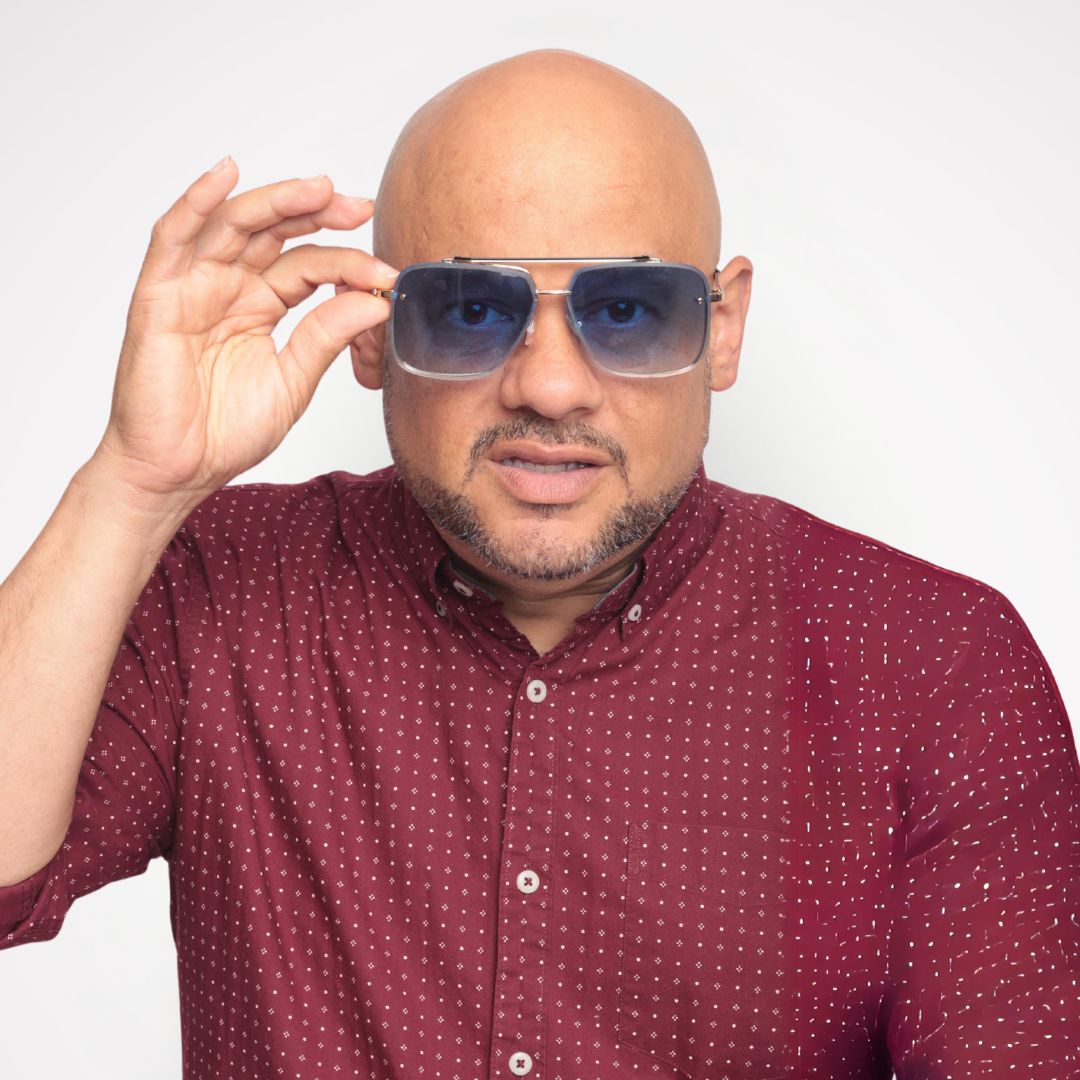
Ted Smooth
Teddy Rafael Mendez p.k.a DJ TedSmooth has been a staple in the New York City club scene for two decades. His unique style earned him the title “The Remix King,” as his remixes have been attributed to taking a hit record to the next level.
Tedsmooth has been the force behind some of the hottest remixes including Jamie Foxx’s Blame it, Beyonce’s Love on Top, Jay Z and Justin Timberlake’s Suit and Tie, Miguel’s Adorn and Usher’s Daddy’s Home featuring Jadakiss, all receiving well over 100,000 hits.
The artist, producer, songwriter, and DJ is known for being the man behind Lumidee’s biggest hit, “Uh Oooh” and “No Music” by Voice of Harlem. In 2009 he landed a spot in Funkmaster Flex’s Pitbull DJs, was named “Best Blend DJ” at the 2009 and 2010 Latin Mixx Awards. After earning a nomination for “Best DJ Producer” at the 2012 Global Spin Awards, he was named Best Remixer of the Year in 2013. He is currently the official DJ for Dyckman Basketball Tournamants, the #1 Streetball Tournament in New York City.
His brand reaches far beyond just the music industry. In his East Harlem neighborhood, he organizes a series of outdoor gatherings known as Tedsmooth’s Old School Jams. The annual series features musical performances by legendary DJ s from all over the world. In addition, he hosts community based events at La Casita Community Garden, which he’s managed for over 10 years.
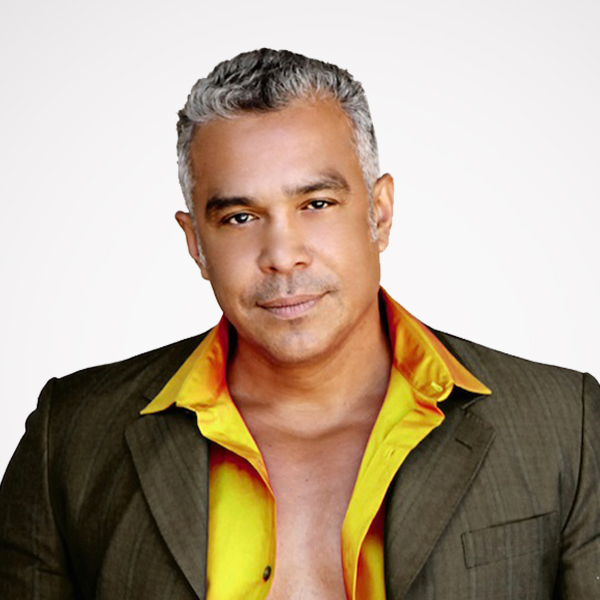
Tony Moran
The thunderous beats of New Yorker Tony Moran have resonated throughout clubs and arenas around the world, and have dominated the Billboard dance charts for decades. When artists like Mariah Carey, Whitney Houston, Madonna, Beyoncé, Britney Spears, Rihanna, Mary J Blige, Janet Jackson and Jennifer Lopez want to tear up the dance floor, they call upon the top-ranked DJ and Grammy™ nominated producer and remixer for The Moran Sound --- hard hitting tribal house anthems infused with the latest cutting edge sounds in electronica.
Tony Moran, however, is more than a man that works the DJ booth and studio. An accomplished singer and songwriter, he has released a number of independent singles and CDs throughout his three-decade long (and counting) career. His latest offering, entitled MAGIC is a universal embrace of soul, sympathy and conviction. MAGIC has been two years in the making, and follows hot on the heels of his previous tour de force double dance CD, THE EVENT. The lead single from MAGIC is You Are, an original Moran composition featuring powerful vocals by Frenchie Davis.
EARLY ROOTS Drawing strength from the challenges of his childhood surroundings in Brooklyn, Tony Moran capitalized on the melting pot of creativity that lay before him in the form of music. It’s hard to say whether Tony Moran discovered music or music discovered Tony Moran, but after naturally gravitating to the DJ tables and attracting partygoers by the hundreds to his gigs, Tony Moran himself got discovered by a program director of a prominent radio station in New York City in the early 80s.
Buoyed by local buzz, Tony Moran, at age 19, struck a fateful collaboration with producer Albert Cabrera. Dubbed The Latin Rascals, the pair fused the latest dance beats with hints of their Latin heritage into an explosive freestyle mix of club music. The result: the million-plus selling dance topper and pop smash, Show Me by the Cover Girls.
This success opened the floodgates to producing and remixing work for a variety of artists ranging from Run-DMC and LL Cool J to The Beach Boys and Diana Ross, who struck gold on the dance floor with the Latin Rascals’ magic touch. The duo, with Moran on lead vocals, also busied themselves performing live in clubs and stadiums across the country.
FLYING SOLO Heeding the call to develop himself artistically as an individual, Tony Moran went on to write, remix and produce albums and songs for a range of acts as diverse as Michael Jackson, Gloria Estefan, Cher, Luther Vandross, Patti LaBelle, Celine Dion, Jennifer Holiday, Jon Secada, Barry Manilow, Kenny G and even the London Symphony Orchestra.
Not to be left out, of course, are club queens Deborah Cox, Kristine W, Suzanne Palmer and Inaya Day, who have all churned out dance smash after dance smash with Tony Moran at the helm.
With more than 800 titles, dozens of Top 40 pop hits and countless No. 1 dance singles to his credit, the two-time Grammy-nominated Tony Moran shows no signs of slowing down. Driven as ever, but imbued with the creative freedom to develop and evolve his trademark sound on his own terms, Tony Moran -- like his contemporaries and role models Paul Oakenfold, Tiesto, Bob Sinclair and David Guetta -- is taking his music across the globe from the Americas to Europe to Asia and back.
With Tony Moran, the beat goes on...
Tony Touch
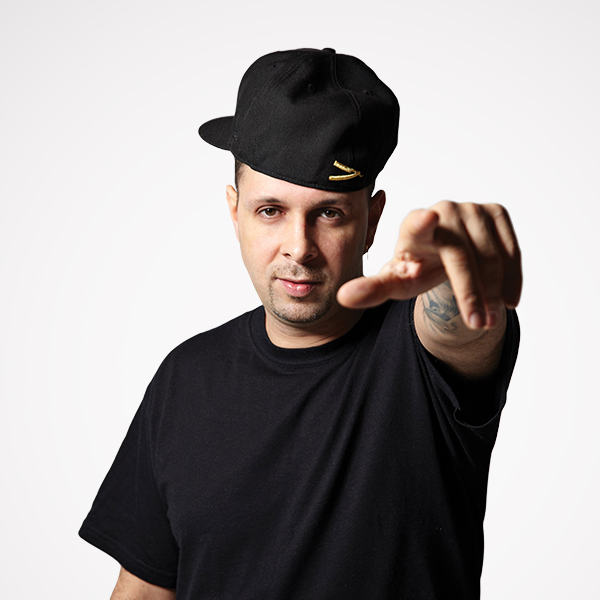
The Legacy Continues. Tony Touch A.K.A Tony Toca continues to be a force to be reckoned with. Tony Touch, an icon in Hip Hop and in the Urban Hispanic genre plus seasoned player in the game, is a true innovator and has revolutionized the DJ game over and over. From his legendary mix tapes, to his skills on the 1’s and 2’s, he has become one of Hip Hop’s most recognized DJ’s. This C.E.O/Artist/Producer is now currently working on his 7th commercial release titled “The Piece Maker 3…Return of the 50 MC’s” and is expected to make history once again.
Tony Touch began as a B-Boy during the rap music renaissance era of the early 80’s. Heavily influenced by pioneers like the Rock Steady Crew, Grandmaster Flash, Red Alert, ”Little” Louie Vega, and Jam Master Jay, he quickly shifted his interests towards the turntables. Toca is known for his legendary mix tapes like the original 50 MC’s parts 1, 2 and 3. Included in this series are some of the hottest artists in the game such as KRS ONE, Kool G Rap, Big Daddy Kane, Wyclef, M.O.P., Big L, Mos Def and many more all coming together for one collective piece. This along with the countless other mix tapes, Tony became recognized in the streets and industry as the real ‘Mix Tape King.’
Tony Toca evolved his mix tapes to record releases. In 2000, Tony released “The Piece Maker” on Tommy Boy records. This album sold over 400,000 units worldwide and featured legendary artists like Big Pun, Cypress Hill, Wu Tang Clan, Busta Rhymes, Eminem, Gang Starr, and much more. The video for the single “I Wonder Why” featuring Total featured cameos from John Leguizamo, Rock Steady and more. Since then, Tony Touch has released the “Piece Maker 2” which also had an all-star line up with features such as P. Diddy, Fat Joe, Sean Paul, Snoop Dog and even the legendary Ruben Blades.
Toca is also known to represent the Latino community to the fullest. It is the result of growing up with Salsa at home and Hip-Hop influence in his lifestyle. In 2005 Tony inked a deal with EMI Records and revolutionized the game once more with his Latin album called “ReggaeTony”. The hit single, “Play that Song” featured Nina Sky and B-Real of Cypress Hill. The cd had an all star line up including Tego Calderon, Ivy Queen, Zion y Lennox, N.O.R.E, Voltio, and Soni just to name a few. The album went GOLD and with that success, EMI records moved quickly to release ReggaeTony 2 which featured more heavyweight appearances.
Touch continues to be in demand globally. The proof is in the passport as he has toured over 30 countries including Japan, Australia, Puerto Rico, London, France, Greece, Russia, Brazil, Germany, Columbia, Switzerland, Italy and Cuba. He’s also acted as tour DJ for acts like Cypress Hill, Gurus’ Jazzmatazz, Rock Steady and the Beatnuts. You also may have caught Tony on TV shows such as “Saturday Night Live” and “The Dave Chapelle Show” spinning for Eminem. And you may have heard him on the airwaves in New York City on such stations as Hot 97, Power 105, and 107.5 WBLS. In 2004, Eminem and manager Paul Rosenberg closed a deal for their own radio station on Sirius XM Satellite called Shade 45. Tony Touch was quickly recruited to host TOCA TUESDAYS from 8pm to Midnight. TOCA TUESDAYS is also a weekly classic Hip Hop party in which he invites legendary DJ’s to guest spin.
And if that weren’t enough, a another weekly party Tony sparked was the FUNKBOX where he plays deep house music with celeb guest DJ’s. Both parties have been running over 4 years strong.
Toby Love
A former member of the Dominican-American boy band Aventura, vocalist Toby Love performs a unique pop style that mixes R&B, hip-hop, and elements of the traditional Dominican musical form bachata. Dubbed "crunkchata," the music often features the Bronx, New York-based vocalist singing in Spanish as well as English. Citing such influences as Michael Jackson, R. Kelly, and Juan Luis Guerra, Love embarked on a solo career, releasing Toby Love on Sony in 2006. It included the Billboard Hot 100 single "Tengo un Amor." He stayed with Sony for 2008's Love Is Back, 2011's La Voz de la Juventud, and 2013's Amor Total, all of which landed on the Billboard Latin and tropical albums charts. He had his biggest hit to date, though, with Bachata Nation, released by Select-O-Hits in 2016. Featuring the single "No Le Eches la Culpa," it reached number five on the Latin chart and became a tropical number one.
Freedom Williams
Freedom Williams knows how to set the world in motion. As front-man and rapper for C+C Music Factory, he led ubiquitous anthem “Gonna Make You Sweat (Everybody Dance Now)” to No. 1 around the globe, including five weeks at the top of the U.S. Club Play chart and a reign on both the Billboard Hot 100 and Hot R&B charts in 1990.
His iconic rapid-fire machismo also appears on follow-up C+C singles “Here We Go” and “Things That Make You Go Hmmmm”—both No. 1 dance hits—leading accompanying album “Gonna Make You Sweat” to sales of more than 8 million worldwide.
Raised in Queens, N.Y., Williams was rooted in the burgeoning hip-hop movement from an early age. He attended junior high school at P.S. 192, located on the famous 205th Avenue in Hollis, Queens, home to such staple acts as Run-D.M.C., Jam-Master Jay and LL Cool J. Williams wasn't just an observer of hip-hop culture; he was among its innovators and an early hands-on creator, rocking basement parties as MC Tiny Tim—a name he adopted from ‘70s and ‘80s funk outfit the Fatback Band’s release “King Tim III (Personality Jock),” which pre-dated the Sugarhill Gang’s “Rappers Delight” in 1979 as the first commercially successful rap record.
William’s first commercial success was on independent label Nu-Groove Records, launched by Frank, Karen and Judy Russell in 1988, which specialized in house music. Song “Freedom,” from seven-member group Total Science out of East New York, was issued in 1989, featuring Williams and Underground Network founder Barbara Tucker on vocals.
His next single, “Get Dumb,” distributed by Vendetta/A&M Records and co-produced by Kenny “Dope” Gonzalez of the now-celebrated Masters at Work group (which also includes Little Louis Vega), was the B-side to hit “You're My One And Only (True Love)” by Seduction in 1989, assembled by mega-hit producers Robert Clivilles and David Cole—founders of C+C Music Factory, who met Williams at Quad Recording Studios, where, in addition to his other talents, he was working as an engineer. They were impressed with his deep voice and rapping abilities—and the rest, of course, is history.
Following his multi-platinum success with C+C, Williams worked on film projects, community activism and solo music. His first project, “Freedom,” was released in 1993 on Columbia Records, spawning top 5 dance hit “Voice of Freedom” and follow-up hit “Groove Your Mind.” In 1994, single “Sweat the Remixes” on RMD Entertainment scored top 10 dance success in the U.K.
His 2009 single “Mindbounce” with production trio Speakerbox, reached No. 19 on the Billboard Dance chart, while Williams is also featured among the hit remixes on top 5 club smash “Underlying Feeling” by international dance diva Sylvia Tosun.
He is also involved with social networking Web site Vhopnation, is working toward authoring children’s books and a historical three-volume manuscript on the African Origins of Civilization from the Middle Ages through Europe. Williams also counsels and interacts with other single fathers through organization Young Fathers and Real Dads Network.
Mad Stuntman
Mark Quashie (born 24 January 1967), better known as The Mad Stuntman, is a multi-platinum selling Trinidadian-born American electronic dance artist and vocalist. Quashie's moniker was inspired by the 1980s action/adventure television program The Fall Guy which starred actor Lee Majors as a Hollywood stuntman, moonlighting as a bounty hunter. Making his home in Brooklyn, NY, The Mad Stuntman was introduced to platinum-selling producer/DJ Erick Morillo by popular Panamanian reggae artist El General, who is dubbed the "Father of Reggaeton". Morillo was looking for an act to be featured on his upcoming single "Go On Move" and to ultimately join him on tour as a group. "Go On Move" was originally intended to be an underground dub track, primarily instrumentals with minimal vocal showcasing on the hook, however the distinct energetic rough reggae style vocals of The Mad Stuntman propelled the 1992 single into mainstream success, and prompted its modification for commercial release.
"Go On Move" peaked at number 6 on the U.S. dance charts, which began Reel 2 Real featuring The Mad Stuntman's ascent into popular mainstream music. The Latin-reggae duo's sophomore 1993 single "I Like to Move It" became the group's most commercially successful and recognizable song, topping both American and European charts. The single quickly achieved number one hit status, first peaking in France and The Netherlands, before becoming a chart-topping hit throughout Europe. In 1994, the song peaked at number 89 on the U.S. Billboard Hot 100 chart. Reel 2 Real's "Move It Move It" featuring The Mad Stuntman continued to gain global popularity, hitting number 5 on the UK Singles Chart and reaching number eight on the U.S. Hot Dance chart. The Mad Stuntman proved to be one of Erick Morillo's most valuable artists, appearing on four of Reel 2 Real's top ten dance hits.
In 2005, DreamWorks Studios used the song in its first installment of the Madagascar franchise. British comedian Sacha Baron Cohen was cast to voice the character of King Julien XIII and perform his rendition of the song. Madagascar's use of "I Like to Move it" in the film, made the song a popular anthem for millions of viewers worldwide. Producer will.i.am duplicated The Mad Stuntman's style for his character Moto Moto in Madagascar 2, while acclaimed comedian/actor Chris Rock gave a colorful mash-up performance of the song, "Afro Circus/I Like to Move It" as Marty The Zebra in Madagascar 3: Europe's Most Wanted.
Strafe
Steven W. Standard, professionally known as Strafe; producer, musician, composer, arranger and recording artist of the now considered “club classic” dance tune “Set It Off”, is a composing visual artist as well.
Inspired while delving deeper into a “font based” computer program to create marketing elements for his music, curiosity and an inclination to be entertained while learning lured him into seeing more than just the letters, numbers and symbols available at his fingertips. Combined with shapes, colors and the ability to distort them all, in ways unintended, a whole new vista was sparked in his imagination and thus his Strafe Designs’, “limited edition Art tees” sojourn began and continues.
(“Set it off, I suggest y’all! Set It Off, I suggest y’all! Set it off! Come on let’s set it off”??? )
“A bold simplicity that implies”
Visual images for his “Art tees” (available as prints as well) is an actual “progression of conclusions” on a quest to discover, create and evolve images utilizing a limited color pallet (2-5 colors max) with a “less is more” determination and discipline.
Intended to be worn and received as “Art” (best for special events & “occasional” display) each piece is an imagination to be enhanced by its wearer. When worn, it’s a performance as subtle or as bold as the individual cares to represent.
Most designs are silk screened, paint on fabric compositions available (in store only) at whole sale and prototype prices ranged between $35. - $65.00. Signed prints, framed and unframed are also available. Special orders for designs not in circulation can be made as well.
Please visit The Gallery here, our shop in Brooklyn, website: www.hardsoulboutique.com or message us here for more info.
“Y’all want this party started right?” “Let’s get this party started.” “Let’s set it off!”
All popular phrases derived from what many still consider an “underground” hit recording.. Indeed Strafe the artist, is not a household name but, his musical work is ubiquitous!
At one time hailed as “the most sampled song of all time” by Billboard Magazine, SET IT OFF and its infectious catch phrases has been sampled, swiped, interpolated and used by artists such as Jennifer Lopez – “Feelin’ So Good” (with P. Diddy, Fat Joe & Big Pun), 50 Cent - “Outa Control”, Monica w/ Missy Elliot – “Get It Off”, Queen Latifah w/Organized Noize -“Set It Off” (the film), Lil Jon & The East Side Boyz -“I Like Dem Girls”, 69 Boyz -“Tootsie Roll”, Tupac -“Changes”, Rob Base - “It Takes Two”, Dead Prez w/Jay Z – “Hell Yeah (Pimp the System)”, Jagged Edge - “Put A Little Umph In It” (Remix produced by Jermaine Dupri), The Jackson 5ive - “Hum Along and Dance” (remix by David Morales), artists: Uncle Luke, Newcleus, DJ Kid Capri, EPMD, Fabolous, Wu-Tang and many others.
The original song as recorded by Strafe and released by Jus Born Records in 1984, appears on dozens of dance compilations throughout the world.
“Set It Off” has also entered the world of film, with the song or its elements featured in soundtracks and/or structure of movies: “Set It Off”, “Bad Boys”, “Big Momma’s House”, “The Principal”, Spike Lee’s “She’s Gotta Have It” (film and Netflix series, season 1), “Black and White”, Chris Rock’s “Top Five” and “Shark Tales”. Also in TV shows like The Jamie Foxx Show, The Keenan Ivory Wayans series In Living Color, sitcoms, documentaries and more.
The song’s continuing influence is evidenced by the fact that Strafe continues to administrate and license the song internationally.
“From spark to flame our love will grow into a fire….Set It Off!”
Hard Soul, the brand, the label, the concept, came about as Strafe the “recording artist” needed to define his musical work relative to its intent; distinct in its sound, when compared to the greater “Pop music” industry as a whole. He’s a songwriter steeped in influences that continue to inspire and resonate in his creative reactions to life “as it is”, in motion. The “true art” of any individual creator, their heart and personality, is realized when they’re allowed to tap into their personal stash of emotional reactions. Empathy and sensitivity can inhibit as well as spur one’s creative flow. Habitually optimistic, Strafe’s pursuit of solutions to the low points in life keep him driven. Staying slightly ahead of the depression, pervasive and due to global realities, is a challenge for many, not just himself. Knowing this, his escape into creativity is an adventure, seeking a solace, to be captured and reformed as musical and visual works. Sharing the conclusions is a work in progress. When is a stone polished enough? Is it cut just right? Who sets the standard? … Wink, wink! …Pun intended! Exclusive “listening stations” for unreleased work will be available soon, so please check back for developments. Also, please give a listen to the many selections already here on site.
ART, in the eyes and ears of each beholder sets its own value! On any given day, its stock can be up or down, depending on the influences affecting one’s perception at the time of viewing or listening. Independent of opinion, distinguished in flavor, style, and vision; confident in instinct and intent; Strafe’s Hard Soul Meditation seeks to serve and service the moment and The People with an honest dose of musings, capable of inspiring, encouraging and galvanizing a spirit of “communal cooperation”. The times and circumstances demand it! If we are to see brighter days?
“WE,
Who’ve never had it easy
Don’t expect it to be, yet still pursue
We do what we’ve got to do
HARD SOUL
Never easy… Always Love!”
- Strafe
France Joli
France Joli was born France Joly (yes, with a “y”) in Montreal, Quebec, on January 26, 1963. Singing and performing was already in her blood, as she began performing as a child to entertain her relatives. By age six she made her professional foray into show business by appearing on television. By the time she was eleven years old Joli had already been a veteran on the small screen by appearing several commercials and talent shows.
Young disco sensation
Musician and record producer Tony Green encountered Joli, who asked him to work with her. Eventually, the young girl got to sing at Green’s home; another source cited that it was Green who discovered Joli when he spotted her singing at a school production.
At first, Green reportedly refused Joli’s invitation to be her record producer but eventually he went to work for Joli’s first album. He also wrote the potential hit “Come to Me”. Joli, then 15 years old, recorded the track along with The Sweethearts of Sigma Sound, a well-known group of session vocalists from Philadelphia, USA.
France Joli’s self-titled album was released on the disco-oriented label Prelude, in April 1979. When the young singer performed “Come to Me” at a concert in New York (as a last-minute replacement for Donna Summer), the song garnered a big boost.
“Come to Me” eventually landed on top of the Billboard Hot Dance Club Play and stayed at that position for three weeks. The single also peaked at #15 on the Billboard pop charts, not a bad performance for a new artist. However, the relatively low placing of “Come to Me” gave an indication that audience and radio stations were growing disillusioned toward the disco genre. The single also peaked at #47 on the adult contemporary singles chart and #36 on the R&B singles chart.
The LP France Joli reached #26 on the Billboard 200 album chart.
The young singer made appearances on US television for the first time, debuting on the late-night musical variety series The Midnight Special. She later was a guest onThe Mike Douglas Show, The Merv Griffin Show, and Dinah!; Joli also appeared on a Bob Hope television special.
Her second LP Tonight was released in 1980. It carried the single “Feel Like Dancing”/”The Heart to Break the Heart” went as high as #3 on the Billboard’s dance singles rankings, but didn’t chart anywhere else – a sign that the reign of disco in the mainstream scene was virtually over. The album Tonight still managed to score a placing on the Billboard 200 at #175.
1981 saw the release of Joli’s third album Now, which was helmed by new producers Ray Reid and William Anderson. The album failed to chart this time, and its singles “Gonna Get Over You” and “Your Good Lovin'”/”Can We Fall in Love Again” only managed to score positions on the dance chart (at #2 and #53 respectively).
By this time Joli left Prelude, wanting to try something outside the disco market. She signed with Epic Records. Her albums with the major label, Attitude (1983) and Witch of Love (1985) failed to generate mainstream interest, despite the quality of songs and her strong performance. Joli was eventually dropped from the label.
Post-disco years
Joli spent the next decade focusing more on performing. In 1996 she reunited with Green to record and release a new single “Touch,” which was released on Popular Records. It went to #24 on the Billboard dance tracks chart a year later its release; it was also to be her final charting single to date. In recent years she has performed in several clubs particularly around New York City.
Joli’s signature song “Come to Me” is featured in the 2003 documentary When Ocean Meets Sky as well as in the 1998 drama film 54.
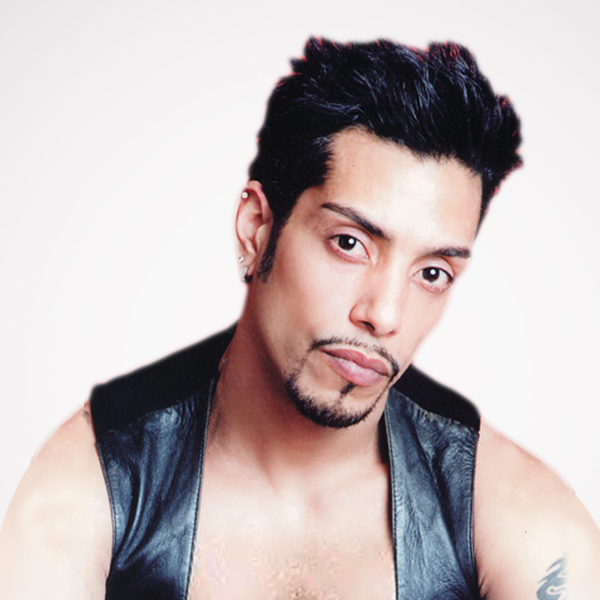
Coro
Coro is a Latin freestyle singer and actor of Cuban and Dominican heritage, who first had roles in numerous episodes of the star's hit television series, Miami Vice. While appearing on Vice, Coro struggled to put together a group to get his singing career off the ground. His first efforts never took off, but in 1987, Coro met Stevie B, who was enjoying the success of his first hit record and getting ready to tour. After a stint as a backup vocalist and dancer for Stevie B, the New York-born and Miami-raised Coro made the move back to his native Manhattan to initiate a solo singing career.
Coro partnered with freestyle music producers Zahid Tariq, Ziggy Gonzalez and Todd Terry in 1989,. Coro's first single, "Where Are You Tonight", became the #1 dance record hit in New York and Florida. The song reached the Top 25 on Billboard 's club chart and put Coro on the road doing shows in dance clubs across the country. On his self-titled debut album, Coro collaborated with producers Zahid Tariq and Ziggy Gonzalez to create a selection of uptempo dance tunes like "Can't Let You Go", "Where Are You tonight", "My Fallen Angel" and ballads such as "Missing You".
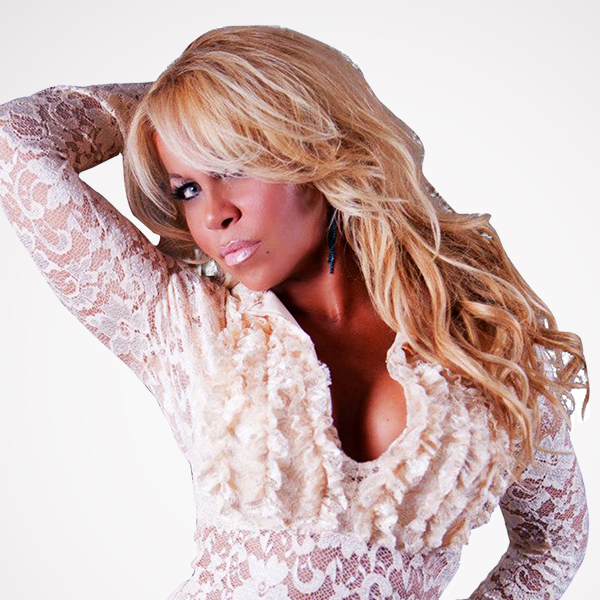
Fascination
Born as Elsie Rodriguez in The Bronx, New York, Fascination, has always dreamed that one day she would be a successful recording artist. With that in her mind, she studied music, drama, and dance. Her love for dancing is what actually gave Fascination her big break in the Freestyle business. She was discovered dancing up a storm at the Copacabana in New York City, where she was introduced to producer Todd Terry.
Fascination's first release, "Why Ya Wanna Go" under Vinylmania Records, was a huge success that it was later followed by another huge hit, "Don't You Think It's Time". After the success of her first two releases, Fascination was signed to Lumar Records. In 1990, "Remember" was released and hit Billboard's Dance charts which then led to a major endorsement deal with Coca-Cola. During the time "Freestyle Lives" was released, Fascination had just released her next single under Cutting Records entitled "Still Miss You", and is/was currently collecting material for her a future album.
Fascination can be seen throughout the New York, Chicago, and Miami Club seen doing all of her hits. With recent performances including Mohegan Sun, Resorts Casino in New York City, and more, Fascination is still making the club seen through North America move.

Judy Torres
Determined, is the best way to describe the beloved and enduring dance-pop singer, Judy Torres. Blessed with striking good looks, a powerful and flexible voice and the strength of mind and character achieve her goals, Judy Torres has beaten the odds that have worn down many of her '80s contemporaries. While many of the dance artists of the '80s have faded off into oblivion, Torres has expanded her goals to include not only a successful music career, but also musical theatre and a feature show on New York's highly regarded radio station, WKTU.
Torres began her career at the tender age of seventeen and set out with a tour de force via the vehicle entitled, No Reason to Cry, a freestyle classic. The album from which this track was taken, Love Story, firmly established Torres as a prominent figure in the dance/freestyle circles. Her follow-up, My Soul, showed a greater development of voice and focus of musical style. Love You for All Seasons pushed Torres into the mainstream to a receptive, but limited audience. Currently, Judy Torres is working on a new project, expanding her career aspirations and continuing to be a familiar face on the club performing circuit.
Brand Nubian
The Five Percent Nation of Islam was a popular inspiration for numerous thinking-man's rap groups during the early '90s, and Brand Nubian was arguably the finest of the more militant crop. Although they were strongly related to the Native Tongues posse in style and sound, they weren't technically members, and were less reserved about spotlighting their politics and religion. Their outspokenness led to controversy, on an even larger scale than similarly minded groups like the X-Clan or Poor Righteous Teachers, in part because Brand Nubian's sheer musicality made them so listenable regardless of what their messages were. The hoopla surrounding their aggressive Afrocentrism sometimes overshadowed the playful and positive sides of their work, as well as the undeniable virtuosity of lead MC Grand Puba's rhymes -- all showcased to best effect on their highly acclaimed debut, One for All.
Brand Nubian was formed in 1989 in the New York suburb of New Rochelle. Grand Puba (born Maxwell Dixon) had previously recorded with a group called Masters of Ceremony, and was joined by Sadat X (born Derek Murphy, originally dubbed Derek X), Lord Jamar (born Lorenzo DeChalus), and DJ Alamo (Murphy's cousin). The group signed with Elektra and released their debut album, All for One, in 1990. Most reviews were glowing, but the stronger rhetoric on the album -- especially the track "Drop the Bomb" -- drew fire from some quarters, including some white Elektra employees reluctant to promote what they saw as reverse racism. Ultimately, the uproar didn't really hurt Brand Nubian's career, but neither did it produce a wider hit with pop or R&B audiences, despite the high regard in which the singles "All for One," "Slow Down," and "Wake Up" are held. A far more serious blow was Grand Puba's departure from the group in late 1991, owing to tensions that had arisen over his handling the lion's share of the rapping. Not only did Brand Nubian lose their clear focal point and chief producer, they also lost DJ Alamo, who elected to continue working with Puba.
Puba released his solo debut, Reel to Reel, in 1992; meanwhile, Lord Jamar and Sadat X regrouped with DJ Sincere (born Terrence Perry) and issued In God We Trust in 1993. It sold fairly well, just missing the Top Ten on the R&B chart, and the single "Punks Jump up to Get Beat Down" was something of a hit, though it also drew fire for its anti-gay slurs. In Puba's absence, the pro-Islam rhetoric grew stronger, with more explicit support for the controversial Minister Louis Farrakhan. By the time of 1994's Everything Is Everything, they'd gotten downright dogmatic, and critics who'd previously defended the group now found them difficult to stomach, both lyrically and musically.
In the wake of the icy reception afforded Everything Is Everything, the remaining members of Brand Nubian drifted apart. Sadat X reunited with Grand Puba for "Play It Cool," a track on the latter's second solo album; Sadat also released his solo debut, Wild Cowboys, in 1996, and subsequently guested on records by a new wave of underground hip-hoppers. Lord Jamar, meanwhile, moved into production, and also landed a recurring role on HBO's prison drama Oz. In 1998, with a new alternative rap movement gaining prominence, the original four members of Brand Nubian reunited for the Arista album Foundation, which received highly positive reviews. Grand Puba and Sadat X both subsequently returned to their solo careers, but they returned with Jamar and Alamo for 2004's Fire in the Hole.
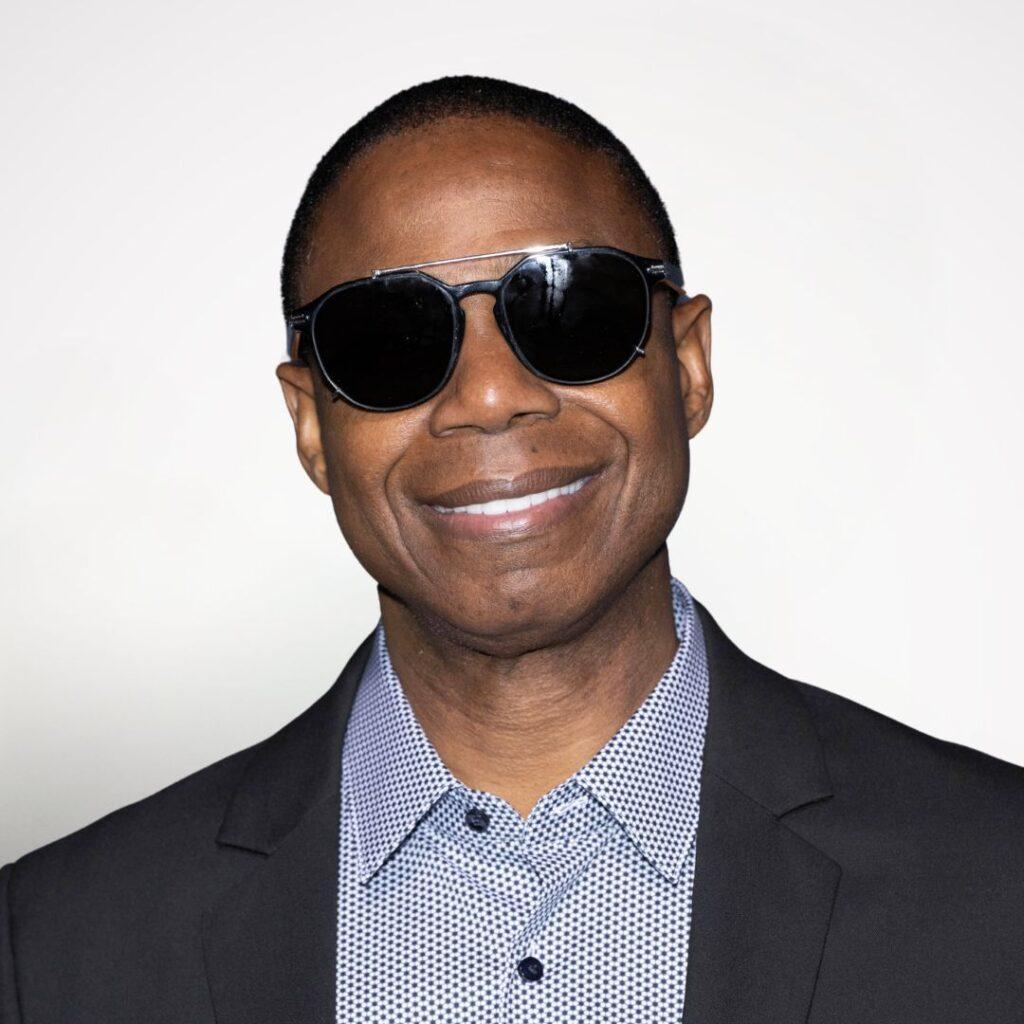
Doug E Fresh
The first human beatbox in the rap world, and still the best of all time, Doug E. Fresh amazed audiences with his note-perfect imitations of drum machines, effects, and often large samples of hip-hop classics. Fresh was born Doug E. Davis in Barbados, and his first appearance came in 1983 on a single for Spotlight called "Pass the Budda," with Spoonie Gee and DJ Spivey. His introduction to most hip-hop fans, though, came one year later with his astonishing performance in Beat Street behind the Treacherous Three. His first solo features also came in 1984, with "Just Having Fun," waxed for Enjoy, and "Original Human Beatbox" for Vinentertainment.
By 1985, Fresh was one of the biggest names in rap music, and his first single for Reality, "The Show/La Di Da Di," became a hip-hop classic. It was recorded with his Get Fresh Crew, including MC Ricky D (only later to gain fame as Slick Rick), along with Barry Bee and Chill Will. His first LP, 1987's Oh, My God!, featured most of his showpieces, like "Play This Only at Night" and "All the Way to Heaven," along with nods to reggae and even gospel. His second album, 1988's The World's Greatest Entertainer, broke into the Billboard charts thanks to another hot single, "Keep Risin' to the Top," but Slick Rick had already broken from the pack and his LP of the same year, The Great Adventures of Slick Rick, did much better than Doug E. Fresh. Fresh took a break and wasn't able to regain momentum with 1992's Doin' What I Gotta Do, released through MC Hammer's Bust It label. He did reunite on a Slick Rick LP, and recorded again in 1995 for Gee Street.
Grand Puba
He made his debut as Grand Puba Maxwell with the group Masters of Ceremony. Its album Dynamite (1988) was hailed by critics, but because of lack of sales the group soon disbanded and Puba became the lead emcee of Brand Nubian. After their debut album One for All (1990) — covering areas from reggae-influenced hip hop music to new jack swing — Puba left the group after disputes and began a solo career. Around 1997 he rejoined the group, recording a few tracks for various soundtracks leading up to the full-length album Foundation in 1998. In 1999, Grand Puba and Sadat X performed on the track "Once Again" on Handsome Boy Modeling School's concept album So... How's Your Girl? Following Brand Nubian's 2004 record Fire in the Hole, Grand Puba appeared on tracks with Beanie Sigel ("Bread and Butter," also featuring groupmate Sadat X), Missy Elliott ("My Struggles," featuring his onetime collaborator Mary J. Blige), and Ugly Duckling ("Something's Going Down Tonight").
In 2009, Grand Puba released his fourth solo album, Retroactive, featuring production from Q-Tip, Large Professor, Kid Capri as well as fellow Brand Nubians. Puba also appeared on the heavy posse cut "Fresh" together with Cormega, KRS-One, Big Daddy Kane, DJ Red Alert and Parrish Smith of EPMD.
On the song "Old School" by Tupac Shakur Grand Puba was sampled and used in the hook. The sample originates from Grand Puba's verse on the song "Dedication" by Brand Nubian.
Jim Jones
Joseph Guillermo Jones II (born July 15, 1976), better known by his stage name Jim Jones (or Jimmy Jones), is an American rapper and record executive. He was a member of the now-defunct hip-hop group the Diplomats (also known as Dipset), which he formed alongside fellow Harlem native Cam'ron in 1997.
Following the commercial success of the group's debut album, Diplomatic Immunity (2003), Jones self-released his debut solo album, On My Way to Church (2004), to moderate success. His second and third albums, Harlem: Diary of a Summer (2005) and Hustler's P.O.M.E. (Product of My Environment) (2006), both peaked within the top ten of the Billboard 200. The release of the former coincided with Jones's appointment as an A&R executive for Entertainment One Music (then known as Koch Records), while the latter was preceded by the single "We Fly High", which peaked at number five on the Billboard Hot 100, received platinum certification from the Recording Industry Association of America (RIAA), and led to Jones briefly signing with Columbia Records.
Jones' fourth album and only release by a major label, Pray IV Reign (2009), was met with continued success and spawned the single "Pop Champagne" (with Ron Browz featuring Juelz Santana), which peaked within the top 40 of the Billboard Hot 100. His fifth album, Capo (2011), was led by the pop rap single, "Perfect Day" (featuring Chink Santana). After a hiatus, he self-released his sixth and seventh studio albums, Wasted Talent (2018) and El Capo (2019).
Nice and Smooth
Nice & Smooth is an East Coast hip hop duo from New York City that consists of Gregory O. "Greg Nice" Mays (born May 30, 1969) and Darryl O. "Smooth B" Barnes (born August 4, 1965) plus their deejay Tedd "DJ Teddy Tedd" Whiting. The duo released four albums between 1989 and 1997. Their first collaborative appearance was on the single "Dope on a Rope"/"Skill Trade" on Strange Family Records in 1987. On the strength of that underground single they managed a guest spot on the song "Pimpin Ain't Easy" by Big Daddy Kane on his 1989 album It's a Big Daddy Thing.
Onyx
The group of early pioneering rap artists known as Onyx would get their start in the city of Brooklyn New York in the year of 1988. They would form an alliance with one another and begin recording beats and rhythms that were put to words in a new music genre that had begun taking the east coast cities by storm.
Rap, or hip hop, as it is also known, had started to take hold as an up and coming style of music shared by many in the more urban areas at the time although it has become a household genre of music of the present. After they would get their rhythm and style, the group would start recording their music in the late 1980’s and be one of the major contributors to the hip hop world of today.
The group would create their first single in 1990 called Ah, and WE Do It Like This, which was a jazzy album set to voice but was said to be nothing like what they would ever release in the future. The single would gain them radio play around the United States and would get name out to many. Also, they would begin doing performances in support of their singles as well as for the demos and EP’s that they had made along the way.
Not since the primal unified chants of 1992's potent "Throw your Gunz," has a group, so convincingly, been able to capture the raw rage of ghetto angst and translate It into a musical relevance for the world to see than Onyx. Started off in the chairs of a small Queens barber shop in '91, the beginnings of a new rejuvenated Hip-Hop renaissance were well underway. From collaborating on rhymes while cutting hair to battling potential contenders on line at such clubs as the Building and Red Zone, Onyx honed and developed their collective talents at every opportunity they had, a practice which eventually caught the discerning eye of the legendary Jam Master Jay.
Complete with an album's worth of material, Onyx were introduced to Jay and subsequently signed to a record single at JMJ Records, which extended to an EP, and ultimately led to the climactic producing of Bacdufucup Selling over two million copies, Onyx 's debut album forcefully grabbed the industry by its reigns and steered it Into new grounds of Hip-Hop potency. Receiving wide-spread industry adulation for their spirited and reveling music, Onyx captured Soul Train 's Best Rap Album honors that year by beating out Dr. Dre's would-be classic The Chronic and slamdancing themselves on stage to accept their award.
Riding the amazing success of Bacdafucup, Onyx spent the next two years on tour, showcasing their unparalleled and uncompromising energetic stage show for millions of newly-dedicated fans. Performing along side the likes of Hip-Hop greats such as KRS-ONE and Run-DMC, Onyx was quickly boosted into an elite level of stardom usually reserved for the most revered and tenured of artists. Overwhelmed by their newly-found fame and success, coming off the high of touring and being embraced around the world, the group felt the need to put things back into perspective. As Sonee explains: "The fast pace of the rap game had us all wild and not really thinking.
Right off the tour we came back and that's when you saw the realness around you again. We all had to sit back and think and get things clear." A realness which was captured in Onyx's introspective and dark follow-up gold album All We Got Iz Us. Manifested in the sophomore LP's first single "Last Days," a matured Onyx presented an ominous outlook at everyday reality that not only reflected the group's grounded perspective but provided for uncoated, hard-to-swallow truths throughout the industry. In between recording the second album, Onyx's charismatic panache and believable grittiness were recognized by outside industries as well, as the group's acting avenues began to flourish.
Aside from appearances by Sticky and Fredro in such major releases as HBO's "Strapped," and Spike Lee's "Clockers," Sticky was featured in the Hughes Brother's "Dead Presidents," while Fredro starred in the Rhea Pearlman/Danny De Vito directed "Sunset Park," as well as two fall seasons along side Brandy on UPN's successful sitcom " Moesha. " .
The group would release the album called All We Got Iz Us in 1995 and would be listed as the best rap album produced of that year according to VIBE magazine. The record did not fair commercially as well as their first but it would be claimed as generally successful in the total number of albums sold. Just before the release of the album, one of the original members would leave the group due to conflicting efforts of microphone time and the group would now consist of only two rappers.
After the album, the group would not release another record for quite some time although they would make some appearances in movies of the late 1990’s such as Sunset Park and Dead Presidents. Onyx returned in 1998 with their third album Shut ‘Em Down, which featured appearances from a then-unknown DMX, The Lost Boyz, Raekwon, Method Man, the late Big Pun, Noreaga and a then-unknown 50 Cent. This album found critical as well as commercial success. The underground scene loved the B-sides to the album and radio listeners liked songs such as “React” and the eponymous “Shut ‘em Down”, the latter featuring DMX. After Shut ‘Em Down, Onyx left Def Jam and temporarily split up for solo releases.
Both Sticky Fingaz and Fredro Starr released solo albums in late Spring 2001 gaining lukewarm success. They reunited in 2002 with Bacdafucup Part II released on Koch Records, where they released the song Slam Harder which was a sample of the show “Welcome back Kotter”. The song was basically welcoming them back. Followed by the 2003 release Triggernometry on D3 Entertainment. Both albums met with mediocre reviews and sales, but in a refreshing change from typical musicians, Onyx themselves admit to not liking both albums compared to their earlier releases and they actually tell their fans at live shows to not buy them. In other news, there has been a low-level argument between Onyx member Fredro Starr and 50 Cent. According to the Rap News Network, 50 Cent started a confrontation with Fredro Starr at the 2003 Vibe Awards. In a 2003 interview Fredro Starr explained, “50 Cent basically started shit with me, started a scuffle, and a bodyguard broke us up. He’s a punk. He’s disrespectful to Jam Master Jay ever since he passed. Fuck him. I’m doin shit with some ex G-Unit members now. 50 ain’t shit.” In an interview with the Source magazine, Fredro Starr said that 50 Cent had been disrespectful towards the Onyx rap group even though Onyx had given him his first breakthrough on a song called “React” from the 1998 album, Shut ‘Em Down.
In the summer of 2006 Fredro released a project known as Yung Onyx.
In June 2008, Onyx released their debut DVD: “Onyx: 15 Years of Videos, History and Violence”. The DVD contains every Onyx video digitally remastered with optional commentary, all solo videos, and over an hour of rare footage all the way back from 1992.
A new Onyx album, titled The Black Rock, was rumored for a 2006/2007 release but did not surface. Black Rock is now scheduled for a late 2009 or early 2010 release.
In late September 2009, members of Onyx expressed their contempt for the Black Keys work BlakRoc.
Onyx performed in August 2012 at the 13th annual Gathering of the Juggalos in Cave-in-Rock, Illinois. Onyx also performed in 2009 at the 10th annual Gathering of the Juggalos.
In August 2012, Onyx also released their first "new" album in years, titled "Cold Case Files: Vol 2". The album is unique in that it is only available from OnyxDomain.com; as the purchase is digital, all proceeds go to the group.
On October 31, 2012, Fresh from touring overseas, ONYX released the Official Video on YouTube from their first single off of the new album "CUZO" entitled, "BELLY OF THE BEAST". The Video Was Directed by: @KevinKJJohnson and featured on MusikReform.com
In 2013, they were featured on fellow American rapper ASAP Ferg's debut studio album, Trap Lord.
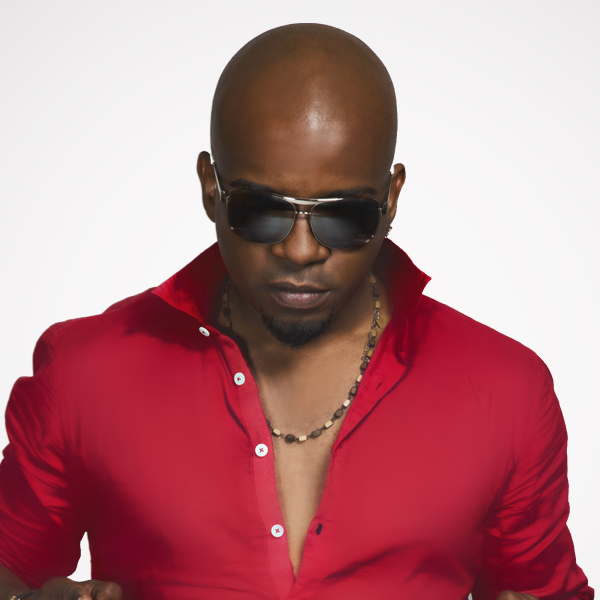
Fulanito
Ever since Rafael Vargas,aka DOSE, aka FULANITO, introduced his first international hit " Do What You Want" in 1989, he has been doing just that when it comest o his music and lyrics. While growing up in Washington Heights in New York City, DOSE was influenced by all the great music and culture the 80's had to offer. As a teen living in a Dominican household and neighborhood, Merengue, Salsa and Spanish ballads were the sounds that dominated the airwaves at home and at family gatherings. Though disinterested in Latin rhythms at the time, all that music his mother, aunts and uncles listened and danced to would later play a vital role in his career. But the sounds he really enjoyed and pumped in his boom box and walkman, were the urban sounds of Freestyle, House and Hip hop. Artists like Run DMC, L.L Cool J, Eric B and Rakim, Mantronix and Boogie Down Productions were his influences.
Throughout his 20-plus years in the music biz, Rafael has enjoyed fusing all the different types of music genres he grew up with and making it his own. In 1990 he joined forces with DJ and remixer Roger Pauletta and Cutting Records CEO Aldo Marin and formed a group called 2 In A Room. They put together a groundbreaking Dance Hip hop album consisting of hits like "Do What You Want, She Got Me Going Crazy and Wiggle It (just a little bit) just to name a few. "Wiggle It" reached #1 on the dance Billboard charts and went to become one of the most successful singles of 1990 in addition to reaching Platinum and Gold status in the U.S and the rest of the world. Then in 1994, under the 2 In A Room name DOSE teamed up with the super producing team of Danny and Victor Vargas (of "Wepaman" fame) and a friend from high school named Elvin Ovalles (Floodlight) and created the International Latin Hip house smash hit called "El Trago" from the "World Party" Album.
By 1995 Rafael partnered up with a Bronx producer and engineer named Winston Rosa and formed the 740 Boyz. Together they recorded the Gold selling worldwide dance classic titled "Shimmy Shake" that was brilliantly remixed by Mixmaster Constantino Padovano and led to many live performances with audiences from Russia and all throughout Europe, Africa and Mexico dancing to his catchy tunes.
By the end of 1997, with a strong desire to tap into their Latin Roots, Winston and DOSE produced the iconic "El Hombre Mas Famoso De La Tierra" CD under the name of Fulanito with the assistance of the legendary Dominican accordionist Arsenio De La Rosa. This worldwide platinum selling CD, consisting of Merengue Hip hop groundbreaking party starting classics such as "Guallando”, “El Cepillo” and “La Novela", has proven to still be DJ essentials for nearly 20 years now. Then right about the turn of the millenium, FULANITO followed up with the gold selling, Grammy nominated "El Padrino" CD, which churned out classics like "Quien Es Fulanito”, “Chillando Goma”, “Mi Con Con” and “Serenata Negra" which were featured in the John Singleton directed blockbuster movie "Shaft".
In 2000, DOSE and the boys earned prestigious awards in the Latin entertainment forum, winning a "Premio Cassandra", "Premio A.C.E" and performing at Chile's Festival De Vina Del Mar, where they earned the prestigious "Gaviota Award", confirming his place among Latin music's elite artists. In early 2001 Fulanito released a remix CD which included a Reggaeton club banger called "Take It Off" that had all them boys and girls grinding on dance floors throughout the U.S . He later released "Americanizao", which produced such hits as "Callate", "Asi Es Que Vivo Yo", "El Generalisimo" and "Pecho a Pechuga".
In 2007 "Dose"enlists the production team of Guary y Cleyton to work on the critically acclaimed and Grammy nominated "Vacaneria" CD which featured such artists as Tony Tun Tun, Kevin Ceballo, Truko and Magic Juan. With tracks like "Mira”, “Ajena” and “Dejalo Ahi”, which featured La Banda Gorda, "Vacaneria" has proven to be some of Rafael's best work to date.

Kali Mete
Since running around his hometown of Azua, south of the Dominican Republic, Ramfis Reyes stood out for sustained energy.
At age 5 he moved to live in Santo Domingo, he called the attention and sympathy of European and North American tourists he attended, collecting tennis balls on the court of the five-star Dominican Concorde hotel.
His talent for playing tennis manifested on the court and, at age 14, he was already competing in local tournaments. At 17 he was # 1 in the national ranking after winning his first tennis champion title in the Dominican Republic.
By then, he was so skinny that he was identified with Kalimete's nickname since he was as thin as a sorbet or "Straw."
The Dominican tennis champion became a member of All Star or national team and participated, represented in the Dominican Republic, in various international tournaments. Thus, it became included in the world ranking of youth category by the International Tennis Federation (ITF).
The ceiling of its market value would come with the exclusivity contract made by Nike as an instructor of the Nike camps.
Universities and colleges in the USA were interested in Ramfis Reyes and became a professional tennis instruction technician. The word of mouth of his quality as an instructor led him to be the coach of Serena and Venus Williams who, at present, are one of the most successful players in world tennis.
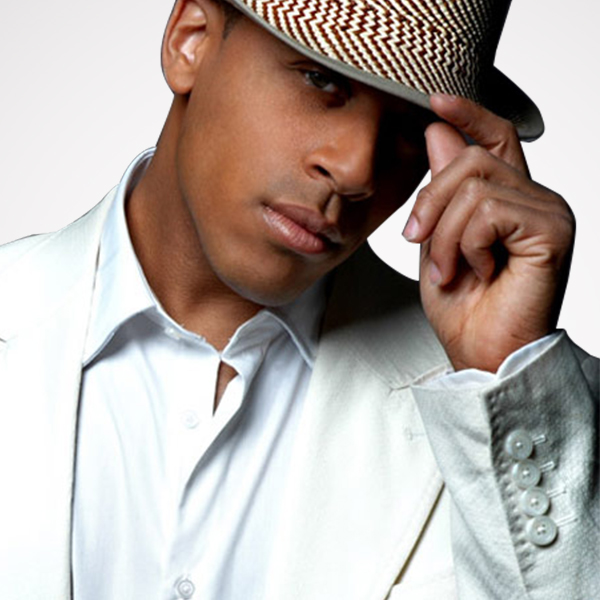
Notch
Notch was one of the Former lead vocalist and one of the creative force behind the Reggae-Hip-Hop duo Born Jamericans; the dynamic group that is often said, to be one of the pioneers to introduce Reggae to mainstream American in the late nineties; thru that time period til now He has shared headline billing on sold-out tours around the world with the likes of Destiny’s Child, Snoop Dogg, Sean Paul, Rabanes, Daddy Yankee, Tego Calderon, Don Omar, Beenie Man, Shaggy, Shabby Ranks, just to name a few.
When the group parted ways, NOTCH wasted no time to continue to keep on being creative and wasn’t long after he regained recognition atop of the charts with the reggae hit “Nuttin Nuh Go So” on the Buy Out Riddim and created a few Latin notables Spanish fused smash hits where NOTCH created a lane that was a common sound between riddim and ritmo andconsistently managed to stamp his mark on the Billboard charts; with the electrifying Spatoinglish fusion Reggaeton classic anthem song “Hay Que Bueno” which is featured on the Chosen Few Compilation – El Documental, he can also be heard on the mexican fused Banda-Latin Hip-Hop track “San Pedro” on Daddy Yankee’s multi-platinum Barrio Fino album, he also teamed up with Sony Norte’s Reggaeton artist Voltio on the smashing hit “Chevere” which is featured on Voltio’s last album Voltage, and Notch appeared in the Jenifer Lopez produced and Omarion movie called “Feel the Noise” performing the song in the ending scene. Born into a family of different cultures; Jamaican, Latin, Portuguese, Scottish, Native American and African American descents, NOTCH’s sound is definitely a musical reflection of his own eclectic multi-cultural background, as well as an artistic evolution where he masterfully fuses genres of music, such as Reggae, Latin, Alternative, Reggaeton, R&B, and Pop to create a sound that is loved and appreciated by everyone. His music introduces a new generation to Spatoinglish a unique combination of Spanish, Patoi (the Jamaican Dialect) and English. This fusion of music has earned him constant airplay and positioned him atop of various urban radio stations; his sound is now building bridges between Caribbean, Latin America, and the USA; crossing into traditional programming lines and connecting with broad audiences in many diverse and urban markets. With the released his solo album “Raised by the People”, debuted #4 on the Billboards Reggae Chart and was also named Billboards the #14th bestselling Reggae Album in 2008. NOTCH drew us closer to him as a multi-dimensional vocalist, taking us on a musical voyage through the limitless universe of music and connecting his fans worldwide with music they can associate with their cultural lifestyles. “Raised by the People” is a multicultural melting pot; it flows from Reggae without the slightest friction and off course Reggaeton to R&B. In “Hay Que Bueno”, “Dale Patra” and “Guaya Guaya” you can hear the clear sounds of Reggae meets Reggaeton; Jah Mexi Cali, Bun Out Bad Mind and No Problema is a clearly the purist Reggae beats,as catchy as its lyrics are melancholic; On “Layaway Love” and Rosalinda NOTCH showcases the R&B side of him. “Ella se fue” shows the latin jazz influence side of him. And the reggae fused merengue song “Que Te Pica” is one of Zumba Fitness stapled anthem records in any Zumba fitness class worldwide. The strong finisher, classic song “Verme” which is featured by Reggaeton producer duo “Luney Tunes & Baby Ranks” compilation called Mas Flow 2 was one of the first tropical Latin fused with a hint of soca feel track that became a Latin crowds favorite up until today.
Not wanting to limit himself to just doing solo album projects, NOTCH has consistently managed to stamp his mark on the Billboard charts by collaborating with various artist; The most notable,NOTCH was the front man on the Thievery Corporations song “The Richest Man in Babylon” which debuted on the #100 on Billboard 200 charts and was invited to perform the song on NBCs late night talk show Late Night with Conan O’Brien. He once again lends his voice to two other Thievery albums “The Cosmic Game” and “Radio Retaliation”. Tapping into his dancehall roots, NOTCH delivery one of the best songs on the classic dancehall riddim “Buy Out Riddim” popularly known as the riddim for Sean Paul song “Like Glue”. He can also be heard on Grammy Award winner Beenie Man’s released album, on the track titled “Pure Pretty Gal”, produced by Tony Kelly and on the Kopa Riddim. From Jazz to Alternative, he has worked with Brand New Heavies on an unreleased track their jazzy rare groove Brazilian Portuguese rhythm “Carnival”, with Alternative Rock group, long beach dub all stars former members of “Sublime” on their unreleased song “Open Road” and he teamed up with the hot Columbian group Cyclon and Sergio Sir George who is known for working with Latin vocalist Marc Anthony and the late great Celia Cruz, on the Urban Viallenato (Tropical fused) song Estoy Pegao. One of NOTCH’s unreleased song “Wepa” was aired on NBC’s hit TV shows Third Watch and ER. So what’snext for NOTCH: oddly enough, Notch has been invited on various unreleased hip hop track for one of Busta Ryhmes next project produced by Tony Kelly and appeared on a collaboration with on the rise Fallen soldier Bronx hip hop native French Montana stable mate “Chinx Drugz” & Brooklyn’s own “Maino” on a Stripper theme hip hop record. Still on his quest to explore his once Latin direction & evolution, NOTCH has been busy collaborating with one of Spain’s biggest urban Latin artiste Juan Magan on the reggaeton/mambo song “Chica Latina”. He also can be heard on the song “Fiesta Animal” with Latin Grammy Award-winning Afro-Colombian hip-hop group Chocquibtown, the song appears on the group’s recent album El Mismo. NOTCH also recently team up with Jamaican producer Kurt Riley to record his own Latin/Reggae fused song “Fiesta” as part of the Soca/Latin fused “Jambien Riddim”. This song is already creating a buzz and was recently used as background music for an ESPN Sport Center broadcast. In his own words NOTCH sums it up by saying “I have been blessed to be able to do what I love to do, so I will continue to enjoy this musical journey that I embarked upon years ago; whether I am performing in front of an audience or having my music be a part of this online digital music space, I will create music tha tdefies the outer limits and boundaries of traditional music,bringing to my fansand music lovers worldwide, music that they all can associate with their diverse cultural background and lifestyle”.

Rayvon
Brooklyn-raised Rayvon has garnered this success and more while affectionately being dubbed the “ambassador of hip-hop reggae.” Having shared the stage with monolithic icons The Rolling Stones and Michael Jackson his pop-infused Caribbean flavor has paved the way for the next generation of Barbadian recording artists such as Rihanna, Shontelle, and Jaicko. Rayvon’s eponymous third album. Rayvon features track work from heavyweights such as Jah Snowcone (Sean Paul, Vybz Kartel) as well as the production prowess of Danny Champagne, Ali Cat, and Carl “Beaver” Henderson.
The first single “Back it Up” is a hard-edged pulsating groove that have guys jumping and ladies gyrating. From “Hustle and Flow” to the pop reggae lilt of “Wedding Song,” the album result is an explosive collection of sonic heavy hitters (“Riding Skill”), Euro dance (“Private Dancer”), and his patented brand of hip-hop reggae (“Get Money,” “Bang Bang”). To date, “Back It Up” has garnered Rayvon an International Association of Independent Recording Artists (IAIRA) award and ranked in at No. 1 on Indie-Music.com’s top 25 for 2011. The second single “One N Only” is swiftly giving chase at No. 2.
Rayvon is probably best known for his work with multi-platinum selling vocalist Shaggy. The two began collaborating on a string of tunes in the 90’s which culminated in the Sting Int’l produced regional hit “Big Up.” Rayvon says, “We both got our break with that record. It put us in the reggae/dancehall spotlight. I had a smooth-edged style of singing and he had that rough DJ style. The chemistry was amazing.” Rayvon was also featured covering The Melodians’ classic “Rivers of Babylon” on the B-side of Shaggy’s 1993 hit “Oh Carolina”
The following year Rayvon’s solo star began to brighten with the release of his hip-hop reggae classic “No Guns, No Murder” (produced by Funkmaster Flex) on the venerable VP Records. The track hit a trifecta on Billboard, ranking in simultaneously on the Hot 100, Rap Singles, and R&B/ Hip-Hop Songs charts. VP issued the follow up “Pretty (Before I go To Bed),” which quickly impacted the Billboard’s Rap Singles chart. Rayvons’ career trajectory accelerated in 1995 when he recorded the island-tinged duet “In The Summertime” from Shaggy’s platinum, Grammy award-winning album Boombastic. The song was a cover of Mungo Jerry’s 1970 hit and following in its original success Shaggy’s version with the help of Rayvon reached No. 3 on Billboard’s Hot 100 and No. 5 in the UK while also featured in various major motion pictures and television series.
Rayvon spent the next few years diligently releasing underground singles including “Bashment Party,” which positioned itself on Billboard’s Rap Singles chart. In 2001 he lent his vocals to yet another smash Shaggy duet, “Angel,” from the 6x Platinum seller Hotshot. This time, the duo topped Billboard’s Hot 100 and took home an American Music Award for the wildly successful tune. Rayvon appeared with Shaggy in the national spotlight on shows like Live w/ Regis & Kelly, Saturday Night Live, Jay Leno, David Letterman and All My Children. The song has since clocked in at 18 million views on YouTube and has been certified gold and platinum around the world. Rayvon says, “People have grown up with the classic songs I’ve done over the years. People want to hear Reggae because it’s feel good music. Feel good music will never die.”
Rayvon previously released two solo albums including Hear My Cry (Virgin Records 1997) and My Bad (Big Yard Music/MCA Records 2002). Though hopes were high for his impressive debut album, it largely hovered under the radar in a whirlpool of label politics. “I came out in a year where it was like a small dog among big dog. Virgin released albums by UB40, Janet Jackson, Rolling Stones, and the Spice Girls that same year. I was caught in that whole whirlwind.” The release of “2-Way” off the sophomore effort reached No. 10 on BET’s 106 & Park countdown and chimed in on Billboard’s R&B/ Hip-Hop Songs chart. The title track “My Bad” stands at 84 thousand views on YouTube, featured a cameo from cohort Shaggy and boasted No. 1 at Top 40 Radio for four weeks.
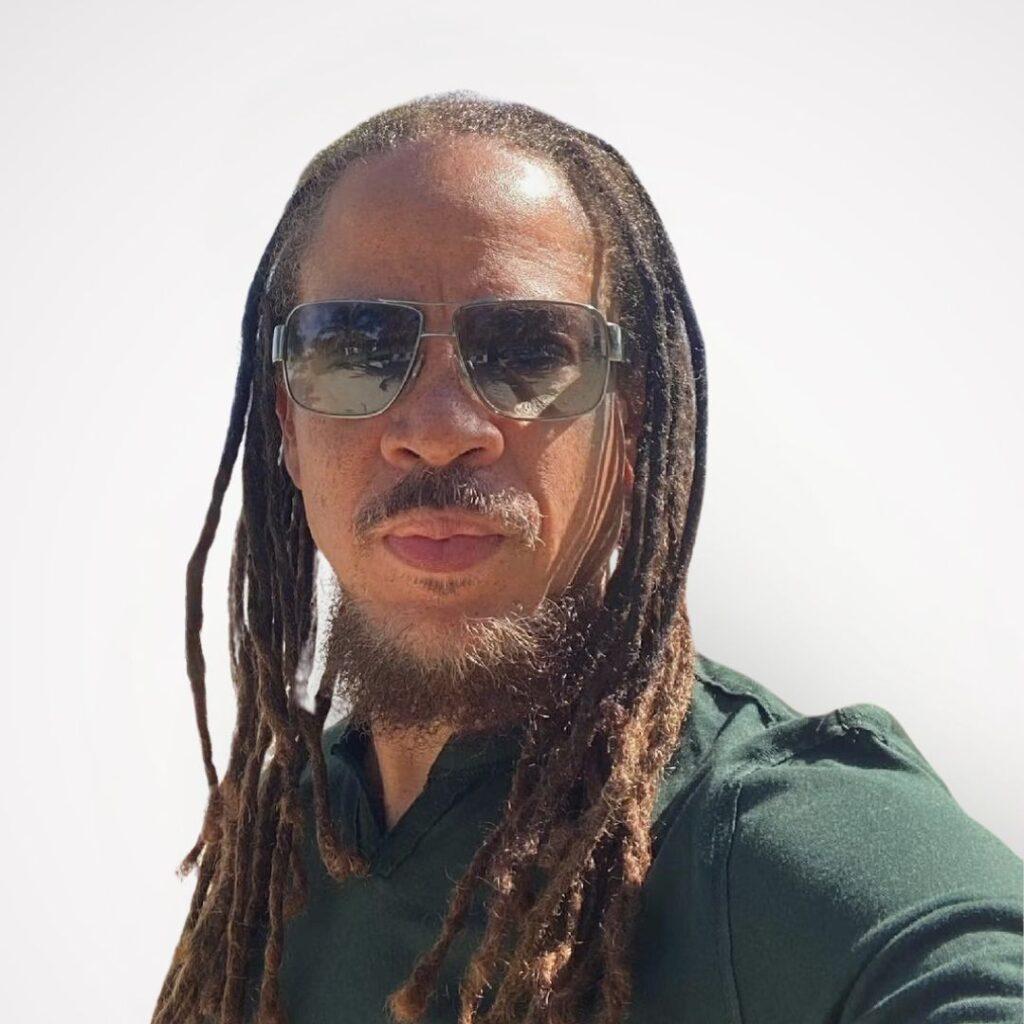
Red Fox
Gareth Shelton a.k.a Red Fox was born and raised in St. Catherine, Jamaica West Indies. Red Fox attended St. Catherine High School (?STCHS?) and concentrated his studies in the mechanical engineering field. While attending STCHS, Red fox honed is lyrical skills by performing at numerous concerts and parties held at the school as well as entertaining and impressing his friends and classmates with his flawless and creative lyrical delivery similar to that of his idol King Yellowman. However, prior to his graduation he migrated to the United States in 1986 and resided in Brooklyn New York where he started his professional career recording for Peter Mckensie a veteran dancehall producer and owner of an independent label called FM Force. It only took a few months for the Fox to make his mark in the dancehall releasing songs like "Come Boogie Down" in 1988 and one of his signature tunes Down in Jamaica in 1989. His brother-in-law "Stress Altimus" was very interested in the guidance of the up and coming star and made a link with a Disc Jockey known as "Sting International. Performing almost every weekend at the infamous Underground night Club hosted by David Levy, Fox began to cross over big time into the hip hop market. Red Fox and Sting began working with independent labels such as "Signet records" and "Tanya" where he made the classic "Pose Off in Yuh Pum Pum shorts" with dancehall genius Screechy Dan. Red Fox then helped to form the first dancehall group The "RUFF ENTRY Crew with other Djs like Screechy Dan, Bajja Jedd, Rayvon, Nikey Fungus, Mr. Easy, Natural Lee and last but definitely not least, Mr. Lover Lover Shaggy. At such a tender age, Red Fox was laying the blue print for the foundation of future and current Dancehall and Reggae artist. He toured constantly and was a staple act every major club in the New York area including the legendary Act III, Underground, Bentley's, Red Zone, Biltmore Ballroom, Village Hut, Q-Club, Reggae Lunge, In addition to performing at these legendary clubs, Red Fox was the most requested dancehall artist to perform at the major universities in New York and across the United States. His Ruff Entry crew with the likes of Screechy Don, Rayvon and Shaggy constantly rocked the crowd with their numerous hits and high-energetic gyrating performances. It was only a matter of time before the majors got interested in the rising star. Joe Mignon a friend of his brother-in-law introduced Fox to a booking agent known as Erskine Issac. Erkine began managing the young dancehall star and booked him on various shows with the red hot Shabba Ranks, Super Cat, R & B and Hip Hop acts such as the legendary rap group Brand Nubien. In 1990 Red Fox has made history by becoming the first dancehall artiste to perform on the Jay Leno Show on National Broadcasting Corporation (NBC) with the legendary Wailing Souls. In 1993 Red Fox finally had made an indelible mark not only for himself but also for his Ruff Entry Crew and for all future dancehall artiste by signing a lucrative deal a major record label called Elecktra Records making him the first dancehall artist ever to be sign out of New York. His debut album As A Matter of Fox helped to bridge the gap with Dancehall and Hip Hop featuring such tracks as "Dem a Murderer,", "I'm Gonna Take You Home," the gospel sound (years before beanie manmade the dancehall gospel sound a hit in 1998's "Gospel Time") of "Ghetto Gospel," and the icky C&C Music Factory pop dance sound of "Golden Axe." and the smooth "Hey! Mr. Rude Bwoy," featuring rappers Brand Nubian (sans Grand Puba). He then followed up with Face The Fox on VP Records. In 2005 Alicia Keys and Red Fox Reggae remix duet of "If I Ain't Got You" peaked at #4 on the NY Reggae Singles Charts after just 6 short weeks and then spent the rest of the summer blasting out on the airwaves on stations like Hot 97, WBLS, and Link-Up radio. Red Fox has release numerous hit singles on various independent labels including Bashment Party with Rayvon which was ranked in the top dancehall charts and is still a party favorite in the clubs. Red Fox has been on tour for the last seven years with Maxi Priest in Brazil, Japan, Canada, Australia, Africa, Europe etc. In August 2006 at the inaugrural return of Jamaica's infamous summer festival Reggae, Red Fox return to his roots and performed on International Night with a solo performance then with Maxi Priest. Currently, Red Fox is completing the US-Based Reggae Sunsplash Tour with UB40, Maxi Priest, Third World, Rik Rok and others. Additionally, Red Fox is currently working on his third album which is temporarily called The Charm. Some artist just gets better wid time and Red Fox is definitely one a dem. Watch out people! Di Fox deh pon di Prowl. Mr. Dapper Slap.
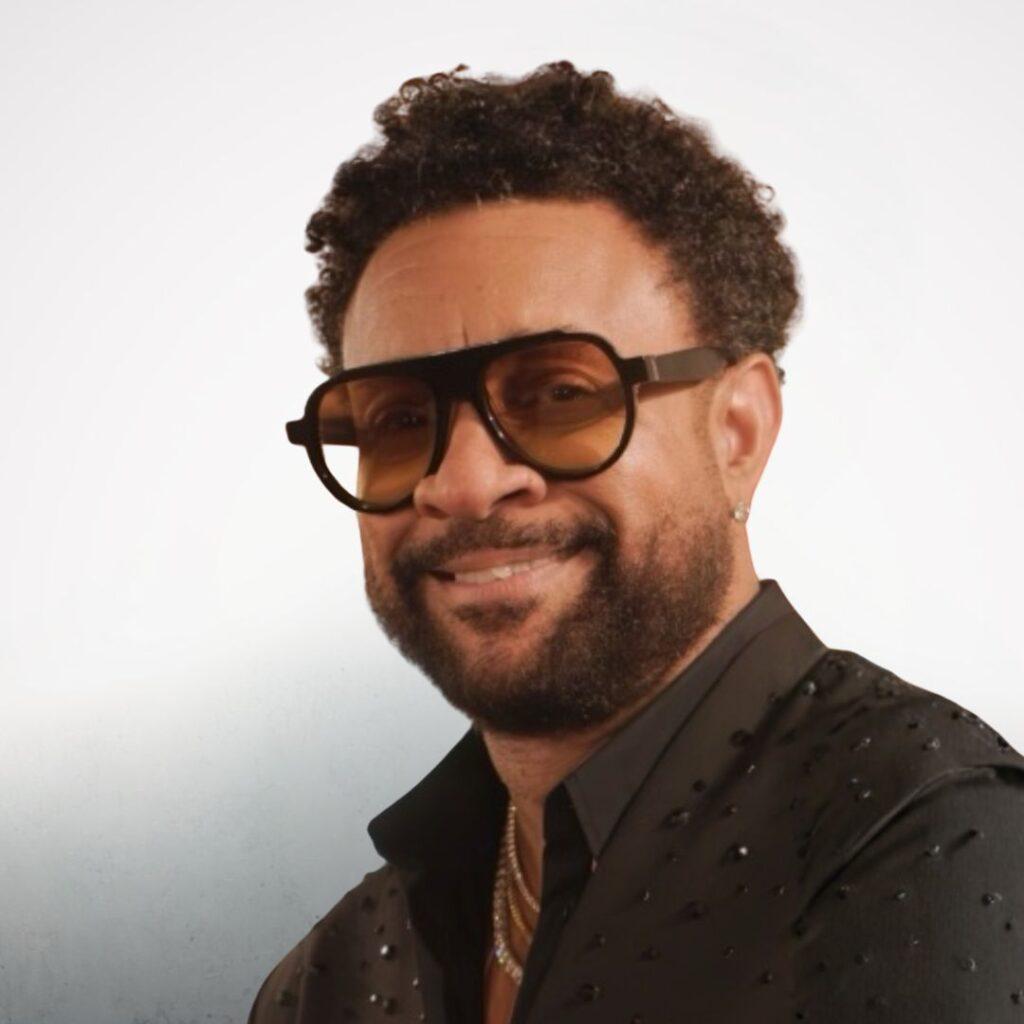
Shaggy
Shaggy emerged in the early '90s as the biggest crossover success in dancehall reggae. Not only did he become the genre's most commercially potent artist in the international market, he managed to sustain a lasting career over the coming decade thanks to wildly popular albums like 1995's breakout Boombastic (featuring the chart-topping singe of the same name) and 2000's multi-platinum Hot Shot. Perhaps in part because he wasn't based in Jamaica, he never really needed to have it both ways; virtually ignoring the hardcore dancehall crowd, Shaggy's music was initially geared toward good times, a friendly (if horny) persona, and catchy party anthems. While he wasn't shy about lifting hooks wholesale from pop hits of the past, he also had fairly eclectic tastes, giving his records a musical variety lacking from other dancehall stars. As a result, Shaggy became one of the scant few reggae artists to top the album and pop singles charts in America, not to mention numerous other countries where he's had even greater success. His approach seemed to work and he remained both busy and relevant heading into the next decade, landing another major hit with "Church Heathen" from his 2009 album Intoxication and continuing to nurture his collaborative spirit, recording with friends like Rayvon and RikRok as well as releasing an album with the legendary Sly & Robbie in 2013's Out of Many, One Music. In another unusual crossover, he collaborated with Sting on the 2018 duo album 44/876, before returning to solo work with 2019's Wah Gwaan?!
Shaggy was born Orville Richard Burrell on October 22, 1968, in Kingston, Jamaica, and was nicknamed after the Scooby-Doo character. At age 18, he joined his mother in the Flatbush area of Brooklyn, New York, and soon began performing with the local Jamaican-style sound system Gibraltar Musik. A steady income proved to be a more pressing matter, however, and in 1988 Shaggy joined the Marines. Stationed at Camp Lejeune in North Carolina, he continued to pursue music in his free time, and often made the drive back to New York for recording sessions. He cut his first single, "Man a Mi Yard" b/w "Bullet Proof Buddy," at age 20 for producer Don One's own small label; for the follow-up, "Big Hood" b/w "Duppy or Uglyman," he worked with producer Lloyd "Spiderman" Campbell.
Shaggy's most important connection, however, proved to be radio DJ/studio engineer Sting (born Shaun Pizzonia), who got him a gig cutting dubplates at Phillip Smart's studio. One of those records, "Mampie," became a huge hit among New York reggae fans; its follow-up, "Big Up," was even more popular locally, and marked the first of several duets with Brooklyn singer Rayvon. However, Shaggy still had obligations to the military, and his budding career was interrupted by Operation Desert Storm in 1991; he was sent to Kuwait for a five-month tour of duty. After returning to Camp Lejeune, Shaggy resumed his sessions in New York, and waxed a cover of the Folkes Brothers' ska hit "Oh Carolina." Originally recorded for Prince Buster's label, the song was given a modern dancehall update complete with a prominent "Peter Gunn" sample. At first, "Oh Carolina" was simply another local hit, but thanks to some overseas promotion, it was picked up for release in the U.K. by Greensleeves in late 1992. It was an instant smash, vaulting all the way to the top of the British pop charts early the next year and doing the same in several other European countries.
"Oh Carolina" wasn't as big a hit in the U.S., where it stalled in the lower half of the charts, despite its inclusion on the hit soundtrack to the Sharon Stone film Sliver. Furthermore, its follow-up singles, the tongue-in-cheek gospel of "Soon Be Done" and the jazzy "Nice and Lovely," failed to duplicate its success. Nonetheless, the overseas success of "Oh Carolina," coupled with the high-profile Maxi Priest duet "One More Chance," was enough to land Shaggy a lucrative deal with Virgin Records. His debut album, Pure Pleasure, was released in 1993, and included many of his recent singles; the following year, Greensleeves issued a collection called Original Doberman, which covered many of his earliest recordings.
Now firmly a star in Europe, Shaggy went on to conquer the U.S. with his next album, 1995's Boombastic. The title track was an inescapable hit, selling over a million copies; it reached number three on the pop charts and number one on the R&B charts, and also became his second U.K. chart-topper. "In the Summertime," the flip side of the American single release of "Boombastic," climbed into the U.K. Top Five as a follow-up. Meanwhile, the album went platinum, nearly reaching the R&B Top Ten, and spent a full year at number one on Billboard's reggae album chart; it also won a Grammy for Best Reggae Album. A third single, "Why You Treat Me So Bad," featured guest rapper Grand Puba and nearly reached the British Top Ten in 1996 but failed to make much of an impact stateside.
Shaggy followed his breakout success with an extensive world tour, consolidating his European following, and recorded a hit duet with Maxi Priest, "That Girl," in 1996. He returned to solo action in 1997 with the Midnite Lover album. The first single, a dancehall version of Big Brother & the Holding Company's "Piece of My Heart" featuring duet partner Marsha, was a relative flop in the U.S., though it had some international success. Similarly, the album was a commercial disappointment, and Virgin, assuming that Shaggy's moment had passed (as it quickly had for many of dancehall's crossover hitmakers), dropped him from its roster.
Undaunted, Shaggy turned to movie soundtracks to keep his name in the public eye. He appeared on a minor hit duet with Janet Jackson, "Luv Me, Luv Me," from the soundtrack of How Stella Got Her Groove Back in 1998, and followed it by contributing the solo cut "Hope" to For Love of the Game in 1999. By this time, Shaggy was able to land a new deal with MCA, and he rewarded them with one of the biggest-selling reggae albums ever. Released in 2000, Hot Shot started off slowly as its lead single, "Dance and Shout," flopped in the States. However, a radio DJ in Hawaii downloaded the track "It Wasn't Me" (featuring Rik Rok) from Napster and began playing it on his show. Soon it was a national hit, rocketing up the pop charts and hitting number one in early 2001; naturally, it did likewise in the U.K. and many other European countries. Its follow-up, "Angel" -- a rewrite of the country hit "Angel of the Morning," featuring Rayvon on vocals -- also went straight to number one in the U.S. and U.K. Hot Shot, meanwhile, spent six weeks at number one on the album charts and eventually sold over six million copies in the U.S. alone -- an almost unheard-of figure for a reggae release.
While Shaggy prepared his follow-up album, more pieces of product hit the market in 2002: Virgin put out Mr. Lover Lover: The Best of Shaggy, Vol. 1, a compilation covering his years at the label, while MCA issued a remix album, Hot Shot Ultramix. Before the end of the year, Shaggy released his new album, Lucky Day, which was loosely designed as a respectful tribute to womankind. Its first two singles, "Hey Sexy Lady" and "Strength of a Woman," didn't fare well in the U.S., but the album sold respectably well, going gold by year's end and charting in the Top 30 on both the pop and R&B listings. In 2005, he returned with Clothes Drop, this time on the Geffen label. Early in 2007, his "Church Heathen" single began dominating the dancehall scene thanks in part to its video starring the legendary Ninjaman as a priest. The big hit single landed on Shaggy's album Intoxication, released that same year.
His ninth album, 2011's digital-only Shaggy & Friends, saw the singer collaborating with longtime pals Rayvon and RikRok, among others. A new EP, Summer in Kingston, was issued just a few months later, yielding the hit single "Sugarcane." Following a European release of what was essentially a repackaged Summer in Kingston called Rise, Shaggy revealed that he'd been collaborating with legendary producers Sly & Robbie on a new project. The resulting album, Out of Many, One Music, was released in the summer of 2013. The collaborative single "Habibi (I Need Your Love)" featured a multicultural team of Shaggy, Swedish-Congolese singer Mohambi, Australian-Lebanese singer/songwriter Faydee, and Romanian singer/songwriter Costi. Sung in English, Arabic, and Spanish, the song reached number 66 on the Billboard 100 in 2015.
The diverse collaborations continued over the next year, as Shaggy appeared with Kylie Minogue, Fernando Garibay, and Mylène Farmer. Another high-profile collaboration arrived in 2018, this time with Sting. The duo issued their first single, "Don't Make Me Wait," which was included on their LP 44/876. The following year, Shaggy released the solo album Wah Gwaan?!, which featured guest spots from Jason Derulo, Nicki Jam, Shenseea, and others. Included on the album were the singles "Use Me" and "You," featuring Toronto singer Alexander Stewart.
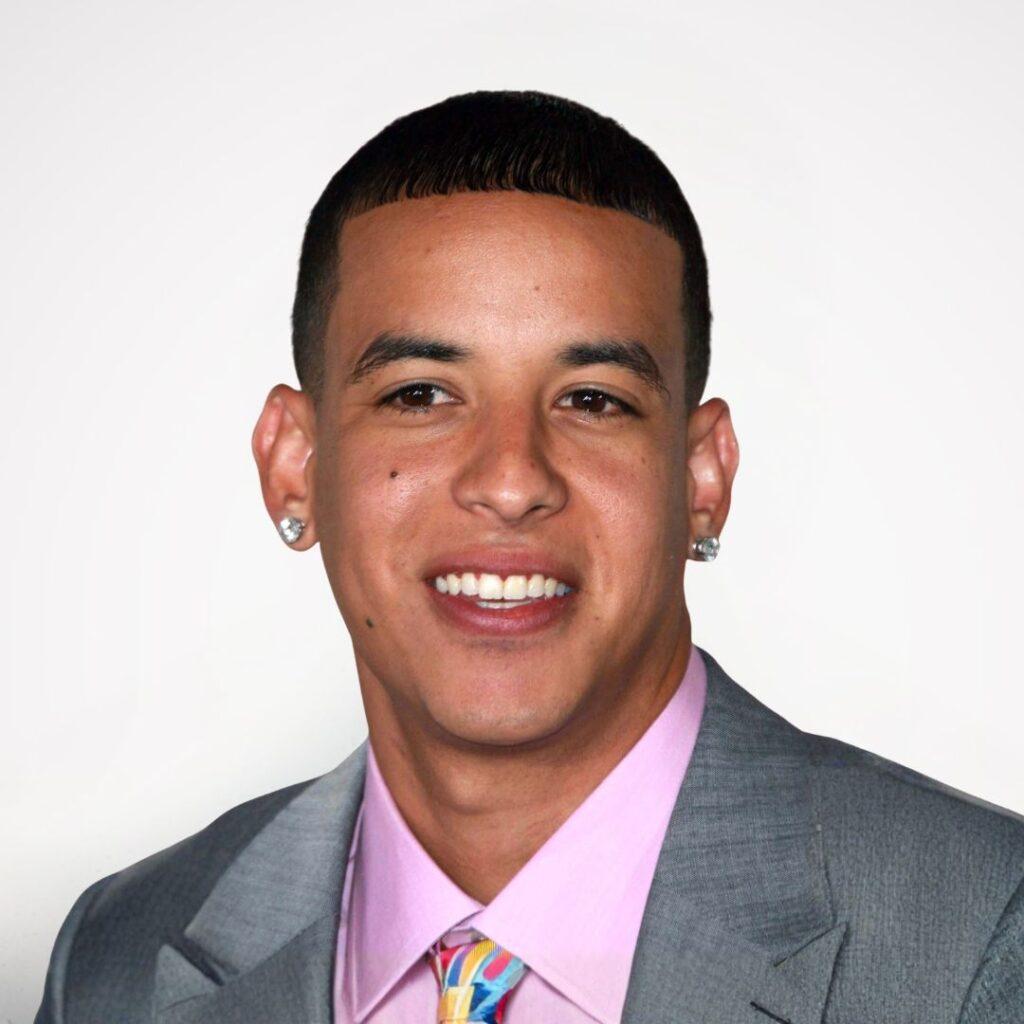
Daddy Yankee
A multi-award-winning Puerto Rican singer and songwriter, Daddy Yankee is considered one of the pioneers of reggaetón and famously collaborated with Luis Fonsi on 2017’s pop song/crossover juggernaut, “Despacito.”
Native Puerto Rican Ramón Luis Ayala Rodríguez (born February 3, 1977), better known by the stage name Daddy Yankee, was something of a performing prodigy: He began rhyming and singing when he was 13 years old and became part of the underground rap scene in its early stages in Puerto Rico. He also formed his own record label, El Cartel Records, in 1997, when he was only 21. In 2004, he released Barrio Fino, which became his mainstream breakthrough album. Fueled by the international hit single "Gasolina," it is considered to be one of the best full-length albums ever released in this emerging musical genre.
In 2006, Time Magazine put him on its list of the 100 most influential people who are shaping the world. A decade later, his friend Luis Fonsi asked him to collaborate on a little ditty called “Despacito,” which has made history as the most watched video on YouTube — ever — and topped the charts in nearly 50 countries. Yankee’s signature raps, delivered over repetitive, almost hollow snare-drum rhythm have made him Spotify’s most-streamed artist in 2017.
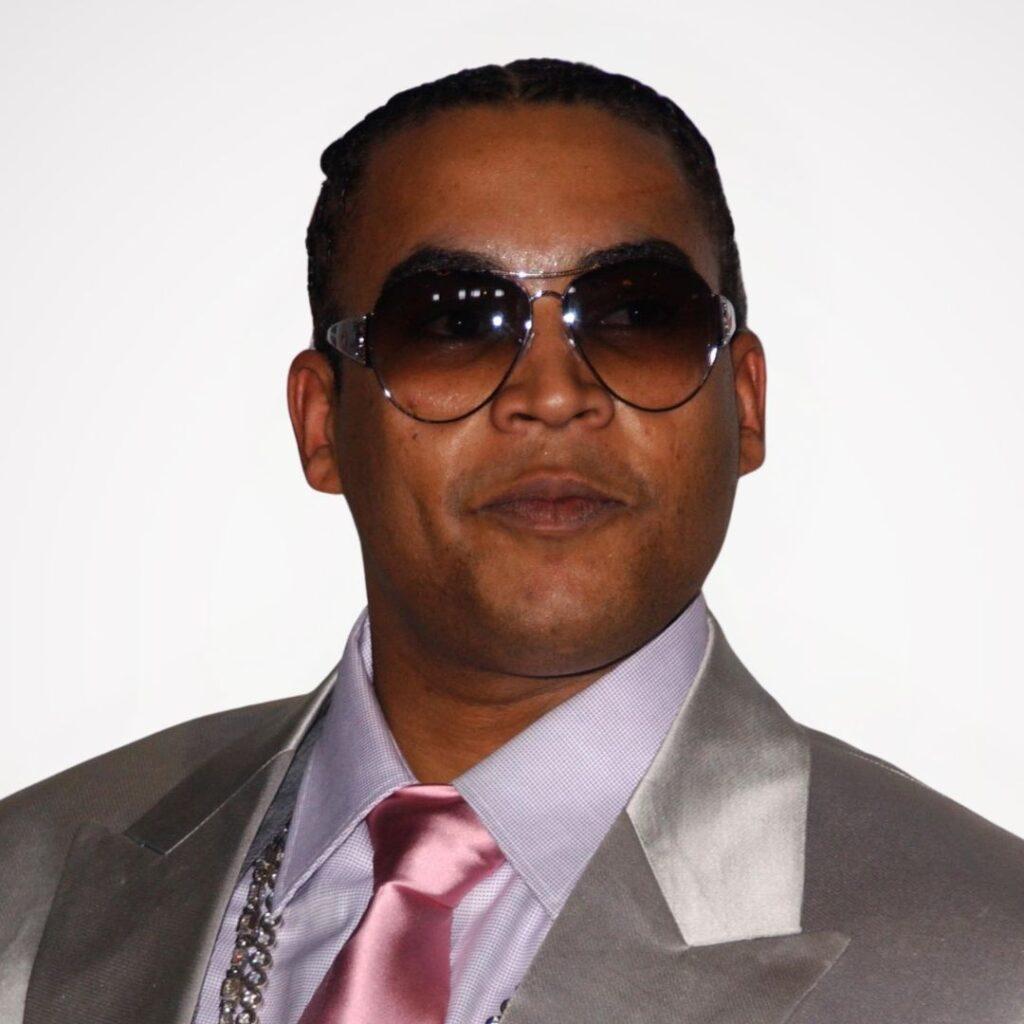
Don Omar
Don Omar became one of reggaeton's first international superstars thanks to his early-2000s work with Luny Tunes, but even more so to "Reggaeton Latino," his 2005 anthem that became one of the style's first genuine crossover hits. Born William Omar Landrón on February 10, 1978, in Villa Palmeras, Puerto Rico, Omar involved himself in the church at a young age. He became a preacher; in fact, and it was in this role that he began honing his performance ability as well as his deep insight into the human soul. He eventually left the church (a matter later addressed in his song "Aunque Te Fuiste") and channeled his talents toward music. It wasn't that far of a stretch from his days in the church, and Omar quickly took to the burgeoning reggaeton movement then sweeping through Puerto Rico. His big break came courtesy of Héctor el Bambino (aka Héctor el Father) of the popular duo Héctor & Tito. Initially, Omar produced and wrote songs for the duo, but it wasn't long before he was given the opportunity to collaborate with them vocally, as featured on the song "A la Reconquista." His solo career took off around this same time, with one of his first hits being "Desde Que Llego" in 2002. He made his album debut the following year on the VI Music label with The Last Don (2003); it was a landmark for the reggaeton movement, which was just beginning to make inroads into the lucrative stateside market. The album featured extensive production work by Luny Tunes and Eliel, who would quickly become the style's go-to hitmakers (the former in particular), and it spawned a few hit records, including "Intocable" and "Dile." Omar scored more hits with Luny Tunes on their mixtape CDs, most notably "Entre Tú y Yo" from Mas Flow and "Dale Don Dale" from La Trayectoria. One of his biggest hits came on the Chosen Few compilation. "Reggaeton Latino" was the perfect anthem -- an empowering rallying call of Latino pride, arriving just as reggaeton was spreading like wildfire throughout the coastal urban centers of the U.S. in the summer of 2005. The song was so popular in the U.S. that a remix was quickly issued to further the crossover possibilities. This bilingual effort featured well-known Latino rappers N.O.R.E. and Fat Joe, and was the second reggaeton song to get MTV airplay in the States, not to mention crossover radio airplay. The success of "Reggaeton Latino" affirmed Omar's status alongside Daddy Yankee and Tego Calderón as one of reggaeton's true leaders, and of them, he was clearly the revolutionary: A man of passion with a voice that sought to uplift his people to brighter days, not unlike what he had sought to do in his previous profession as a preacher, but now with an emphasis on the secular rather than non-secular, and with a much, much larger following.
Following a live album, The Last Don: Live, in 2004, and a best-of/remix compilation, Da Hit Man Presents Reggaeton Latino, in 2005, Omar released his second proper album, King of Kings (2006). It easily debuted atop the Latin album chart; more notably, though, it reached number eight on the Billboard 200 overall album chart, the first reggaeton album ever to break the Top Ten. In the wake of the album's big debut and the popularity of lead single "Angelito," which was a number one hit, Omar released a couple mixtapes -- Los Bandoleros Reloaded (2006) and El Pentagono (2007) -- which featured hits such as "No Se de Ella (My Space)." The futuristic concept album iDon arrived in 2009, with a protégé showcase, Don Omar Presents Meet the Orphans, following in late 2010. Its sequel, MTO²: New Generation, arrived in 2012, and was another number one Latin hit. The album won Best Urban Music Album at the 2012 Latin Grammy Awards. Don Omar scored two hit singles in 2014, "Guaya Guaya" and "Soledad," both were included on his next album, The Last Don 2, released in June of 2015. It claimed the top spot on the Top Latin Albums chart and peaked at 73 in the Top 200 and number six at Top Rap Albums. It also made the Top 50 on the year's Album Sales charts. Its singles, "Soledad" and "Perdido en Tus Ojos," featuring Natti Natasha, both placed in the top ten on the Latin Airplay chart. In January, he followed with the collaborative single "Te Quiero Pa'mi," with Zion & Lennox. It reached 14 at Tropical Airplay. Omar issued the pre-release single "Encanto" featuring Sharlene Taule in March of 2017. The record placed in the Top Ten on digital streaming and download lists, and peaked at number 11 on Latin Pop Airplay while its video racked up over 8.5 million views.
Juady
Jau-D dreamed of getting very far from what his surroundings of Santiago de los Caballeros offered, in his native Dominican Republic. Born on May 14 in a humble family but surrounded by the love of his parents and younger siblings, Yendy Durán sensed that he was going to go far. Despite suffering separation from his parents when he was only 5 years old, he was a child who never stopped dreaming in a promising and important future. At that young age, he told his mother not to be discouraged ... "Mommy, when I grow up, I want to be a baseball player or a singer," and he never stopped fighting to make that child's dream possible.
Life smiled at him very early. His father traveled and settled in the United States. Soon he sent for young Yendy and his life of deprivation took a resounding and radical turn. New York welcomes him with open arms and young Yendy begins to improve, gets educated in that city and at the age of 12, shows tremendous maturity by seeking the opportunity to progress and help his mother and little brothers who were left behind in the Republic.
When he entered his adolescent stage, he began to make good friends among his high school classmates and decided to form a reggaetton group. With that temper that distinguished him as a child, at age 13 he recorded his first musical theme in that genre. He gets a lot of acceptance as a singer and decides to take his career seriously and not as a hobby.
Another jump in his destiny puts him in contact with Jason Tejada and from the first moment a very positive chemistry arises between them. They decide to work together and make singing their profession.
From then on, he stops calling himself Yendy and becomes Jau-D, the figure that today is emerging as one of the most representative courtyard artists of Latin youth who aspires to go far.
"Not every beginning is easy," says Jau-D who risked the little money the group had to promote his music and his career. With great efforts and tremendous anxieties they gradually created their own fanaticism, which showed great loyalty and today these fans follow Jau-D wherever he appears.
Every artist has his great moment. For Jau-D, the year 2011 was the decisive one for his career. He decided to venture into the genre of bachata at a time when this genus had climbed to the crest of the wave. With great success he decides to record his first CD for this genre in the outstanding studio "Calpio Music Studio". There, surrounded by connoisseurs of the genre, Jau-D attracts the attention of producer and singer Javier, aka "Bad Faith." The latter decides to support the new value and encourages him to restart Jau-D's career internationally as a bachatero and they are fully dedicated to preparing the themes of the new CD “Get crazy”, about to go on the market in the coming days .
With compositions and arrangements very well worked and carefully directed interpretation, Jau-D is outlined in this production as an accomplished interpreter of Dominican bitterness, but with inflections of great romantic content that make his songs a true delight for the ear. His fanatic looks forward to this new vein of Jau-D, which we do not doubt that this new value of bachata will be able to impose itself definitively as an accomplished interpreter.
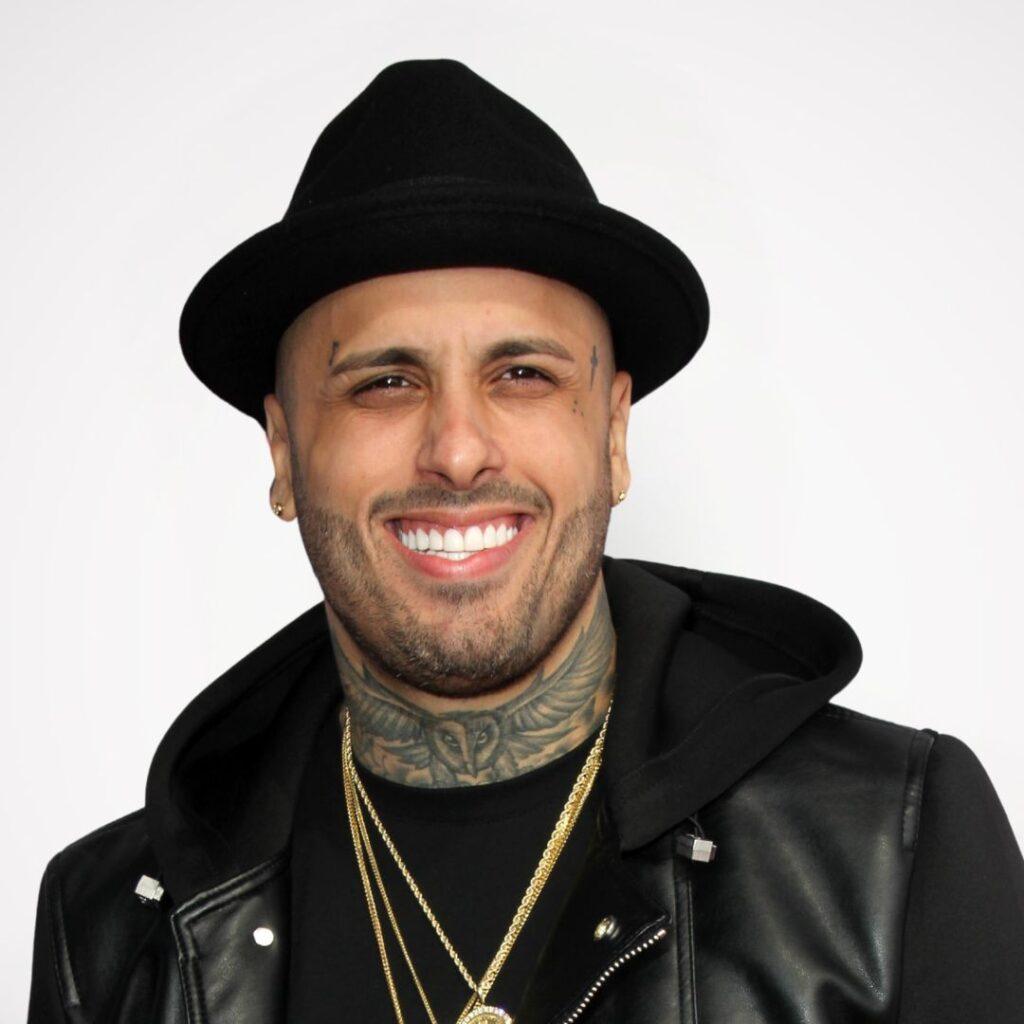
Nicky Jam
One of the most prolific artists in reggaeton and Latin trap, Nicky Jam is a charting, award-winning singer and songwriter who has collaborated with a long list of performers, including superstars such as Daddy Yankee, Farruko, J Balvin, and dozens of others in addition to his solo material; the latter includes the popular albums Vida Escante (2004) and The Black Carpet (2007) as well as its accompanying self-released The Black Mixtape (2009). His single "Hasta el Amanecer," issued in early 2016, contained the singer's trademark catchy, romantic, melodic hooks -- its music video has been viewed over a billion times. His hit 2017 album, Fénix, was nominated for a Latin Grammy Award for Album of the Year.
Born Nick Rivera Caminero on March 17, 1981 in Boston, Massachusetts, Jam moved with his family to Barrio Obrero, Puerto Rico at age ten. His father is Puerto Rican and his mother is Dominican. Like many of his generation, Jam initially got into the reggaeton scene during the '90s and made a name for himself on the mixtape circuit. Most notably, he can be heard on some of the seminal mixtapes helmed by DJ Playero around the turn of the century. Early solo albums such as Haciendo Escante (2001), featuring fellow DJ Playero protégé Daddy Yankee on the title track, established him as a rising star amid the reggaeton scene, but it wasn't until Vida Escante (2004) that he broke through to a mainstream audience, particularly once the album was re-released with bonus material in 2005. His follow-up album, The Black Carpet (2007), proved similarly popular, spawning his biggest hit to date, "Gas Pela," featuring RKM.
Despite Jam's success, he felt he could do more, and decided to move to Colombia in 2010. It proved to be just the career rejuvenation he needed, resulting in a parade of underground hits including "Tu Primera Vez," "Curiosidad," and "Voy a Beber." By 2014 he was charting consistently again, first with the single "Travesuras" and then in early 2015 with "Si Tu No Estas." Both songs appeared on Greatest Hits, Vol. 1. In the spring of 2015, his duet with Enrique Iglesias on "El Perdon" became his first single to hit number one on the Latin charts, and crossed over to the pop charts. After winning accolades at the 2015 Latin American Music Awards and Latin Grammy Awards, as well as the 2016 Lo Nuestro Awards, Jam worked on his first studio album since 2007. That effort, the multi-platinum Fénix, arrived on Sony Music in 2017. Featuring appearances by Sean Paul, J Balvin, Wisin, Daddy Yankee, Arcangel, Enrique Iglesias, and more, the album hit the Top 30 of the Billboard 200 and topped the Latin Albums chart, Jam's first appearance on the chart.
The single "X," featuring J Balvin, appeared in 2018, with a Maluma- and Ozuna-featuring remix following soon after. Jam continued to release stand-alone tracks through the year, including "Satisfaccion" with Bad Bunny and Arcangel, "Good Vibes" with Fuego, and "Jaleo" with Steve Aoki. At the end of the year he issued the charting "Te Robaré" (feat. Ozuna). He also appeared as a featured collaborator on various singles and album tracks including Ozuna's "Haciéndolo," Ginza's remix of J Balvin's "Bruuttal," and Loud Luxury's "Body on My," with Brando and Pitbull.
2019 found no relief for Jam as he collaborated on a slew of tracks including Shaggy's "Body Good," Alejandro Sanz's "Back in the City," and the remix of Karol G's "Mi Cama." He also issued a handful of digital singles across the Caribbean and Latin America including "Mona Lisa" (feat. Nacho), "Atrévete" (feat. Sech), and "El Favor" (with Dimelo Flow and Farruko, featuring Sech, Zion, and Lunay). He also spent time filming the movie Bad Boys for Life, starring Will Smith and Martin Lawrence, and touring to generate interest for his upcoming sixth studio album Intimo. In late October, a week before the set's release, he dropped a documentary trailer titled Behind Nicky Jam’s Intimo. It gave viewers an inside look at his battle with drugs, almost losing his career, and his journey toward sobriety. Intimo was released on November 1 and entered the Latin Albums chart at number three.
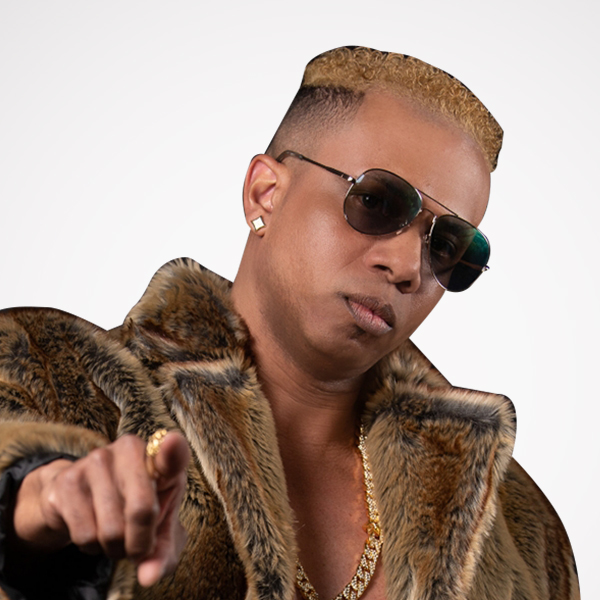
Samy P El Conde
“Elconde”, a Panamanian artist from Génerou Rbano, a resident from 7 years old in New York (USA).
Participate in 2001 in the component of the bachata and merengue group "911" (musical emergency) which were positioned on Latin billboard charts, under the label "Prestige" and distribution "Sony".
His first single called "what is happening" came to have the # 19 position on the billboard in New York City selling in total more than 60,000 thousand copies of which 30,000 were sold in Puerto Rico where the group had a big success. The group dissolves in 2005.
Samy would return years later in 2009 to the music scene under the artistic name "elconde" and returns to work with producer John Kano of Havana Funk, performing a ft. With the American artist “Selma Davis” of the song “move your chips”.
In 2017, the count made his first tour of media and concerts in Spain, presenting himself on the most important television and one of the most popular television programs in the country, "Salvame Deluxe". He made numerous radio interviews highlighting, the one of the most important station of the urban genre of the country “crazy Latin fm” (playing for several weeks in the highest positions of the list of successes) and concerts, highlighting the one made in the room rosê in The capital (Madrid).
From the hand of “Latin Servimusic” Dominican promoter, in 2018 it begins to be known in the Dominican Republic presenting its first single don’t stop (not even) in different media; "TV channel TV", "Radio KQ", "247fm".
In 2019 and by the hand of his manager John Rivera (also known by the name Gungie, “elconde” presents his star song and launches his success “I am yours”, available on the most important digital platforms since May 17, 2019.
Brenda K Starr
At 14, Brenda met Harry Belafonte on an audition for the musical, “Beat Street”. In the midst of negotiating her first deal, she was intercepted by producer Arthur Baker who offered a recording deal on the Mirage record label. In the late 80’s Brenda had many hits including the Grammy-nominated # 1 pop ballad “I Still Believe”. The first, which was re-recorded and turned, once more, into a mega hit by one of Brenda’s backup singers at the time, the international Superstar Mariah Carey. At the same time that Carey was working as Brenda’s back up vocalist. Soon after that Brenda’s Spanish influence began to emerge. Her first Spanish album release "Te Sigo Esperando", was certificated Gold then Platinum by the RIAA. It was followed by three Spanish language albums, "No Lo Voy A Olvidar", "Petalos de Fuego" and the critically acclaimed "Temptation", which in 2002 garnered two Latin Billboard Awards for Hot Latin Track of the Year-Vocal Duo and Tropical /Salsa Airplay track of the Year-Female. The singer continued her career moving into her native Salsa roots. Soon she was a star on the Sony label, with a major hit in which she sang with internationally acclaimed crooners like Victor Manuelle and Tito Nieves. After leaving the Sony Record label, Brenda began a process of introspection and began reevaluating her family life, her career and goals, as well as her passions and planning her next journey. She spent much of the time with her children and the experience stressed in her the importance of family life and its influence on her career and her personal choices.During her hiatus she began a new musical venture, “Under the Stars with Brenda K Starr”, her own radio show, which aired every Sunday night on Mix 102.7, presenting a new side to the abilities of her multifaceted personality. As Starr was looking to come out big into the market, she surrounded herself with family and close friends. Amongst them came lifelong friend John Holohan Their partnership gave birth to a new musical production, "Atrévete A Olvidarme". Once again, Starr’s voice was heard in more ways than just one on this album. The Success of the album was responsible for Brenda getting nominated for multiple awards at both Billboard and Premio Nuestro. The continued release of hit after hit in the Latin market provided an amazing foundation for her extremely successful tour throughout all of Latin America over the last few years. Brenda once again took a short break on her work to support her daughter Gianna Isabella who was on the final 2016 farewell season of American Idol ending in the top 10 spot. Watching her daughter follow in her foot step was one of the most exciting things Brenda has achieved to date, however now it was time for Brenda to get back in the studio.
For Brenda’s latest production "I Miss You" released in 2021. Brenda K. Starr and her record label Starr Records, have teamed up with 418 and Universal music to distribute her latest English track. The latest English single "I Miss You" has shifted Brenda from singing her native style music Salsa to a familiar sound from the past English Pop. In 2022 Brenda released “Quedate” which reached the top 5 on the Latin tropical charts and the video hit the #3 on the Latin video charts. Brenda has no intentions on slowing down in the near future and only seems to get better as time goes on. In late 2024 Brenda released her latest Latin hit (Soy Otra Mujer). Brenda is very proud of the work she has done and is humble by the love and support she has enjoyed while performing for all her Latin, and American fans.
Gilberto Santa Rosa
Gilberto Santa Rosa (aka "El Caballero de la Salsa") is one of the most esteemed and tradition-minded soneros to emerge from the 1980s boom; his popularity and acclaim only increased in subsequent decades. His style of salsa isn't easily categorized, for he often changes his approach from one album to the next. His straight-ahead, dance-oriented albums (1991's Perspectiva and 2004's Auténtico) as well as his eclectic ones (1996's Esencia, 1999's Expresión) tend to be his most critically celebrated. On the other hand, lavish albums such as A Dos Tiempos de un Tiempo (1992), De Cara al Viento (1994), as well as his primarily romantic ones (2002's Viceversa, 2006's Directo al Corazón) tend to be his best-selling. Consequently, Santa Rosa is one of the more discussed salsa artists of his time. For sure, there's significant interest in his music and respect for his talent; however, there's little consensus about Santa Rosa's position within salsa, since his style is ever-changing. If Santa Rosa's music tends to differ stylistically from album to album, if not sometimes even song to song, his legacy remains firmly in place. Throughout his long career, Santa Rosa demonstrated a strong sense of character: he is individualistic, intelligent, romantic, disciplined, respectful, and mannered, not to mention talented. He began his solo recording career in 1986 on Combo Records, based in Puerto Rico, before moving to Sony Discos in 1990 and remaining there for a long run of albums, most of them very successful, if not critically then at least commercially. Santa Rosa's landmark albums include Perspectiva (1991), Esencia (1996), and Auténtico (2004), each a strong statement of purpose with something to prove. His key collaborators include arranger/producers Ramón Sánchez and José Lugo, who respectively helmed the majority of his studio albums. Other key figures in the career of Santa Rosa include Rafael Ithier (influence), Omar Alfanno (songwriter), Bobby Valentín (arranger), and Victor Manuelle (protégé), to name the most famous.
Born Gilberto Santa Rosa Cortés on August 21, 1962 in the Santurce district of San Juan, Puerto Rico, "El Caballero de la Salsa" grew up listening to the salsa of the 1950s and '60s. He was chiefly influenced by El Gran Combo, a trailblazing salsa group including Rafael Ithier, Pellín Rodríguez, and Andy Montañez, each of whom left a lasting mark on the impressionable Santa Rosa. He began singing salsa at age ten and made his formal singing debut on January 6, 1975, during a television special commemorating Three Kings Day. He was only 12 years old at the time, and thereafter he wholeheartedly began pursuing his aspirations of becoming a professional salsero. His first recording opportunity came courtesy of trumpeter/arranger Mario Ortiz, who was a member of the Puerto Rico All Stars. During that recording session for Borinquen Records, Borinquen Flame (1977), he became acquainted with a growing circle of local salsa artists, including Elías Lopés and René Hernández. Santa Rosa became especially close with Lopés, a musical director, arranger, and trumpeter with whom he worked for a while; for instance, the two worked together on We Love N.Y. (1978), by José Canales' Orquesta la Grande. In turn, Santa Rosa worked with Tommy Olivencia, appearing on the T.H. Rodven Records album Tommy Olivencia & His Orchestra (1979), and also with the Puerto Rico All Stars, appearing on the Combo Records album Tribute to the Messiah (1979), where he can be heard singing lead vocals on the song "Busca Lo Tuyo." He also worked again with Lopés on Borinquen All Stars (1979). Then from 1981 to 1986, Santa Rosa worked as a backup vocalist for Willie Rosario; he can be heard on such T.H. Rodven-issued albums as The Portrait of a Salsa Man (1981) and Atizame el Fogón (1982).
By his early twenties, Santa Rosa had grown into a talented sonero, earned recognition in the salsa community, and was no longer known as "El Bebe de la Salsa," as he once was. Granted, he didn't establish himself as a songwriter or as an arranger. Yet his talents were clearly evident: He was a rousing performer with a deep-rooted grasp of tradition, which garnered him respect among salsa purists; plus, even early on in his career, he was a well-capable interpreter of songs, tailoring them fittingly for various moods. It was no surprise, then, when he pursued a solo career with Combo Records, one of the leading salsa labels of its time. Santa Rosa made his solo debut with Good Vibrations (1986), a formative album featuring arrangements by Mario Ortiz, Tommy Villariny (aka Tommy Villarini), Humberto Ramírez, Ramón Sánchez, and Carlos Torres, all of whom would contribute to successive albums. Keeping Cool! (1987) was another formative effort, and with De Amor y Salsa (1988), Santa Rosa settled into the sound that would become his trademark: a wide-ranging style that encompassed salsa romántica as well as straight-ahead salsa, boleros, and frenetic dance songs. His fourth and final album for Combo, Salsa en Movimiento (1989), was similarly impressive and individualistic, so much so that he began considering a move up to the major labels.
In his last year with Combo, Santa Rosa was extended an offer by CBS Discos, one which he eventually accepted, partly on account of the label's rich tradition. The CBS deal opened up new doors for him, as his music would now be distributed internationally, far beyond the shores of Puerto Rico and the streets of New York and Miami. Santa Rosa's CBS debut, Punto de Vista (1990), featured arrangements by Guillermo Calderón, Louis García, Humberto Ramírez, Ramón Sánchez, and Carlos Torres -- the same team he'd worked with on his Combo albums, for the most part. An important addition to the Santa Rosa team, however, was songwriter Omar Alfanno, who was just beginning to establish himself as a sure-fire hitmaker. "Vivir sin Ella" was the first of many Alfanno songs that Santa Rosa would sing, and it was not only the album-opener, it was a major hit, one of four on Punto de Vista (others included "Perdoname," "De Cualquier Manera," and "Impaciencia"). The hit parade continued with the release of Santa Rosa's second album for Sony Discos (formerly CBS), Perspectiva (1991). The album was the salsero's greatest success yet: it was his first to reach number one on the Billboard Tropical/Salsa album chart, and its reach spanned across the Americas, as far down as Ecuador and Peru. Once again, the album-opener, "Conciencia," written by Alfanno and arranged by Ramón Sánchez, was the big hit. The same team of arrangers and songwriters who had worked on Punto de Vista worked on Perspectiva, give or take a few: the arrangers notably include Calderón, García, Luis Ortíz, Lenny Prieto, Ramírez, Sánchez, and Villariny; the songwriters include Alfanno, Charlie Donato, and Jorge Luís Piloto. This resulted in a similarly styled yet more refined batch of songs. Indeed, Santa Rosa recorded a number of truly great albums over the course of his long career, yet Perspectiva remains one of his most memorable and most perfect achievements.
For his next album, A Dos Tiempos de un Tiempo (1992), Santa Rosa took a different approach: he recorded a tribute album to Tito Rodriguez, a Puerto Rican legend whom he had never met yet had long admired. Rodriguez had died 20 years earlier, and this album commemorated his passing. The old-fashioned style of A Dos Tiempos de un Tiempo was far afield from the high-energy salsa of Perspectiva; for instance, the opening song, "Mama Güela," opens lavishly with saxophone, strings, and keyboards, as well as a gentle tempo. Most of Santa Rosa's normal team of arrangers, songwriters, and musicians were absent for this album. Louis García and Angel Peña are the musical directors, while invited guests include Juancito Torres, Eddie Feyjóo, Elías Lopés, Victor Paz, Arturo Sandoval, Papo Lucca, and Jesus Caunedo. Each of these veterans was at one point in time somehow affiliated with Rodriguez, and their presence and playing greatly contributed to the old-fashioned style of A Dos Tiempos de un Tiempo. The standout song is "En la Soledad," a technologically enabled duet featuring the vocals of both Santa Rosa and a ghostly Rodriguez. Following this fairly well-received album, Santa Rosa returned to his typical style of music on Nace Aquí, which reteamed him with his usual collaborators (Alfanno, Donato, García, Prieto, Ramírez, Sánchez). Notable hits included "Buscame," "Sin Voluntad," and "Me Volvieron a Hablar de Ella," the latter two penned by the ever-reliable Alfanno. Next came De Cara al Viento (1994), which was a slight change of pace, with its added layers of strings and stateliness. The album was helmed once again by Ramón Sánchez and spawned a major hit, "Te Propongo," written by Juan Luis Guerra; however, some fans were dismayed by Santa Rosa's unceasing employment of romantic themes and gestures. For better or worse, this drift toward elegance continued on En Vivo Deside el Carnegie Hall (1995), which was a prestigious affair.
In turn, Santa Rosa decided to dissolve his orchestra and start over with a fresh sound that retained the tradition of his previous work all the same. He approached José Lugo, who had begun playing in Santa Rosa's band in 1994, and asked him to become his new musical director. For Esencia (1996), Santa Rosa picked the repertoire and sang while Lugo oversaw the musical aspects of the album; both were credited with production. Esencia proved extremely successful, as did the partnership between Santa Rosa and Lugo. Critics and fans were pleased by the fresh style of the music, which is eclectic and energized, whereas the past couple albums had begun to show signs of stagnation. Moreover, the album was Santa Rosa's most commercially successful to date: Esencia itself topped the Tropical/Salsa album chart, while "No Quiero Na' Regala'o" topped the Latin Tropical/Salsa Airplay chart and reached the Hot Latin Tracks Top Ten. Other hits included "Esas Lágrimas," "Peligro," and "Yo No Te Pido." De Corazón (1997), also helmed by Lugo, was similarly well-received, boasting two standout hits, "Que Se Lo Lleve el Rio" and "Esa Parte de Mi." Expresión (1999) was no letdown, either, as it charted well thanks in part to a pair of number one Latin Tropical/Salsa Airplay hits, "Dejate Querer" and "Que Alguien Me Diga." The same goes for Intenso (2001), which included three number ones: "Pero No Me Ama," "Pueden Decir," and "La Agarro Bajando."
For Viceversa (2002), Santa Rosa reached outside his usual circle of collaborators, teaming with hitmaker Kike Santander for the album's lead single, the sweeping ballad "Por Más Que Intento." The song was an across-the-board hit, going number one Tropical/Salsa Airplay and number ten Latin Pop Airplay. "Un Montón de Estrellas" and "El Refrán Se Te Olvidó" were also hits. On the heels of the Latin pop airplay garnered by "Por Más Que Intento," Sony unveiled Solo Bolero, a compilation of strictly romantic songs. The label had done this previously with Romántico (2001), a similar compilation. Following some time off, Santa Rosa returned vigorously with Auténtico (2004), which included no pop whatsoever. The album was consequently well-received, even if it didn't cross over the same way Viceversa had. Three hits stood out, "Piedras y Flores," "Sombra Loca," and "Ensename a Vivir sin Ti." Never one to stick with one style or hitmaking formula for long, Santa Rosa resumed his romanticism for Directo al Corazón (2006). The album -- which is a mix of salsa/tropical and bolero/ballads, with a duet feature ("Hablando Claro") for Rosangela Abreu of reality show Objective Fama Repute -- spawned two hits ("Locura de Amor" and "Por la Herida de un Amor"), sold well, and won a Grammy for Tropical Album of the Year. Concurrently, Telemundo aired a TV special, No Te Duermas, commemorating Santa Rosa's 30-year anniversary as a performer. On September 28, 2008, Santa Rosa was honored by Union City, New Jersey with the key to the city and a star on the Walk of Fame at Union City's Celia Cruz Park. That same year, he issued the charting holiday offering Una Navidad con Gilberto. Two years later, in June of 2008, Contraste received Gold and Platinum certification from the Recording Industry Association of America. At the moment of its certification, the album's first single "Conteo Regresivo" had spent 16 weeks at the top of the Tropical Songs chart. In 2010 Santa Rosa issued Irrepetible which topped the Tropical Albums charts (its single, "Vivir Sin Ti" took the top spot on Latin Tropical Airplay). Industry journal Billboard proclaimed him the record holder for most number one albums on their Tropical Albums chart. In July of that year he participated in the opening ceremony of the 2010 Central American and Caribbean Games. After touring, Santa Rosa re-entered the studio and emerged with a self-titled album drenched in Latin pop production that failed to chart. A year later, Santa Rosa was granted citizenship in the Dominican Republic. He released the ballads collection Necessito un Bolero in 2014, and his chart fortunes rebounded. It topped the Tropical Albums chart and peaked at number three on the Top Latin Albums list. In 2017, the singer contributed to Lin-Manuel Miranda's single "Almost Like Praying." The song featured various top-level Latin artists with all proceeds benefitting the Hispanic Federation's Hurricane Relief Fund, to assist those in Puerto Rico adversely affected by Hurricane Maria. The following year, Santa Rosa guested pianist Eddie Palmieri's Mi Luz Mayor; it placed inside the Top 20 on the Jazz Albums chart, and released the hybrid salsa offering En Buena Compañía in collaboration with arranger and bandleader Victor Garcia and La Sonora Sanjuanera for the Duars Entertainment label. Of its 14 cuts, ten were new compositions that walked the line between classic salsa and more progressive jazz-flavored tunes that emerged directly from the tradition.
Jose Alberto
A master improviser, Jose "El Canario" Alberto is one of Latin music's most influential young vocalists. Since attracting international attention as the musical director of Tipica '73 in October 1977, Alberto has gone on to record ten exciting albums of salsa music with his New York-based band Jose Alberto "El Canario" Y Su Orquestra. A native of Santa Domingo, Alberto moved with his family to Puerto Rico at the age of 7. Inspired by Latin music, Alberto sharpened his vocal skills at Las Antillas Military Academy. Moving to New York in the early '70s, Alberto sang with a lengthy list of orchestras. Working with Tipica '73, Alberto began working with such top-ranked Latin musicians as Johnny Rodriquez, Sonny Bravo, Mario Rivera, Leopoldo Pineda, Nicky Marrero, and Alfredo de la Fe. Forming his own band in 1983, Alberto was one of the first artists signed to the Tropical division of Ralph Mercado's RMM label. In addition to performing with his band, Alberto has periodically performed with Latin vocalist Celia Cruz.
La India
India showed a range of musical abilities over the course of her career -- from freestyle and house to Latin pop and reggaeton -- but she'll forever be defined by her run of chart-topping New York salsa hits for the RMM label in the mid- to late '90s, when she was crowned the Princess of Salsa by none other than Celia Cruz. India began her recording career in the late '80s, just as the heyday of freestyle was fading away. She was inseparable from producer "Little" Louie Vega during this period, and together they recorded some seminal music, especially in the mold of house music. In particular, her recordings with Vega's Masters at Work project ("I Can't Get No Sleep," "When You Touch Me," "To Be in Love") are classic. On the other hand, India's solo career went big-time in 1994 with the release of Dicen Que Soy, her debut for RMM, the premier New York salsa label of the 1990s. This album and its follow-up, Sobre el Fuego (1997), were monumental successes that ensured the salsera's ubiquity on tropical radio for several years. At the end of the decade, India receded from the limelight, recording much more sparingly than she had during the '90s. She still racked up hits and retained a feverish fan following, make no mistake, but not on the same level nor at the same pace. Furthermore, she broadened her style to incorporate forms of tropical music other than salsa.
Born Linda Viera Caballero on March 9, 1970, in Rio Piedras, Puerto Rico, India grew up in a section of the South Bronx known as La Candela. Her parents moved there shortly after her birth, moving in with her grandmother, a world-wise, cigar-smoking woman who was a key influence in India's life. India, who was nicknamed such because of her fine facial features, began singing as a young girl and even took opera classes briefly. She attended grade school in the Bronx, and that's where she met Louie Vega, someone else who would become a key figure in her life, both as her producer as well as her husband. Vega, the nephew of salsa icon Héctor Lavoe, introduced her to the city's burgeoning hip-hop and freestyle scenes, and though only a teenager, she ended up joining the freestyle trio TKA. Produced by the Latin Rascals, TKA ended up recording some seminal freestyle for Tommy Boy, and they're perhaps best known for the membership of Louis "Kayel" Sharpe (aka K7 of "Come Baby Come" fame). India's relations with TKA remain sketchy, but this much is known: she performed live with the group at shows in New York and Miami; she is pictured -- front and center, dressed in red -- with the trio on the cover of the Come Get My Love 12" EP (1986); and her debut single, "Dancing on the Fire," was planned to be included on Scars of Love (1987), the group's debut album, on which she allegedly sang some uncredited background vocals.
In any event, India embarked on a solo career. She quickly aligned herself with producer John "Jellybean" Benitez, who was quite famous at the time thanks to his work with Madonna, among many others. India signed to Benitez's vanity label at Warner Bros., Jellybean, and debuted with a maxi-single, Dancing on the Fire (1988). Produced by Benitez, the title track appears there in five different mixes by Vega, who was now billing himself as "Little" Louie Vega. Next came a second maxi-single, Right from the Start (1989), this one produced by Mantronik, remixed by David Morales, and released by a different division of Warner, Reprise Records. A couple months later, India's debut full-length, Breaking Night (1990), followed, and with it came a couple further singles, "The Lover Who Rocks You (All Night)" and "You Should Be Loving Me." Out of print for years, Breaking Night is a curious album -- a snapshot in time, capturing the moment when freestyle was flickering out, giving way to the style of house music that would become synonymous with Masters at Work. Benitez and Vega split the bulk of the production, and Jocelyn Brown can be heard singing background vocals. Curious or not, Breaking Night didn't sell well; a few of the maxi-singles charted, but not the album itself. And so India's time with Warner Bros. came to an end just as it was starting.
When the Night Is OverNow it was Vega's turn to assume the spotlight, and so India assisted him with his solo debut full-length, When the Night Is Over (1991), co-writing half the songs. Released by Atlantic and likewise out of print for years, When the Night Is Over is another curiosity, for in addition to its demonstration of Vega's burgeoning talent as a house producer, the album features future salsa superstar (and J-Lo hubby) Marc Anthony as lead vocalist. This team-up of India, Vega, and Anthony resulted in one bona fide classic, "Ride on the Rhythm"; however, as with Breaking Night, not much came of When the Night Is Over in terms of mass-market commerce, and the Atlantic deal fell through in the wake of its release. India and Vega -- married as of 1989 -- stuck together nevertheless, and another opportunity presented itself soon enough, this time with Latin jazz pianist Eddie Palmieri. Under his tutelage, India went about recording a straightforward salsa album, Llegó la India Via Eddie Palmieri (1992), with Vega co-producing and mixing it alongside the Latin jazz legend. Released by a small independent label, Soho Sounds, in partnership with Sony Discos, which handled the manufacturing, Llegó la India Via Eddie Palmieri created quite a buzz amid the New York salsa scene, ultimately reaching the Top Five of the Tropical/Salsa album chart.
Suddenly India was a hot commodity, and she subsequently signed a recording contract with Ralph Mercado's label, RMM Records, the leading New York salsa label of the era. Her first assignment with the label was an appearance at the June 1993 RMM all-star concert later released as Combinacion Perfecta (1996). The concert brought together many of New York salsa's living legends, such as Celia Cruz and Oscar d'León, and it took a moment to showcase RMM's two rising stars, Marc Anthony and India, who sang a duet, "Vivir Lo Nuestro." Released as a single in 1994, the song became a Top Ten hit and was subsequently included as a bonus track on India's album debut for RMM. Meanwhile, she assisted Vega with a project of his, namely Masters at Work, a house duo also featuring Kenny "Dope" Gonzalez. As Masters at Work, Vega and Gonzalez were just beginning to establish themselves, largely on behalf of the aforementioned "Ride on the Rhythm." With India as their lead vocalist, Vega and Gonzalez produced a few tracks that would become classics: "I Can't Get No Sleep" and "When You Touch Me." Released as singles by Cutting Records, as well as on The Album, Masters at Work's full-length debut, these songs only brightened her rising star, as did a couple other Vega productions that followed: "Love & Happiness (Yemaya y Ochún)" and "Beautiful People." Both released by Strictly Rhythm Records in early 1994, the former was featured in various mixes on The Tribal EP, billed under the guise of River Ocean, while the latter was a Barbara Tucker lead vocal performance arranged, co-written, and partly sung by India.
Following these classic house sessions, India made her RMM debut with Dicen Que Soy (1994), produced by salsa maestro Sergio George. In short, it was her mainstream breakthrough. Not only did Dicen Que Soy spawn five charting hit singles ("Nunca Voy a Olvidarte," "Que Ganas de No Verte Mas," "Ese Hombre," "Dicen Que Soy," and "O Ella o Yo" -- two of which topped the Latin Tropical/Salsa Airplay chart, and all of which were Top Tens), but it also broke into the Top Five of the Top Latin Albums chart and topped the Tropical/Salsa one. Dicen Que Soy was more than popular; it was a phenomenon. During 1994-1995, India was to salsa what Olga Tañón was to merengue: her music was ubiquitous on tropical radio. Needless to say, RMM was pleased with the reception of Dicen Que Soy, and Mercado proceeded to capitalize on his label's new superstar, teaming her once again with a Latin jazz legend, in this case Tito Puente, and upping the ante further by featuring the Count Basie Orchestra on a few songs as well. Produced, directed, and chiefly arranged by Puente, Jazzin' (1996) is comprised of several jazz warhorses, such as "Fever," "Love for Sale," and "Wave." There's certainly nothing novel about these songs, which have been played to death over the years; however, the performances are given a strong dash of salsa flavoring, which leads to some excitement, as India is clearly spotlighted throughout. Also in 1996, RMM licensed Llegó la India Via Eddie Palmieri for reissue and then released Mega Mix, which spliced together previously released highlights in an attempt to create something new for insatiable consumers. This was also the year India and Vega divorced, as their musical careers were heading in different directions and moving increasingly fast.
The following year was another big one for India, as it most notably included the release of Sobre el Fuego (1997) by RMM. Produced by Isidro Infante and featuring collaborations with labelmates Celia Cruz and Johnny Rivera, Sobre el Fuego matched the massive success of Dicen Que Soy, likewise breaking into the Top Five of the Top Latin Albums chart and topping the Tropical/Salsa one. It spun off a run of hit singles, the highest-charting among them "Me Canse de Ser la Otra," "Mi Mayor Venganza," and "Costumbres," which each reached the Hot Latin Tracks Top Ten. Also in 1997, India cast a tall shadow over the house scene, with a few instant classics produced by Masters at Work. First, there was her standout appearance on the duo's eponymous Nuyorican Soul album for Giant Step Records, "Runaway." The disco-house track was released as a single, as was "To Be in Love," an even bigger hit, on MAW Records, along with "India con Lavoe." These many hits carried over well into 1998, with one single from Sobre el Fuego after another entering the charts. And just when the Masters at Work singles seemed to run their course, there was another Nuyorican Soul single, "I Love the Nightlife (Disco 'Round)," this one from the Last Days of Disco soundtrack.
India's career subsequently began to slow down, as she steadily receded from the big time and released albums sparingly. Sola (1999), the follow-up to Sobre el Fuego, was a fairly low-key album, influenced by La Lupe. Produced again by Infante but in a much less flashy manner, it spun off only two hits, "Hielo" and "Sola," and didn't sell as well as either Dicen Que Soy or Sobre el Fuego. Still, it was far from a disappointment, and some consider it among her best. Too, it was India's final album for RMM, for the label declared bankruptcy in 2001; a greatest-hits compilation, The Best..., was released by RMM in partnership with Universal Music Latino at the end of the year, bringing the most successful run of India's career to a close. In the years that followed, Universal repackaged India's RMM recordings endlessly, issuing budget-line compilations of all shapes, colors, and sizes.
Nevertheless, India marched on with her recording career, beginning with Sony Discos. She only recorded one album for the label, Latin Songbird: Mi Alma y Corazón (2002), but it was a fine, if uneven, effort that showcased a wider swath of Latin styles, including bolero, bachata, merengue, pop, and ballad exercises, in addition to salsa. As usual, Latin Songbird did well on the tropical charts, reaching number one, as did the singles "Sedúceme" and "Traición." Three years later, she surfaced on Univision with Soy Diferente (2006), a similarly eclectic album that acknowledged the concurrent rise of reggaeton. Some fans, especially longtime ones, took issue with the "salsatón" inflections, but Soy Diferente hit number one on the Top Tropical Albums chart and spun off three Latin Tropical Airplay Top Five singles ("Soy Diferente," "Solamente una Noche," "Lágrimas"). Única, released in 2010, included several bittersweet moments, including a cover of Roy Orbison's "Crying." The single "Estupida" hit number one on the Latin Tropical Airplay chart. Her next full-length effort was a 2015 tribute album to one of the great Mexican ranchera singers, Intensamente con Canciones de Juan Gabriel.
Luis Damon
Born and raised in New York City, Luis Damon was exposed to music at an early age. His father, renowned guitarist Luis Cruz, performed with many of the top trios and conjuntos that played traditional Puerto Rican folk music throughout Puerto Rico and the city. In addition, Luis was influenced by the classic 70s R&B and Freestyle artists of the 80s. At the young age of 10, Luis began to step into the spotlight, performing at school events and talent shows. In 1993, Luis recorded his first single “Should Have Never Let You Go” for Rivell Records, an independent label. While the song did not receive much radio airplay, it was a local club favorite, catching the attention of Sal Abbatiello at Fever Records who signed Luis to a recording and management contract. Luis released “Time and Time Again” in 1995, written and produced by the legendary Chris Barbosa. Shortly thereafter, Luis was performing throughout the country, sharing the bill with such artists as George Lamond, Lissette Melendez, Cynthia, and The Cover Girls. Seeking to bridge the gap between Dance music and the Latin music he grew up listening to, Luis signed with WEA Latina in 1996 and recorded his first Spanish language album, Solo. The first single was a cover of the Luis Miguel classic Me Niego Estar Solo and quickly became a radio favorite. However, it was the second single Vivir La Vida which became the breakaway cut that kept the album at the top of Billboard Magazine’s Tropical charts. The same year, Luis Damon earned a nomination for Best New Male artist at the coveted Premio Lo Nuestro” awards. Also, Luis was also asked to represent the United States in the International OTI song festival hosted by Univision in Lima, Peru. Luis recorded his second album for WEA Latina, Para Estar Contigo in 1998 which featured a duet with Olga Tanon on the title cut. Para Estar Contigo rode the top of the charts for over 22 weeks. Luis began honing his skills as a songwriter. In 1999, Luis helped form a non-profit organization called MAV (Musicians Against Violence) with Vivian Rivera, which helped raise funds for different organizations relating to domestic violence issues, a cause he felt strongly about. Also, during this time, Luis released his third CD, Luis Damon, working with such prominent sponsors as Coors Light and embarked on a 25-city tour throughout the United States. At the end of the tour, Luis was asked to join the hit group Son By 4 to perform their hit song“A Puro Dolor” throughout P.R. and the U.S. Luis relocated to Puerto Rico where he had the opportunity to work with renowned producer Cucco Pena, and special event impresario Rafo Muniz (Promotores Latinos). Luis also continued working on his songwriting, and collaborated with Obie Bermudez, Javier Montes, and Guadalupe Garcia. Luis continues to perform as a solo artist, and is currently recording new material. Luis has matured both as an artist and as a song writer, as reflected by his new material. His soulful vocals combine heart felt ballads with strong tropical rhythms. As enthusiastic as ever, Luis is ready to share his musical vision with audiences both old and new who are eager to hear a fresh voice in Latin music.
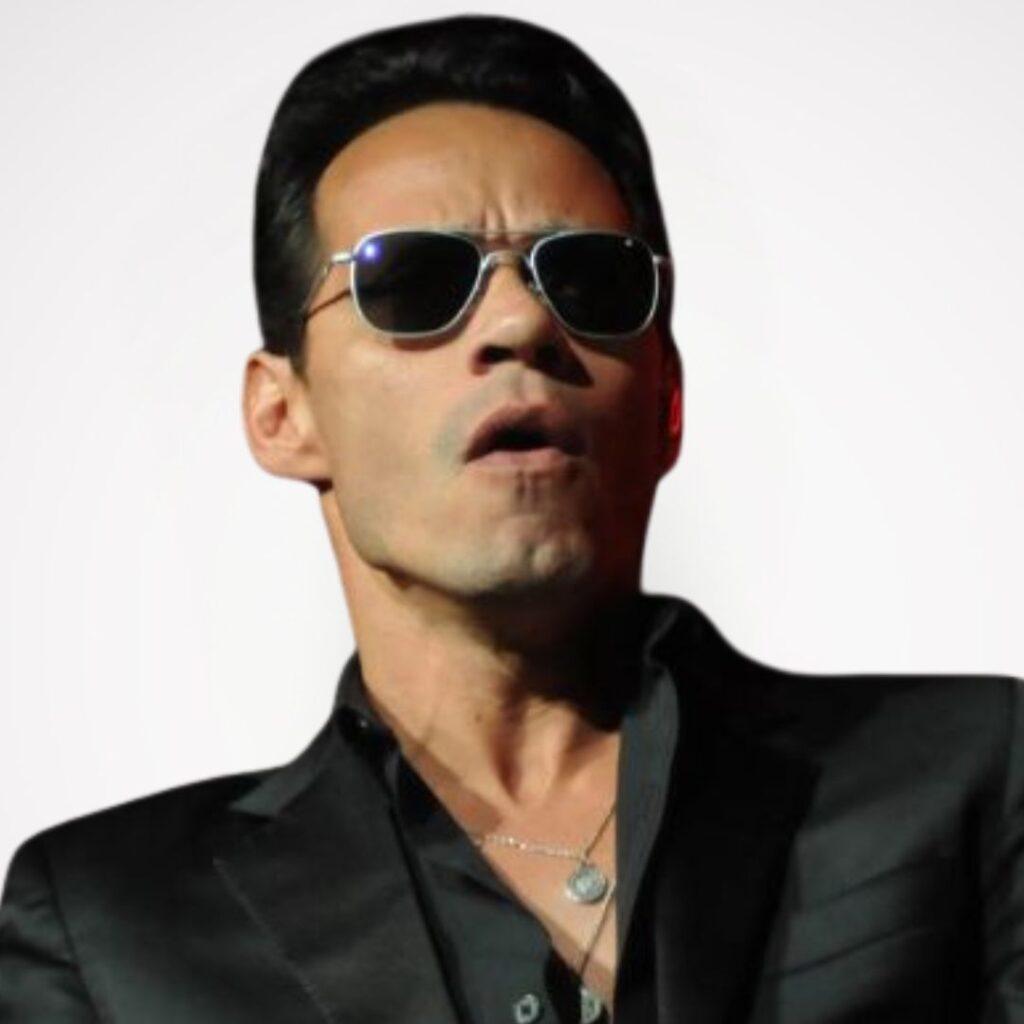
Marc Anthony
Marc Anthony is a multi-talented singer, dancer, actor, songwriter, producer, and fashion designer, plus one of the world's biggest pop stars. He is the top-selling salsa artist of all time and considered the only rightful heir to the throne of the late Hector Lavoe -- whom he played in a controversial Hollywood biopic. He has sold tens of millions of recordings and won multiple Grammys, Latin Grammys, and other awards. He has appeared in starring or support roles in numerous films including The Substitute, Big Night, Hackers, and Blue in the Face; he starred as Lavoe in El Cantante, in the television series Hawthorne, and in Broadway productions such as Paul Simon's The Capeman. Anthony's tours have been constant sell-outs since 1999, and he has placed many albums in the Top 200, beginning with 1997's Contra La Corriente and continuing through the second decade of the 21st century (3.0 in 2013). Obviously, there is little Anthony hasn't accomplished during his long, distinguished career and he continues perfecting his salsa chops and exploring new trends, from hip-hop to trap to electro.
Instructed in music theory and composition by his father, Anthony grew up listening to Latin musicians, including Rubén Blades, Hector Lavoe, and Willie Colón, and contemporary pop recordings by Air Supply and José Feliciano. At age 12, Anthony and his sister were discovered by David Harris, a producer of demos and commercials; Anthony was hired to sing background on several productions. His songwriting skills became evident, and an early composition, "Boy, I've Been Told," became a Top 40 hip-hop hit for school friend Safire. Anthony subsequently sang background vocals on Safire's debut album. He also sang on albums by the Latin Rascals and Menudo.
Teaming with producer and disc jockey Little Louie Vega, Anthony recorded his debut album, When the Night Is Over, in 1991. The Latin hip-hop-style album, which featured guest appearances by Tito Puente and Eddie Palmieri, included the single "Ride on the Rhythm," which reached the top slot on Billboard's dance music charts. On November 22, 1991, Anthony was the opening act on a show at Madison Square Garden that celebrated Puente's 100th album release. Anthony's second album, Otra Nota (produced and arranged by Sergio George), was a better representation of Anthony's salsa roots and included the original tune "Juego o Amor." Todo a Su Tiempo, released in 1995, was a continuation of Anthony's collaboration with George.
With his fourth album, Contra la Corriente, Anthony began working with producer/arranger Angel "Cucco" Peña, and it won the 1999 Grammy for Best Tropical Latin Performance. A self-titled English-language album released in 1999 was an overt attempt at crossing over to the mainstream, and it did reach the Top Ten of the main Billboard album chart, with "I Need to Know" peaking at number three. While 2002's Mended was an even greater commercial success, Anthony continued to release Spanish-language albums that were closer to his roots, like 2001's Libre and 2004's Amar sin Mentiras. His profile was only raised by starring as salsa legend Héctor Lavoe in 2007's El Cantante, which co-starred his wife, Jennifer Lopez. All of the Lavoe songs in the film were sung by Anthony, and the El Cantante soundtrack album was released featuring these versions.
In 2010 he released another Latin album, Iconos, on which he covered classic pop ballads. Anthony and Lopez separated in 2011, eventually divorcing in 2012, but continued to work together on the Latin talent search show Q'Viva! The Chosen. Anthony appeared on Robi Draco Rosa's comeback-from-cancer recording Vida in the spring of 2013. He also issued "Vivir Mi Vida," which topped Billboard's Latin Songs chart for 18 straight weeks, making it the longest-running number one salsa single of all time. His highly anticipated return-to-salsa album, 3.0, was released in July, his first release of original tropical material in nearly a decade. The album received a Latin Grammy for Recording of the Year. After years on television and in cinema, Anthony undertook his "Legacy Tour" in 2018 during which he revisited music from throughout his career. In September he dropped the multi-platinum-selling Latin trap jam "Está Rico" with Bad Bunny and Will Smith and duetted with Prince Royce on the singer's hit "Adicto." The tour went so well that Anthony extended it into 2019, and in February released the salsa-cum-bachata single "Tu Vida en la Mía" as a pre-release for an upcoming salsa offering in the spring.
Michael Stuart
Michael Stuart, born on January 9, 1975, in New York City to Puerto Rican parents, is a renowned salsa singer and actor. Growing up in a musical family, Stuart was influenced by his uncle, bandleader Israel "Timbalero" Stuart, and his father's love for music. His debut album, "Cuentos de la Vecindad," earned him the Tu Música Award for Best New Artist in 1997. Stuart's dynamic performances and contributions to salsa have solidified his status in the Latin music scene.
Papote Jimenez
Hector “Papote” Jiménez, “El Sonero y Pregonero del Barrio” was 18 years old when he joined his first group, the Aqumbe Band, in 2003. A product of New York City’s Lower East Side, he began singing as a youngster in the Jacob Riis projects (where he says he made his first recording, a cover of the popular Hector Lavoe hit, “Amor De La Calle” at age 13).
From early on, Papote was taken under the wings of Loisaida veteran vocalist and rumberos, Eddie Bobé, Abraham Rodríguez Jr., and José Luis Ayala. He was such a distinctive talent that the village elders went out of their way to help him develop and hone his special gifts and passion for music.
A year after playing with the Aqumbe Band, in 2004, he joined Zon Del Barrio as lead vocalist. He took to the road with the band and made his first recordings. It was with ZDB that he also made his first cross-continental tour to perform at the Tempo Latino Festival in Vic-Fezensac, France (2006).
By 2008, Papote decides to embarked on a new musical venture and he joins a group of childhood friends from Loisaida to form the band Lower East Salsa (LES). The collaboration of Loisaideños Papote Jiménez, Tommy Fernández and José “Papo” De León immediately created a stir on the music scene that went viral when they released their popular single “Luz Del Cielo”. “Temblequera” was later released by Papote in 2012 as a solo artist.
Papote’s popularity continued to grow as he performed in many of the major music venues and festivals throughout New York City like: BB Kings, SOBs, Empire City Casino, the Puerto Rican Day Parade, Brooklyn’s Afro-Caribbean Festival, Loisaida Festival, New Village Music Festival, New York International Salsa Congress, Queens College, and Lehman College.
By 2010, Papote’s powerful voice and charismatic presence made him one of the most sought-after vocalists on the music scene and he was invited to join forces with Our Latin Thing (a tribute all-star band dedicated to celebrating the music of the Fania-All Stars). The 15-piece orchestra (featuring five vocalists) embarked on a cross-country tour of the United States to spread the gospel of Latin music.
Shortly after, in 2011, Papote joined a pared-down rockin’ conjunto called Los Hacheros. Their union produced two CDs (Pilón and Bambulaye), a number of video appearances (including a performance in New York’s Chinatown and a showcase piece in NPR’s “Tiny Desk” concert series) as well as a tour of Tel Aviv, Israel.
In addition to visiting Israel and France, Papote has done extensive travel to places like Colombia, Africa, Spain, Cuba, Santo Domingo, Martinique and Puerto Rico as well numerous states across the US. Throughout his travels, he has collaborated and performed as lead vocalist and/or background singer with a host of artists including: Oscar de León, José Alberto “El Canario”, Mayito Rivera, Los Van Van, el Gran Combo, N’KLABE, Gilberto Santa Rosa, Victor Manuel, Ricky Martin, Ruben Blades, Danny Rivera, Hermán Olivera, Orquesta Guayacán, Frankie Vásquez, Choco Orta, Bobby Valentín, La India, Pepito Gómez, Miles Peña, Jerry Rivera, Yomo Toro, Sammy Ayala, Orquesta Aragón, the BB Kings house band, Pito Paris, La Sucursal, the Bad Boys of Salsa, Cachita Ceremonies, Johnny Rivera, Abraham Rodríguez Jr., Charanga Pachá, Orchestra Narvaez, Clandeskina, Baja Salsa Oriental, Steven Oquendo y su Orchestra and Orquesta Son Tabor. He is currently working on a new solo project and hopes to return to regular touring after the COVID crisis stabilizes. [WM]
Victor Manuelle
Victor Manuelle emerged as a leading voice among the generation of New York salsa performers who rose to prominence in the mid-'90s, along with Marc Anthony and India, who were his only rivals in terms of success and popularity. Mentored by Gilberto Santa Rosa and produced by Sergio George, Manuelle regularly topped the tropical charts during his mid-'90s peak, as his albums Victor Manuelle (1996) and A Pesar de Todo (1997) spun off a parade of number one hits. The esteemed sonero continued his hitmaking in the years that followed, as every single one of his studio albums in the successive decade spun off at least one tropical chart-topper of its own. As he matured, he also added executive production and songwriting credits, notably for 2006's Decisión Unámine. The album, his first released under Sony BMG's Norte banner, included nods to the concurrent reggaeton craze, and as a whole, showcased Manuelle's ability to remain current with the changing tides of popular Latin music. Not that his relevance had ever been questioned, for El Sonero de la Juventud, as Manuelle was titled by his fans, remained among the top salsa performers year in and year out, and his legacy as one of the leading voices of his generation remained firmly cemented for posterity. After all, it was he who sang "La Vida Es un Carnaval" a cappella at Celia Cruz's funeral at St. Patrick's Cathedral in New York in 2003, a gesture that unquestionably affirmed his royalty among the time-honored salsa elite. Still, Manuelle is not without his critics, some of whom do not consider his music truly salsa. Such purists take issue with the romantic leanings of his music, preferring to classify it as bolero, or at least salsa romántica (opposed to just plain salsa, or salsa gorda).
Born Víctor Manuel Ruiz on September 27, 1968, in New York, New York, Manuelle was raised mainly in Isabela, Puerto Rico. A famous incident jump-started his professional singing career: Gilberto Santa Rosa was scheduled to perform at the graduation party of Manuelle's high school, and the salsa legend invited the teenage sonero to join him on-stage during the performance. Santa Rosa was so impressed by Manuelle's talent, he subsequently referred the young man to bandleader Don Perignon, who proceeded to hire him as a backup singer. Manuelle obtained priceless experience and industry contacts during his stint with Perignon, and he was ultimately awarded a solo recording contract with the Sony Tropical division of Sony Discos. Santa Rosa produced Manuelle's debut for the label, Justo a Tiempo... (1993), and a couple modest hits resulted ("Me Dará el Consentimiento," "Estás Tocando Fuego"). Manuelle's recording career was off to a respectable start, and his second album, Sólo Contigo, furthered his initial success. It racked up three charting singles ("Apiádate de Mí," "Voy a Prometerme," "Por Ejemplo"), the first of which climbed all the way to number three on the Latin Tropical/Salsa Airplay chart.
Victor Manuelle (1996), the singer's third album, was his breakthrough. Produced by the great Sergio George -- who was the go-to salsa hitmaker of the day, fresh off the mammoth success of Marc Anthony's Todo a Su Tiempo (1995) and India's Dicen Que Soy (1994) -- the self-titled album spun off one hit after another, six of them charting in total ("Pensamiento y Palabra," "Hay Que Poner el Alma," "Volveras," "Todo Quedo, Quedo," "Como una Estrella"), with two reaching number one ("Hay Que Poner el Alma," "Volveras"). Manuelle's follow-up album, A Pesar de Todo (1997), also produced by George along with co-producers Ramón Sánchez and Humberto Ramírez, kept the hit parade marching along unabated. Three of the album's four charting singles hit number one ("Así Es la Mujer," "Dile a Ella," "He Tratado" -- with "El Aguila" the one to fall short, reaching only number two). Victor Manuelle and Dicen Que Soy not only generated a bounty of hit singles, but they broke the singer into the Latin mainstream, as both albums made the Top Latin Albums chart, with the latter going Top Ten. Moreover, many of the singles spun off from these albums made the Hot Latin Tracks chart, with a number of them going Top Ten.
Ramón Sánchez took over the production reins from George for Manuelle's next two albums, Ironías (1998) and Inconfundible (1999). Both were highly successful on a commercial basis, yet Ironías was especially so, including a wealth of hit singles ("Se Me Rompe el Alma," "Qué Habría Sido de Mí," "Al Igual Que Yo," "Qué Te Han Dicho"), the first two of which were chart-toppers. Inconfundible included a chart-topper of its own ("Pero Dile"), along with three further hits ("Si la Ves," "Como Quisiera Decirte," "Como Duele"). In addition to generating plenty of airplay, the two albums sold well: both topped the Tropical/Salsa album chart, with Ironías breaking the Top Five of the Top Latin Albums chart and Inconfundible making it all the way to number two. Nonetheless, commercial success only tells half of the story, for as popular as these albums were, Manuelle's music had begun to grow stale around this time. Sánchez's production may have been modeled after George's brash, street-edged sound, but it was no match. If anything, it was overdone, and indeed, Ironías and Inconfundible arguably sound over-produced in retrospect. Moreover, Manuelle himself didn't help matters, as the songs he sang became increasingly formulaic and predictably romantic in theme.
Manuelle broke away from the stagnation of his late-'90s work on Ironías and Inconfundible by aligning himself with some new collaborators. He worked with a new producer, José Lugo, whose long list of credits up to this point in time included steady work with Manuelle's mentor, Gilberto Santa Rosa, as well as rival Marc Anthony. Besides Lugo, Manuelle brought aboard Bobby Valentín, aka El Rey del Bajo, whose days as a storied bandleader dated back to the Fania All-Stars. With Lugo at the helm and Valentín providing inspiration, Manuelle fashioned his next album, Instinto y Deseo, as relatively straightforward salsa. The throwback style of the album seemed to be a response to critics, including fans-turned-critics, with whom Manuelle had lost favor. More than anything, though, it was simply a welcome change of course for the sonero. If the critics remained cautiously skeptical, consumers certainly took well to the album: Instinto y Deseo topped the Hot Latin Albums chart and spawned a pair of number one Tropical/Salsa Airplay singles, "Me Da Lo Mismo" and "Cómo Se Lo Explico al Corazón." Manuelle followed Instinto y Deseo with Le Preguntaba a la Luna, an even further old-fashioned album again produced by Lugo. Notably, four of the album's 11 songs were written by Manuelle, who previously had relied on professional songwriters, above all the prolific Omar Alfanno, who contributed one song to Le Preguntaba a la Luna, the chart-topping album-opener, "En Nombre de los Dos." Other hits from the album included "Poco Hombre" and "El Tonto Que No Te Olvidó," the latter of which also hit number one.
With his salsa credentials shored up in the eyes of many, Manuelle subsequently made a surprise left turn and unabashedly went for the so-called crossover. Hence the name of his next album, Travesía (Crossover in English), and the producers with whom he worked, Emelio Estefan and the Gaitán Bros. (i.e., Alberto and Ricardo Gaitán), who between the two camps had worked with everyone from Gloria Estefan and Jon Secada to Ricky Martin and Thalía. These producers also served as songwriters, penning most of the album's songs. A lot of fans and critics were put off by the pop slant of the ballads that were sprinkled across the second half of the album, but on the other hand, Travesía featured a hefty serving of first-rate salsa on the first half, with a few hits standing out ("Lloré, Lloré," "Tengo Ganas," "Te Propongo"). The ballads sequenced toward the conclusion of the album were less engaging, though the pop version of "Tengo Ganas" was a sizable hit, climbing up to number 11 on the Hot Latin Tracks chart. The album itself sold exceptionally well, despite the criticism; it reached number one on the Top Latin Albums chart. On the heels of Manuelle's "crossover," he performed a concert at Carnegie Hall in New York on November 8, 2004, that was subsequently released the following year on CD, produced by Estefan. The concert featured a moving rendition of the recently passed away Celia Cruz's signature song, "La Vida Es un Carnaval," which Manuelle had sung a cappella at her funeral in 2003. The song was released to radio as a single and became a modest hit. Late in the year, Sony released another live album featuring Manuelle, Dos Soneros, una Historia (2005), which showcased a poorly recorded, albeit milestone, concert also featuring Santa Rosa.
Manuelle executive-produced his next studio album, Decisión Unámine (2006), himself. It was his first release under the Norte banner of Sony BMG, and it was another sharp turn of direction. Rather than going for the crossover like last time, Manuelle took a purist approach, embracing his salsa roots, and included numerous collaborations, including one with reggaeton superstar Don Omar, two with fellow salsero Eddie Palmieri, and one with Mexican sensation Yuridia. Lugo was back at the production helm and Valentín was again credited with arrangement, and together they, along with the other studio hands, brought an old-fashioned salsa style to the album that went surprisingly well with the occasional nods to contemporary styles like reggaeton. Decisión Unámine failed to reach number one on the Hot Latin Albums chart, climbing only to number six, but it was a success nonetheless, spinning off a few strong singles ("Nuestro Amor Se Ha Vuelto Ayer," "Maldita Suerte," "Nunca Había Llorado Así") and, above all, earning the praise of fans and critics. In fact, Decisión Unámine was perhaps Manuelle's most admired album since Instinto y Deseo, if not A Pesar de Todo. In the wake of the album's splash, Manuelle co-hosted the 2006 Latin Grammys and won a 2007 Premio Lo Nuestro award for Best Salsa Artist.
Soy and Yo Mismo, released in 2008 and 2009, continued Manuelle's string of tropical album chart-toppers, featuring a pair of singles: "Yo No Se Perdonarte" and "No Soy Quien." Still, his recording activity slowed slightly, resulting in two-year gaps between his albums -- 2011's Busco un Pueblo, 2013's Me Llamaré Tuyo, and 2015's Que Suenen los Tambores -- although they continued to place high in the Latin charts. Three years later he released 25/7, his 18th studio album which features collaborations with Bad Bunny, Farruko, Juan Luis Guerra, and Gilberto Santa Rosa.
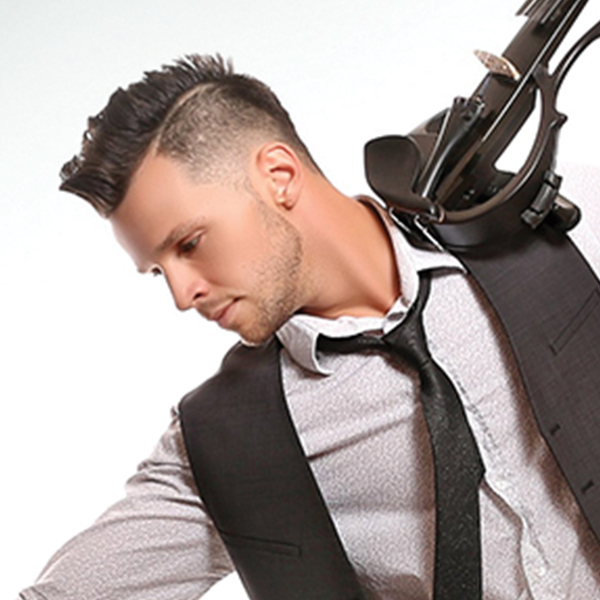
Svet
Discovering new talent is often a daunting task; however, when the formula is complete, all parts, synergistic, the sky is the limit. Bulgarian native Svet was a Classical- trained violinist; conversely as soon as he discovered the fascinating world of hip hop, he began doing something extraordinary. His combination of his classical skills combined with elements of hip-hop, pop, house and reggaeton, fused an incredible sound, allowing him to move with ease throughout the industry without any limits. He has performed with many of the brightest stars in the business such as; Tpain, Trina, Trick Daddy and is swiftly on his way to defining himself as the next sound of tomorrow.
Svet was born on September 3rd 1986 in Eastern Europe and at the age of only three, he displayed his unique talent on the Violin. Through dedication, determination and discipline, his early compositions on piano and violin won him a scholarship to the legendary Eastman School of Music. As a violinist, singer and music producer, Svet is now one of the few if not the only one in the industry with such horizon. “I love the fact that I can elevate music to the next level. It gives me a great feeling watching people enjoying and dancing to my music”.
At the age of 25, Svet has been featured on networks such as ABC, BET and MTV and is now on his collaborative journey with other artists. He was featured on 106&Park 2009 as he performed for superstars Jamie Fox and Kanye West. In May of 2011 Svet was nominated for “Talent of the Week” by the most influential Hip-Hop website in the world, Worldstarhiphop.com allowing his video to receive over 100,000 views in little over a week. Through persistent Touring and Recording schedules, Svet continues to attract the ears of new listeners.